The Opportunity Landscape in Russia
The Russian economy in 2026 is not simply contracting under sanctions or growing on autopilot. It is transforming — unevenly, sometimes chaotically, but with genuine structural shifts that create opportunities for those who can read the map. The departure of Western companies, the acceleration of import substitution, and the reorientation toward Asian markets have opened niches that did not exist three years ago.
As outlined in our comprehensive economy overview, GDP growth has moderated to 1.5-2%, but this headline figure masks stark divergences between sectors. Some industries are growing at 15-25% annually. Others are contracting or stagnating. For foreign entrepreneurs and investors, the key is identifying which sectors offer genuine, sustainable opportunity — and which ones carry risks that outweigh the potential rewards.
Sector 1: Information Technology and Software
The Landscape
The Russian IT sector has experienced a paradoxical boom. The departure of Western technology companies — SAP, Oracle, Microsoft, Adobe, and dozens of others — created an enormous domestic market for alternatives. The government has responded with aggressive incentives: 0% corporate tax through 2024 (subsequently 5%), draft exemptions for IT workers, and subsidized mortgages at 5% for IT professionals under 36.
Where the Opportunities Are
- Enterprise software: Russian companies need replacements for SAP, Oracle, and Microsoft products. Domestic alternatives like 1C (ERP), MyOffice (productivity suite), Astra Linux (OS), and CommuniGate Pro (communications) are growing rapidly, but gaps remain in specialized vertical solutions.
- Cybersecurity: With increased digital threats and the need to protect newly deployed domestic infrastructure, cybersecurity spending is growing at 20-25% annually. Kaspersky leads, but smaller firms are thriving.
- AI and machine learning: Yandex, Sber (through SberDevices), and startups are investing heavily in generative AI, computer vision, and natural language processing. The Russian AI market is estimated at 150-200 billion rubles ($1.6-2.1 billion) and growing at 25-30% per year.
- Cloud services: Yandex Cloud, SberCloud, and VK Cloud are competing to replace AWS, Azure, and Google Cloud for Russian businesses. The cloud market is estimated at 120 billion rubles ($1.3 billion) and growing at 30-35% annually.
Market Entry
Foreign IT professionals can enter this market through employment (salaries for senior developers in Moscow reach 400,000-600,000 rubles/$4,200-6,300 per month), freelancing, or by establishing a Russian-registered company. Our guide to starting a business covers the mechanics.
Caution
The IT sector's growth is real but faces constraints: the brain drain of 2022-2023 removed an estimated 100,000-150,000 tech workers, and the remaining talent pool is tight. Hiring is expensive and competitive. Additionally, Russia's digital isolation limits access to global platforms, APIs, and developer ecosystems.
Sector 2: Agriculture and Food Processing
The Landscape
Russian agriculture is arguably the country's greatest economic success story of the past decade. Russia is the world's largest wheat exporter, a major producer of sunflower oil, barley, and sugar beets, and has achieved near-self-sufficiency in poultry, pork, and dairy. Agricultural exports reached approximately $45 billion in 2024.
Where the Opportunities Are
- Food processing: Russia exports raw agricultural commodities but imports a significant share of processed food. Value-added processing — frozen foods, snacks, sauces, ready meals — offers high margins and growing domestic demand.
- Organic and premium food: The Russian organic food market is nascent but growing at 10-15% annually from a small base. Consumer demand for health-conscious products is rising, particularly in Moscow and Saint Petersburg.
- Agricultural technology (AgTech): Precision farming, drone-based crop monitoring, soil analysis technology, and greenhouse automation are in demand. Russia's vast agricultural land is underserved by modern technology.
- Export logistics: Moving agricultural products from Russian farms to international markets (particularly the Middle East, Africa, and Southeast Asia) requires logistics, cold chain, and trading expertise.
- Halal food production: With growing exports to Muslim-majority countries, halal-certified food production is an underserved niche.
Market Entry
Agricultural ventures require more capital than IT startups but can access government subsidies, favorable loan terms (subsidized agricultural credit at 5-8%), and land at low cost. Foreign participation in farming is possible through Russian-registered companies (foreigners cannot directly own agricultural land, but can own companies that lease it).
Russia's IT sector offers 0-5% corporate tax, draft exemptions and 5% subsidized mortgages for accredited employees under 36 — but the 2022-2023 brain drain removed 100,000-150,000 tech workers, so senior developer compensation in Moscow now ranges 400,000-600,000 rubles a month.
Sector 3: E-Commerce and Marketplace Economy
The Landscape
Russian e-commerce has exploded. The market reached approximately 8 trillion rubles ($84 billion) in 2024, up from 3.2 trillion rubles in 2020 — a compound annual growth rate of over 25%. The major platforms are Wildberries (the largest, with approximately 40% market share), Ozon (approximately 25%), Yandex Market (approximately 15%), and Megamarket (SberBank, approximately 8%).
Where the Opportunities Are
- Selling on marketplaces: The barrier to entry is low. Individual entrepreneurs and small businesses can list products on Wildberries or Ozon with minimal upfront investment. Success requires understanding the algorithms, pricing dynamics, and logistics of each platform.
- Private label manufacturing: Sourcing products from China, Turkey, or domestic producers and selling under your own brand on marketplaces is a rapidly growing model. Categories with strong growth include home goods, personal care, children's products, and pet supplies.
- Fulfillment and logistics: The growth of e-commerce has created demand for warehousing, last-mile delivery, and fulfillment services, particularly outside Moscow.
- Cross-border e-commerce: Facilitating imports of goods from China, Turkey, and other countries for the Russian market. The depreciation of the ruble and departure of Western brands has created strong demand for affordable imported goods.
- D2C (Direct to Consumer) brands: Russian consumers are increasingly receptive to domestic brands in categories previously dominated by Western companies — cosmetics, clothing, home decor, supplements.
Market Entry
E-commerce is one of the lowest-barrier sectors for foreign entrepreneurs in Russia. An IP (Individual Entrepreneur) registration is sufficient for marketplace selling, and the initial investment can be as low as 100,000-500,000 rubles ($1,050-5,260). Our business registration guide covers the legal setup.
Sector 4: Tourism and Hospitality
The Landscape
Russia's tourism sector is experiencing a domestic boom. With international travel more complex and expensive for Russians (visa restrictions, flight route limitations, ruble depreciation), domestic tourism has surged. Internal tourist trips exceeded 80 million in 2024, and the government is investing heavily in tourism infrastructure through the national "Tourism and Hospitality" program.
Where the Opportunities Are
- Hotel and hostel development: Outside Moscow and Saint Petersburg, Russia is chronically short of quality accommodation. Cities along popular tourist routes — Kazan, Nizhny Novgorod, Sochi, Kaliningrad, Vladivostok — need mid-range hotels.
- Experience tourism: Guided tours, culinary experiences, adventure tourism (hiking, rafting, skiing), and cultural programs are in demand. The Altai Mountains, Kamchatka, Baikal, and the Golden Ring are particularly popular.
- Inbound international tourism: Visitors from China, India, the Middle East, and CIS countries are a growing market. The e-visa system (restored in 2023) has simplified entry for citizens of 64 countries.
- Tourism technology: Booking platforms, travel apps, and tourism management software tailored to the Russian market.
- Gastrotourism: Food-focused tourism experiences, particularly in regions with distinctive cuisines (Caucasus, Tatarstan, Far East).
Market Entry
Tourism businesses can operate as IPs or OOOs. The sector benefits from government support, including subsidized loans for tourism infrastructure projects and tax incentives in special economic tourism zones. For those considering investing in Russia, tourism infrastructure is one of the sectors with clear government backing.
Sector 5: Construction and Building Materials
The Landscape
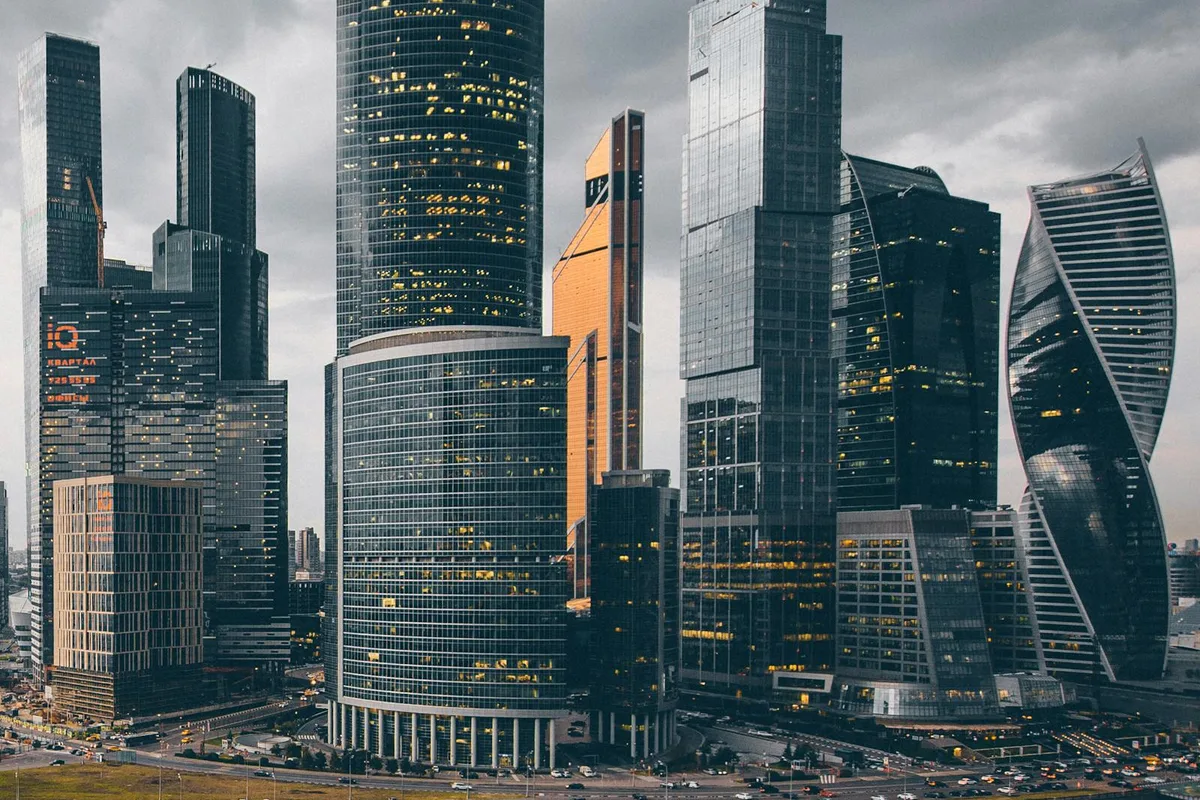
Russia's construction sector has been buoyed by the subsidized mortgage program and government infrastructure investment. New housing construction reached approximately 110 million square meters in 2024, a record. Infrastructure projects — roads, bridges, rail, and the continuing development of new Moscow — sustain demand.
Where the Opportunities Are
- Building materials: The departure of some Western manufacturers has created demand for domestically produced construction materials — insulation, fixtures, finishes, HVAC components, and smart home systems.
- Renovation services: Millions of Soviet-era apartments require modernization. The Moscow renovation program (Renovatsiya) is relocating hundreds of thousands of residents into new buildings, creating demand for interior finishing.
- Green building: Energy-efficient construction is a growing niche, driven by rising energy costs and evolving building codes.
- Infrastructure subcontracting: Large government infrastructure projects create opportunities for specialized subcontractors.
Market Entry
Construction requires higher capital and more regulatory compliance than service businesses. Licensing (SRO membership — self-regulatory organization) is required for many types of construction work. Partnerships with established Russian construction firms can reduce barriers. Moscow real estate market dynamics provide useful context.
Sector 6: Healthcare and Pharmaceuticals
The Landscape
Russia's healthcare sector is undergoing significant transformation, driven by import substitution in pharmaceuticals and medical devices, increased government health spending, and growing private healthcare demand. The pharmaceutical market exceeds 2.5 trillion rubles ($26 billion).
Where the Opportunities Are
- Generic drug manufacturing: Russia is actively promoting domestic production of generic pharmaceuticals, with tax incentives and procurement preferences for locally manufactured drugs.
- Medical devices: Import substitution is creating demand for domestically produced diagnostic equipment, surgical instruments, and consumables.
- Private clinics: Demand for private healthcare services is growing, particularly in dentistry, ophthalmology, reproductive medicine, and diagnostics.
- Telemedicine: Digital health platforms are expanding rapidly, supported by regulatory changes that have legitimized remote consultations.
- Wellness and preventive health: Gyms, nutrition services, and preventive health programs are a growing consumer segment in Moscow and major cities.
A marketplace entry on Wildberries or Ozon can start with as little as 100,000-500,000 rubles ($1,050-5,260) under IP registration — one of the lowest barriers to market access in the Russian economy in 2026.
Sectors to Approach with Caution
Not every sector offers favorable risk-reward dynamics for foreign entrepreneurs:
Defense and Dual-Use
Involvement in defense-related sectors, even tangentially, carries severe sanctions risk and potential legal liability in your home country. Avoid any business activity that could be classified as supporting the Russian military or security apparatus.
Energy (Upstream)
While Russia's energy sector is enormous, upstream oil and gas investment is heavily sanctioned, dominated by state-connected players, and requires massive capital. This is not a sector for individual entrepreneurs.
Media and Content
Media regulation has tightened significantly since 2022. Publishing, broadcasting, and online content creation are subject to increasing oversight, and the regulatory environment for foreign-owned media is particularly restrictive.
Luxury Import/Distribution
Importing and distributing luxury Western brands that have officially exited the Russian market carries both legal risks (violation of brand agreements, parallel import regulations) and reputational risks.
Cryptocurrency Exchange
While cryptocurrency is used widely for transfers, operating a cryptocurrency exchange or trading platform in Russia is a regulatory gray area with rapidly evolving (and potentially restrictive) legislation.
Market Entry Strategies
Start Small, Learn Fast
Russia rewards those who test the market before committing significant capital. Start with a minimal viable operation — a marketplace presence, a consulting practice, a small service business — and scale based on real market feedback.
Partner Locally
A reliable Russian partner or employee who understands the market, speaks the language, and navigates the bureaucracy is not a luxury — it is a necessity. Cultural knowledge and local networks are essential.
Use the Tax System Wisely
Russia's simplified tax system (USN) offers genuine advantages for small businesses. An IT company on USN "Income" pays 6% of revenue — no VAT, minimal accounting, and manageable compliance.
Leverage Government Programs
Government subsidies, grants, and preferential loans are available in priority sectors: IT, agriculture, tourism, manufacturing, and innovation. The SME Corporation (Korporatsiya MSP) provides support including guaranteed loans and market access assistance.
Manage Currency Risk
If your revenue is in rubles but your obligations or savings targets are in foreign currencies, currency management is critical. High ruble interest rates provide partial compensation, but the risk of sudden depreciation is real.
Conclusion
Russia's economy in 2026 is not a uniformly hostile or uniformly welcoming environment for foreign entrepreneurs. It is a market where the right sector, the right approach, and the right local knowledge can yield substantial returns — and where the wrong choices can lead to frustration, financial loss, or regulatory trouble.
The sectors with the strongest fundamentals — IT, agriculture, e-commerce, tourism, and construction — share common characteristics: genuine domestic demand, government support, and gaps created by the departure of Western competitors. The risks are equally clear: currency volatility, regulatory uncertainty, geopolitical exposure, and the inherent challenges of operating in a market that is partially isolated from the global economy.
For those willing to engage with these realities, the opportunities are genuine. The Russian market of 145 million consumers, with growing disposable incomes and evolving tastes, remains one of the largest and most underserved in the world.