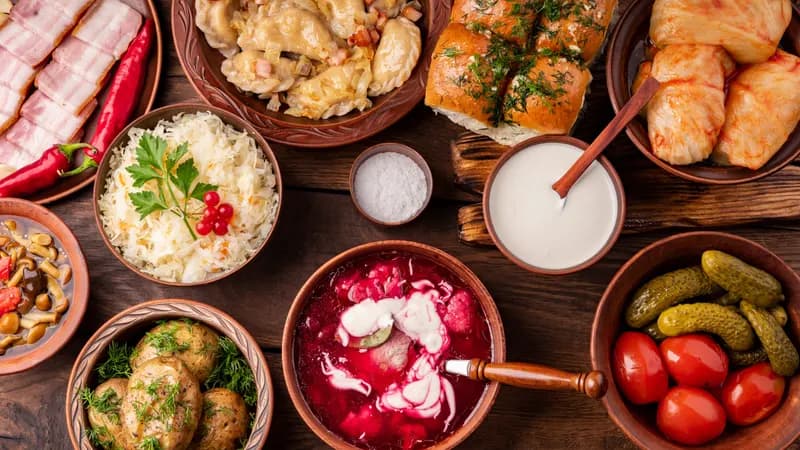
Russian cuisine is frequently misunderstood abroad, reduced to a handful of cliches involving vodka, caviar, and an undifferentiated mass of heavy winter food. The reality is considerably more interesting. Russia spans eleven time zones and encompasses climates from Arctic tundra to subtropical coastline, and its culinary traditions reflect this diversity. Tatar, Georgian, Uzbek, Ukrainian, and Siberian influences interweave with Slavic foundations to produce a cuisine that is robust, seasonal, and, at its best, genuinely sophisticated.
This guide covers the essential dishes, beverages, and regional variations that any visitor or new resident should know. To understand the social rituals around Russian meals — toasting, hospitality, and table etiquette — see our guide to Russian traditions and social codes.
Soups
Soup occupies a central position in Russian cuisine that it has largely lost in Western European cooking. A proper Russian meal begins with soup, and many Russians consider a day without it incomplete.
Borscht
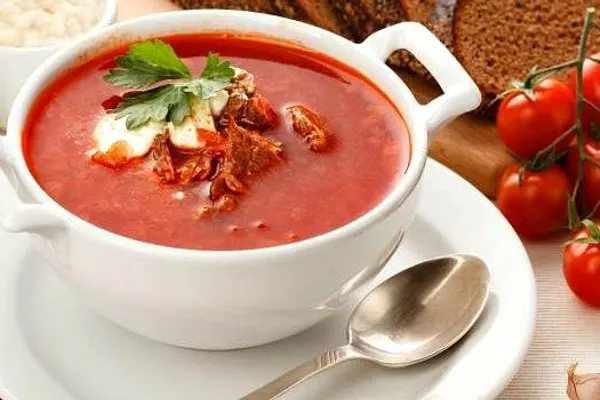
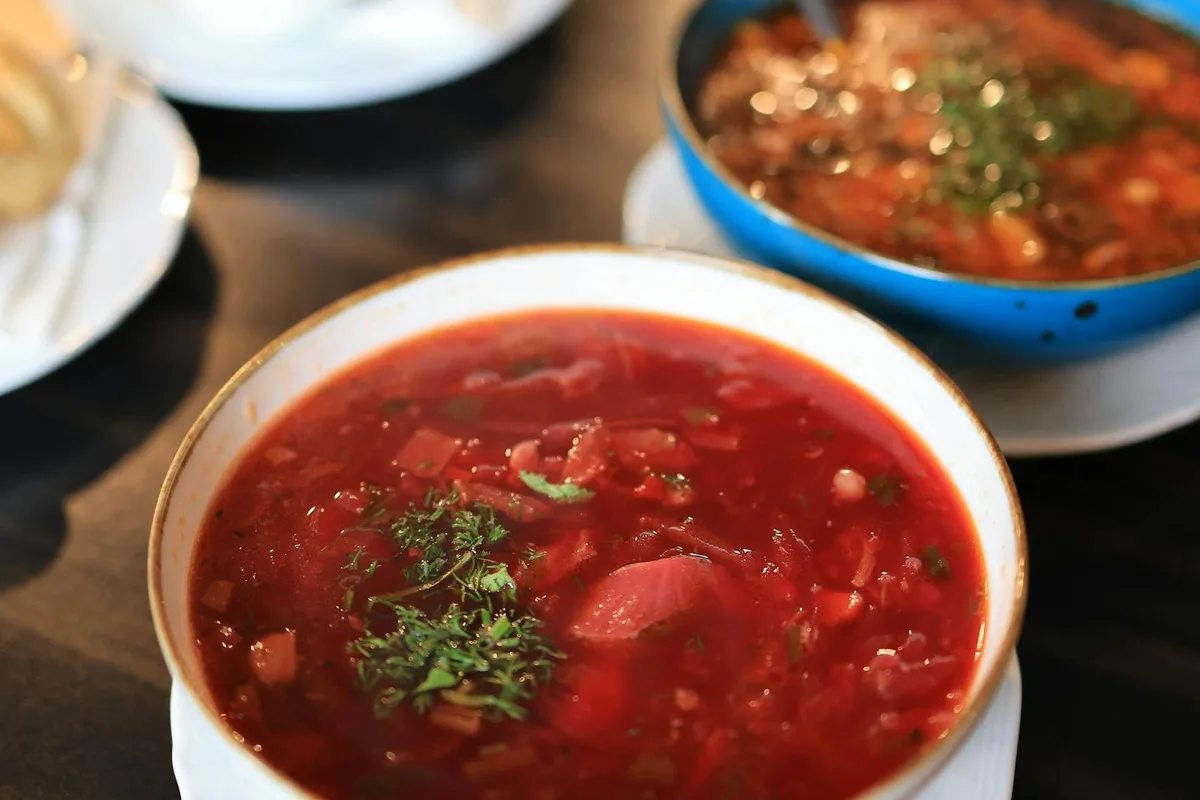
The most famous Russian (and Ukrainian) soup. A beetroot-based broth with cabbage, potatoes, carrots, onions, and meat (usually beef or pork), served hot with a generous spoonful of smetana (sour cream) and fresh dill. The colour ranges from deep crimson to a lighter magenta depending on the cook. Every family has its own recipe, and debates over the correct method are vigorous.
Cold borscht (kholodnik), a summer variation served chilled, is lighter and equally satisfying on a warm day.
Where to try it: Any stolovaya (canteen) will serve a decent version for 150-300 RUB. For a refined interpretation, try Cafe Pushkin in Moscow (800-1,200 RUB) or Teplo in Saint Petersburg. Our guide to eating in Moscow lists the best restaurants by neighborhood and budget.
Shchi
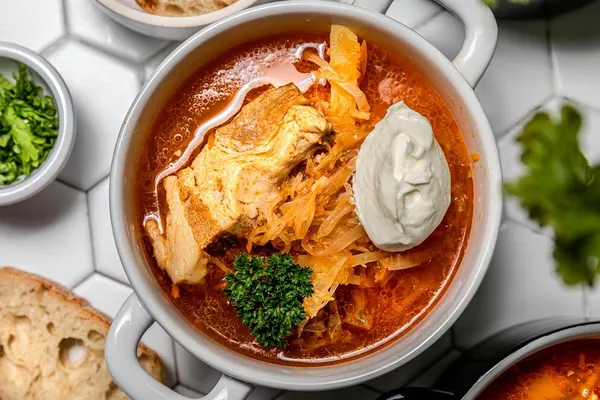
Cabbage soup, often considered the oldest of Russian soups. Made with fresh or sauerkraut cabbage, potatoes, carrots, and meat. Shchi made with sauerkraut (kislye shchi) has a tangy depth that distinguishes it from all other soups. Historically, shchi was the daily soup of the Russian peasantry; today, it appears on menus from stolovayas to fine-dining restaurants.
Solyanka
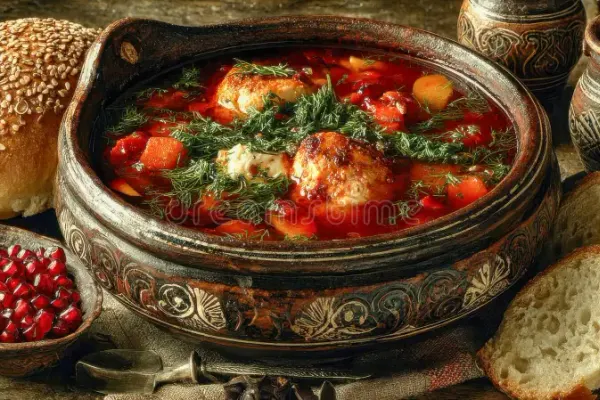
A thick, spicy-sour soup made with a variety of smoked and cured meats (or fish, in the fish version), pickled cucumbers, olives, capers, and tomato paste. Solyanka is intensely flavoured and is particularly popular as a hangover remedy, a function it performs with genuine efficacy.
Ukha
Traditional fish soup, ideally made with freshwater fish (perch, pike, or sturgeon). Ukha is lighter and clearer than Western fish stews, with potatoes, onions, and herbs in a delicate broth. The best ukha is prepared outdoors over an open fire, and Siberian versions using Baikal omul or Volga sturgeon represent the pinnacle of the genre.
Rassolnik
A soup made with pickled cucumbers and their brine, pearl barley, and meat (usually kidney or beef). The brine gives the soup a distinctive sour note. Less well-known internationally than borscht, rassolnik is a comfort food staple across Russia.
The fastest and cheapest way to taste the full Russian soup repertoire is a stolovaya (canteen) — a bowl of borscht, shchi or solyanka costs 150–300 RUB, a fraction of a restaurant's 800+ RUB version, and the recipes are usually closer to what Russians eat at home.
Main Courses
Pelmeni
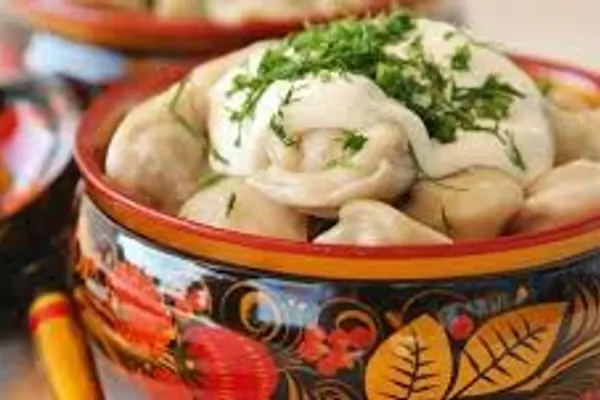
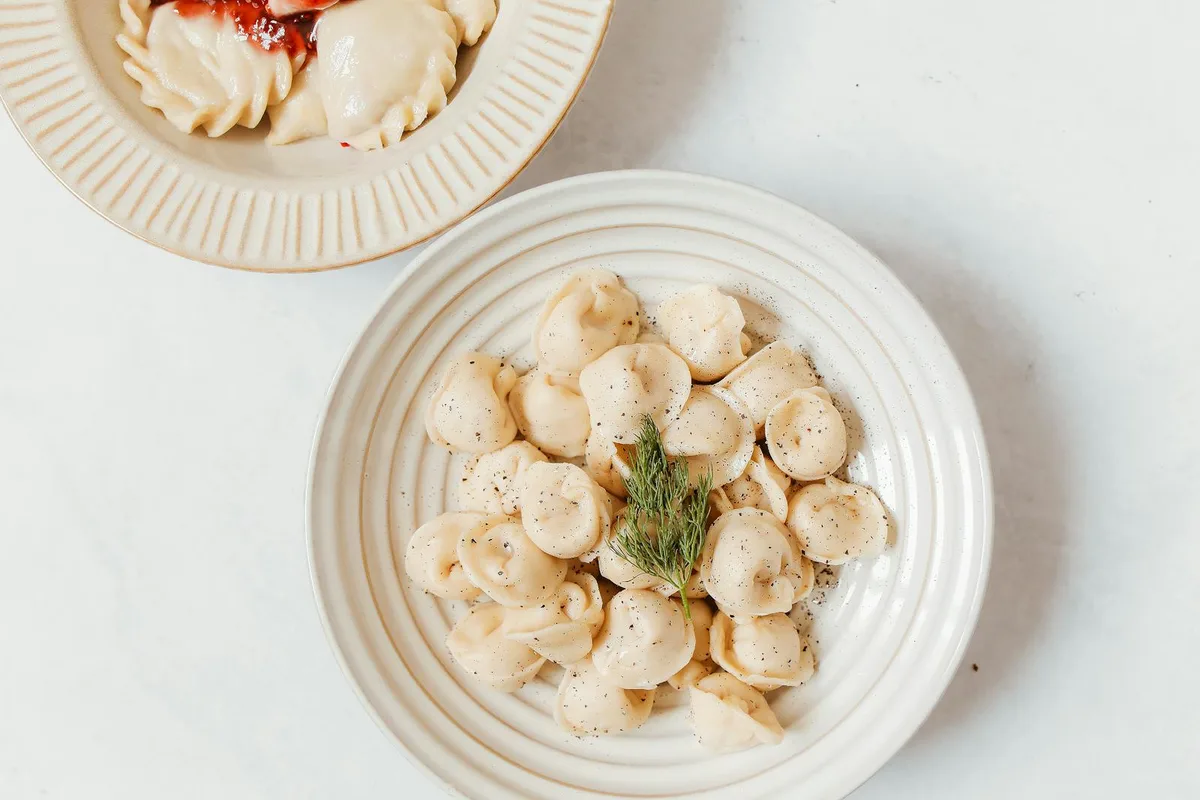
Small dumplings filled with a mixture of minced meat (traditionally a blend of pork, beef, and sometimes lamb), wrapped in thin dough, boiled, and served with sour cream, butter, or vinegar. Pelmeni originated in Siberia and are often described as Russia's answer to Italian tortellini or Chinese jiaozi, though the comparison does them no favours. At their best, pelmeni are extraordinarily satisfying: the thin dough, barely containing the hot, juicy filling, is addictive.
Homemade pelmeni, hand-wrapped by the dozen and frozen for later use, remain a domestic tradition. In restaurants, a portion costs 350-800 RUB. Stolovayas serve them for less.
Blini

Thin, crepe-like pancakes made from wheat or buckwheat flour. Blini are served with an extraordinary range of toppings: smetana, jam, condensed milk, honey, mushrooms, smoked salmon, and, most famously, caviar. Buckwheat blini with red caviar and sour cream represent one of the great Russian food experiences.
Blini are associated with Maslenitsa (Pancake Week), the pre-Lenten festival when they are consumed in vast quantities. The chain Teremok serves blini with various fillings year-round for 200-450 RUB.
Beef Stroganoff
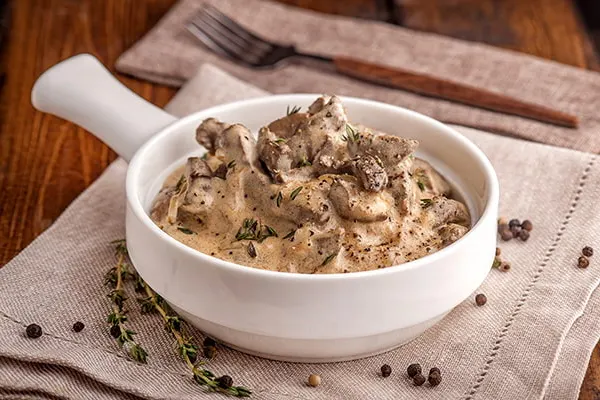
Thin strips of beef in a creamy sauce with mushrooms and onions, typically served with mashed potatoes, rice, or egg noodles. The dish was invented in 19th-century Russia (the precise origin is disputed) and became one of the few Russian dishes to achieve genuine international fame. The version served in Russian restaurants tends to be richer and less sauced than international adaptations.
Kotlety
Russian-style meat patties, made from a mixture of minced pork and beef, bread soaked in milk, onion, and egg. Kotlety are softer and juicier than Western hamburger patties and are typically served with mashed potatoes and a side salad. They are the everyday protein of Russian home cooking and appear on virtually every stolovaya menu. Chicken kotlety (kotlety po-kievski, or chicken Kiev) are the more elaborate variation.
Golubtsy
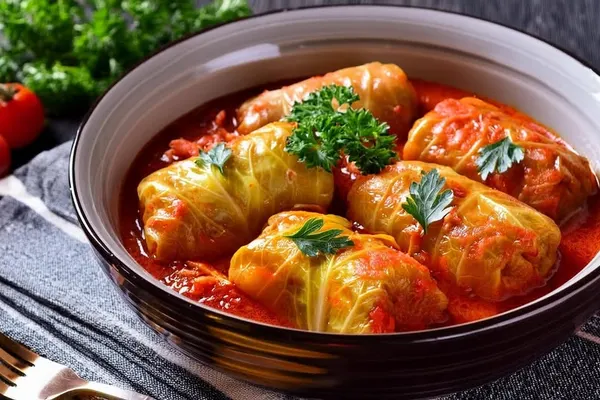
Cabbage rolls stuffed with a mixture of rice and minced meat, baked in tomato sauce. Golubtsy are comforting, unpretentious, and widely available at canteens and home-cooking restaurants.
Pirozhki
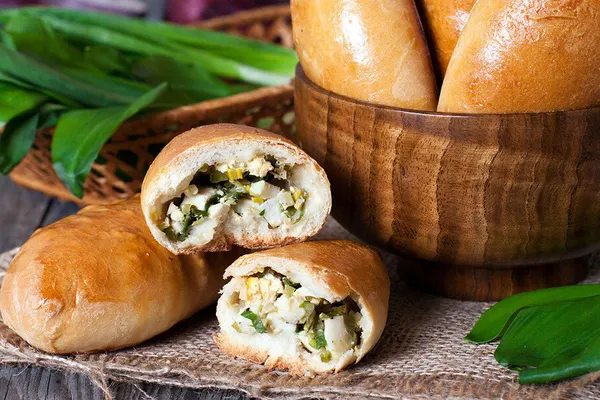
Small filled pastries, either baked or fried, with fillings that range from meat and potatoes to cabbage, egg, and rice, to sweet options like apple or jam. Pirozhki are street food, picnic food, and snack food, sold at bakeries, market stalls, and stolovayas for 50-150 RUB each.
Olivier Salad

The most iconic Russian salad, named after its 19th-century French creator, Lucien Olivier. The modern version contains boiled potatoes, carrots, peas, pickled cucumbers, eggs, chicken or ham, and generous amounts of mayonnaise. Olivier is a fixture of every Russian New Year celebration and is available at virtually every restaurant and canteen year-round. 250-500 RUB.
Beverages
Tea (Chai)

Tea, not vodka, is Russia's national drink. Russians consume tea throughout the day, typically black tea brewed strong and drunk from large cups. Sugar, lemon, and sometimes jam are common additions. The tradition of the samovar (a heated urn for keeping water hot) persists in many households. Tea accompanies every meal and every social interaction.
Vodka
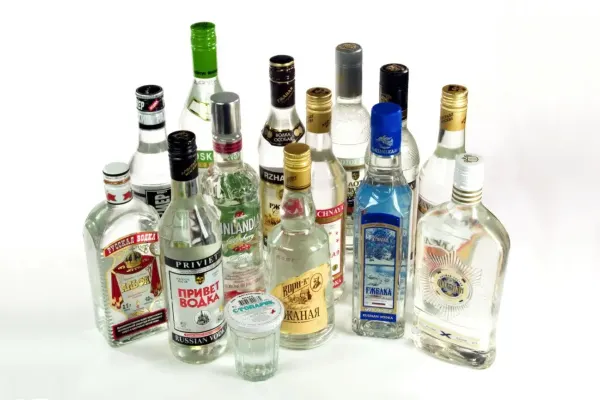
The spirit most associated with Russia globally. Domestic brands like Beluga, Russian Standard, and Moskovskaya are widely available. Vodka is traditionally drunk neat, in small shots, accompanied by zakuski (appetisers: pickles, salted fish, bread, salo). The ritual of toasting is integral to vodka consumption and follows specific social conventions.
Premium Russian vodka costs 500-1,500 RUB per bottle in shops. In restaurants, a 50ml shot ranges from 150 to 500 RUB depending on the venue and brand.
Kvas

A fermented beverage made from black bread, slightly sweet and faintly alcoholic (typically under 1.5% ABV). Kvas is sold in bottles, from street vendors (particularly in summer), and on tap at markets. It is refreshing, inexpensive (50-100 RUB for a glass), and an essential Russian summer experience.
Kompot
A fruit drink made by boiling fresh or dried fruits (apples, berries, cherries, plums) with sugar and water. Kompot is served at virtually every stolovaya and is the default accompaniment to a canteen lunch. It costs next to nothing (30-60 RUB) and provides a welcome alternative to water.
Mors

A cold berry drink, similar to kompot but made specifically from cranberries, lingonberries, or other tart berries. Mors is brighter and more astringent than kompot and is widely available in restaurants and supermarkets.
Sbiten
A hot spiced honey drink, historically consumed in winter as a warming beverage. Sbiten has experienced a revival and is available at some traditional Russian restaurants and market stalls.
Regional Specialties
Siberia
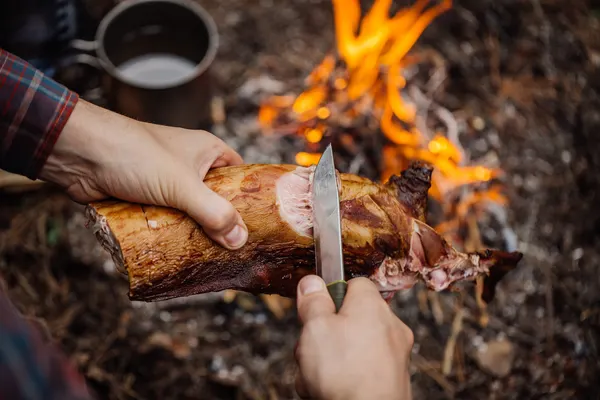
Pelmeni in their original, heartier form. Game meats (venison, elk). Pine nut dishes. Omul from Lake Baikal, prepared smoked, salted, or in ukha. Wild mushrooms and berries from the taiga.
The Caucasus and Southern Russia
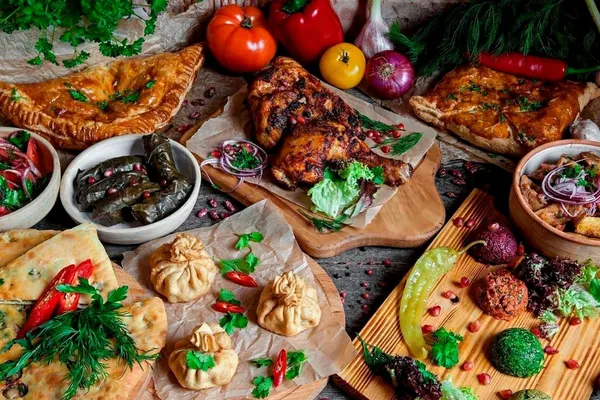
Georgian and Caucasian influences dominate: khachapuri, khinkali, shashlik (grilled meat skewers), adjika (a spicy condiment). The cuisine is spicier, more herbaceous, and more varied than central Russian cooking.
Central Asian Influence
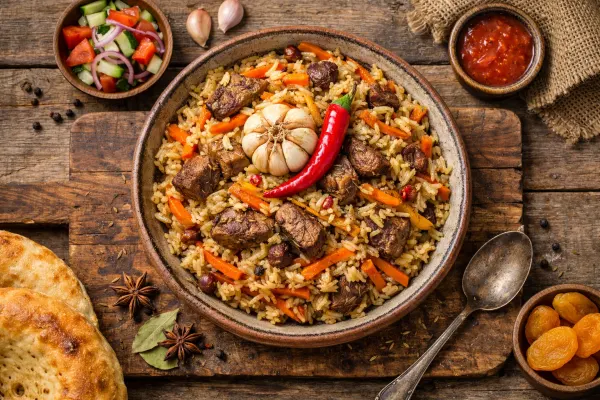
Plov (pilaf), lagman (noodle soup), samsa (meat pastries), and manti (large steamed dumplings). These Uzbek and Kazakh dishes are ubiquitous in Russian cities, particularly in market areas.
The Russian North
Arkhangelsk and Murmansk regions offer fish-centric cuisines: cod, herring, salmon, and various preserved fish preparations. Shanga (open-faced pies with potato or cottage cheese) and kalitki (small Karelian pastries) reflect Finno-Ugric influences.
Tatarstan
Tatar cuisine, centred on Kazan, features echpochmak (triangular meat pies), chak-chak (honey-drenched fried dough, the quintessential Tatar sweet), and various dairy and grain-based dishes that reflect the region's nomadic heritage.
Tea, not vodka, is Russia's national drink — consumed strong, black, and throughout the day. A full stolovaya meal washed down with kompot (30–60 RUB) remains the most honest introduction to everyday Russian eating.
Where to Eat Authentic Russian Food
Stolovayas (Canteens)

The most democratic option. Chains like Mu-Mu, Grabli, and Stolovaya 57 (in GUM) serve the full range of Russian comfort food at prices between 300 and 600 RUB for a complete meal. The food is honest, filling, and representative of everyday Russian cooking.
Traditional Restaurants
Restaurants like Cafe Pushkin and Doctor Zhivago in Moscow, and Podvorye and Russkaya Ryumochnaya No.1 in Saint Petersburg, offer elevated versions of traditional dishes in atmospheric settings. Expect to pay 1,500-4,000 RUB per person for a full meal.
Markets
Food markets like Danilovsky Market and Depo in Moscow offer opportunities to taste regional specialties from across Russia and the former Soviet Union. Prices are moderate (400-800 RUB for a meal), and the variety is unmatched.
Home Cooking
The best Russian food is, candidly, prepared at home. If you receive an invitation to a Russian home for dinner, accept without hesitation. The spread will likely include several types of salad (including Olivier), soup, a main course, pickled vegetables, fresh bread, and copious tea and sweets for dessert. It will also be far more than you can eat, which is precisely the point.
A Note on Portions and Dining Style
Russian portions tend to be generous. A standard restaurant meal follows the sequence of zakuski (cold appetisers and salads), soup, main course, and dessert with tea. Ordering all four courses is not obligatory, but Russians often do so for a proper meal. Bread is served automatically and is usually free.
The pace of a Russian meal is leisurely. Restaurants do not rush diners, and a two-hour lunch or three-hour dinner is normal. This is a feature, not a bug. Russian dining is a social act, and the table is where conversations deepen, toasts are made, and connections are forged.
Russian cuisine deserves more international recognition than it receives. Its soups are among the world's best. Its dumpling traditions rival those of any Asian cuisine. And its relationship to seasons, to preservation, to the transformation of humble ingredients into deeply satisfying food, speaks to a culinary intelligence that predates modern gastronomy by centuries. Eat widely, eat curiously, and bring an appetite.