The Cyrillic alphabet is the first obstacle every Russian learner faces, and it is the easiest to overcome. Despite its unfamiliar appearance, the alphabet has only 33 letters, several of which are immediately recognisable to anyone who reads Latin script. With a focused three-day programme, you can go from complete illiteracy to reading Russian signs, menus, and metro station names.
This is not an exaggeration. The Cyrillic alphabet is a finite, concrete skill, unlike grammar or vocabulary, which expand indefinitely. By the end of day three, you will not understand most of what you read, but you will be able to sound it out. In Russian, where spelling is largely phonetic, this ability alone is enormously useful. Once you have mastered the alphabet, our complete guide to learning Russian maps out the path from beginner to advanced.
The Three Categories
The 33 letters of the Russian alphabet divide naturally into three groups based on their relationship to the Latin alphabet. Learning them in this order, from familiar to foreign, is the most efficient approach.
Group 1: The Familiar Letters
These letters look like Latin letters and make similar sounds. They require minimal effort.
А а — Sounds like "a" in "father." Identical in appearance and sound.
Е е — Sounds like "ye" in "yes" at the start of a word, like "e" in "met" after a consonant. The shape is identical to the Latin "E."
К к — Sounds like "k." Identical.
М м — Sounds like "m." Identical.
О о — Sounds like "o" in "more" when stressed. When unstressed, it reduces to an "a" sound (this is the single most important pronunciation rule in Russian).
Т т — Sounds like "t." Identical.
You already know six letters. These appear in extremely common words: мама (mama, mother), кот (kot, cat), том (tom, volume/tome), атом (atom).
Three additional letters have unfamiliar shapes but straightforward sounds:
У у — Sounds like "oo" in "food." The shape resembles a Latin "y" but the sound is different.
Э э — Sounds like "e" in "set." Used at the beginning of words and after vowels.
И и — Sounds like "ee" in "feet." A common vowel.
That brings you to nine letters you can learn in 15 minutes.
Group 2: The False Friends
These letters are the source of most initial confusion. They look like Latin letters but represent entirely different sounds. Master these and you eliminate 90 percent of reading errors.
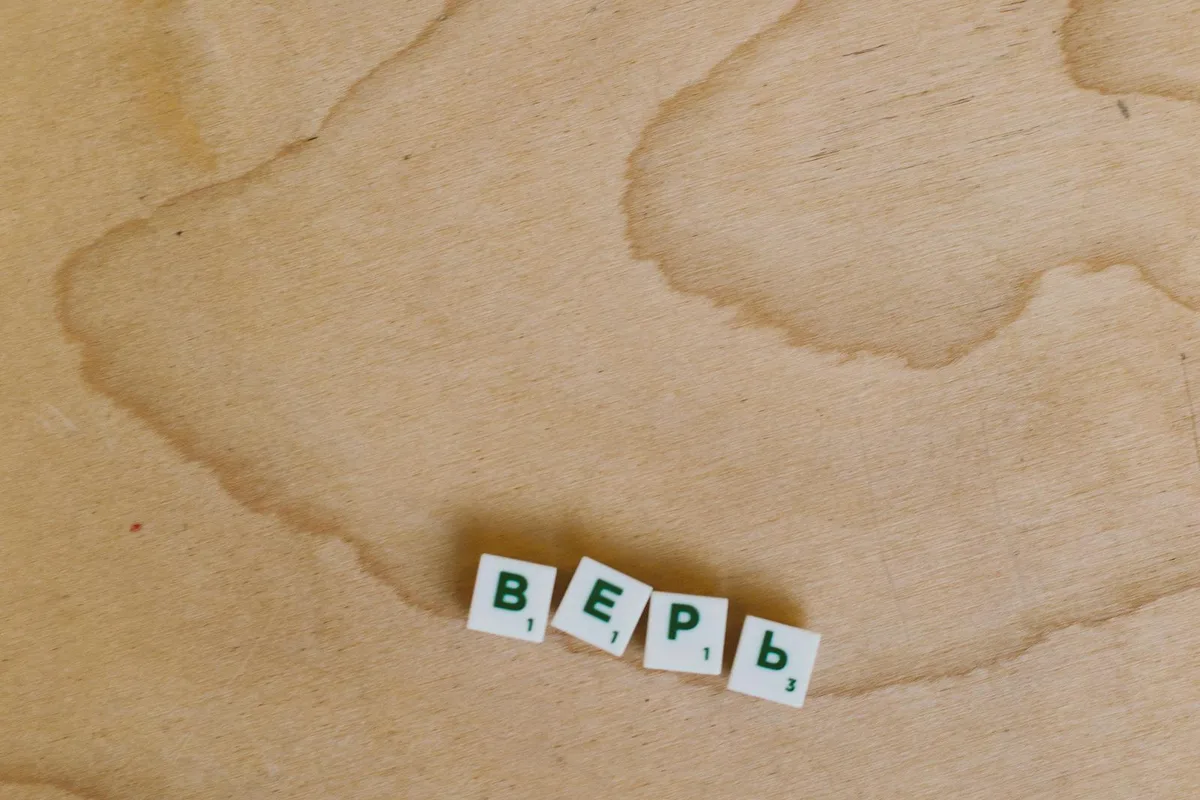
В в — Looks like "B" but sounds like "v" as in "victory." This is one of the most common Russian letters. Вода (voda) means water.
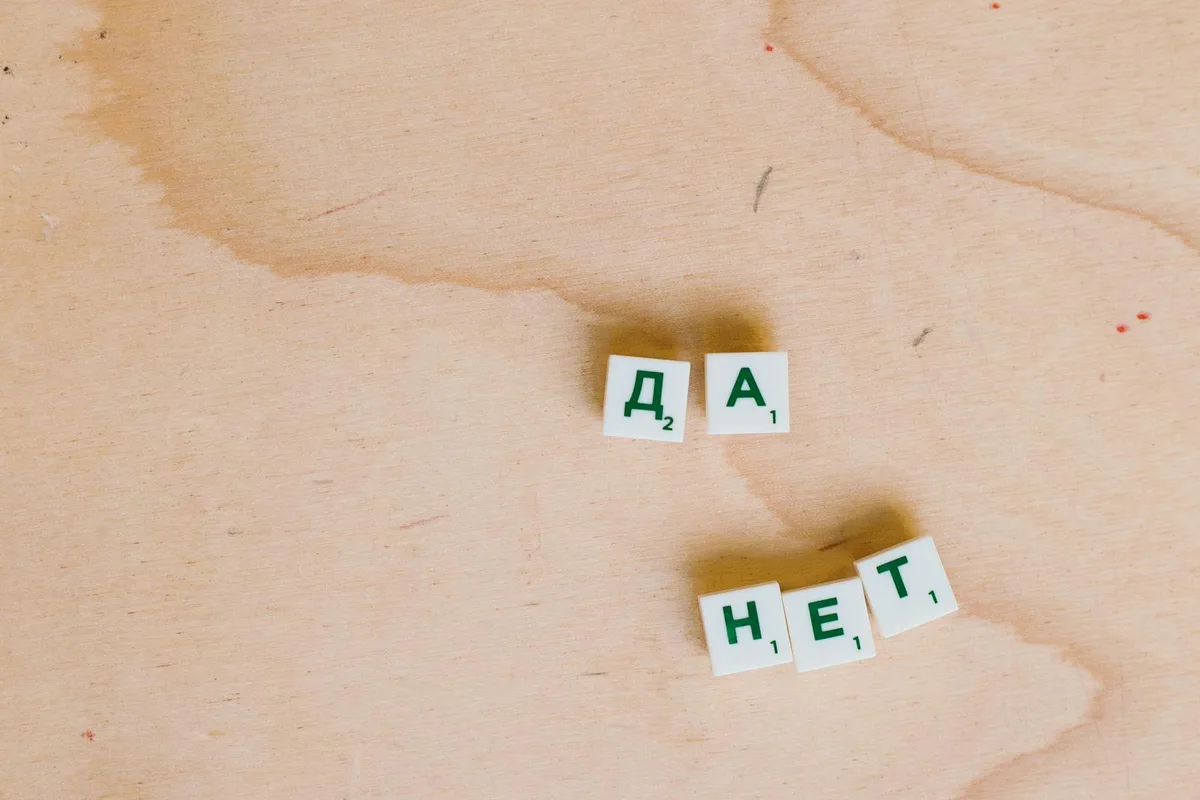
Н н — Looks like "H" but sounds like "n" as in "net." Нет (nyet) means no.
Р р — Looks like "P" but sounds like a rolled "r" (similar to the Spanish "r"). Россия (Rossiya) means Russia. This letter causes the most confusion for beginners.
С с — Looks like "C" but sounds like "s" as in "sun." Совет (sovet) means council/advice.
Х х — Looks like "X" but sounds like "kh," a guttural sound similar to the "ch" in Scottish "loch" or German "Bach." Хорошо (khorosho) means good.
У у — Already covered above, but worth repeating: it looks like "Y" but sounds like "oo."
Ё ё — Looks like "E" with two dots and sounds like "yo" in "yoga." Always stressed. Ёлка (yolka) means Christmas tree.
The critical exercise for this group is unlearning automatic associations. When you see Р, your brain says "P." You must override this to "R." Flashcard drills and handwriting practice are the fastest way to rewire these associations.
The seven false friends (В, Н, Р, С, У, Х, plus Ё) produce roughly 90 percent of beginner reading errors. Drill these specifically, not the full 33-letter set — the familiar letters require no effort, and the new letters are easier because your brain has no competing association to override.
Group 3: New Letters
These letters have no Latin equivalent. They must be learned from scratch, which is actually simpler than overriding false associations.
Б б — Sounds like "b" in "bat." Борщ (borshch) is beet soup.
Г г — Sounds like "g" in "go." Город (gorod) means city.
Д д — Sounds like "d" in "day." The lowercase д can look like a small "g" with a tail. Дом (dom) means house.
Ж ж — Sounds like "zh," the sound in the middle of "pleasure" or "measure." Жизнь (zhizn) means life.
З з — Sounds like "z" in "zoo." Looks somewhat like the number 3. Завтра (zavtra) means tomorrow.
Й й — Called "short i." Sounds like "y" in "boy" (a brief glide). Appears mainly at the end of words. Русский (russkiy) means Russian.
Л л — Sounds like "l" in "lamp." The shape resembles an inverted "V" or a tent. Любовь (lyubov) means love.
П п — Sounds like "p" in "park." Looks like a Greek pi (Π). Привет (privet) means hello.
Ф ф — Sounds like "f" in "fun." Looks like the Greek phi. Фильм (film) means film.
Ц ц — Sounds like "ts" in "cats." Центр (tsentr) means centre.
Ч ч — Sounds like "ch" in "cheese." Looks like a number 4 or an inverted "h." Чай (chay) means tea.
Ш ш — Sounds like "sh" in "ship." Looks like a Latin "W" flipped upside down. Школа (shkola) means school.
Щ щ — Sounds like a long, soft "shch" (like "fresh cheese" said quickly). This is the hardest letter for English speakers to pronounce. Щи (shchi) is a type of cabbage soup.
Ъ ъ — The hard sign. Makes no sound of its own. It separates a prefix from the following vowel, preventing the consonant from being palatalised. Rare and learnable later.
Ы ы — A unique vowel sound with no English equivalent. Approximately the sound you make when someone punches you in the stomach: a retracted "ih." Мы (my) means we. Сыр (syr) means cheese.
Ь ь — The soft sign. Makes no sound of its own but softens (palatalises) the preceding consonant. Мать (mat) means mother. The difference between мат (mat, profanity) and мать (mat, mother) is this single letter.
The Three-Day Programme
Day 1: Learn the Letters (60 to 90 Minutes)
Morning (30 minutes): Study Group 1 (familiar letters) and Group 2 (false friends). Write each letter by hand at least 15 times, saying the sound aloud as you write. Create a flashcard for each letter with the Russian letter on one side and the sound plus an example word on the other.
Afternoon or evening (30 to 60 minutes): Study Group 3 (new letters). Same method: handwriting plus flashcards. Do not try to memorise every letter perfectly. Focus on recognition, the ability to see a letter and recall its sound, even if slowly.
End-of-day test: Write out the entire alphabet from memory, saying each sound aloud. It is acceptable to miss a few. Identify which letters you struggle with and mark them for extra practice tomorrow.
Day 2: Read Simple Words (60 to 90 Minutes)
Morning (30 minutes): Flashcard review of all 33 letters. Focus on letters you struggled with yesterday, particularly false friends (В, Н, Р, С, Х).
Core exercise (30 to 60 minutes): Decode the following common Russian words, sounding them out letter by letter. Do not worry about meaning yet; focus purely on reading.
Level 1 (short, familiar-sounding words): кот, мама, нет, такси, кофе, метро, банк, парк, ресторан, аэропорт
Level 2 (slightly longer words): молоко, хорошо, спасибо, Москва, Россия, студент, проблема, интернет
Level 3 (challenge words): здравствуйте, пожалуйста, до свидания, университет, библиотека
If you can sound out most of Level 1 and Level 2 without checking your flashcards, you are on track. Level 3 words are longer but follow the same phonetic principles.
Evening practice: Change your phone's keyboard to Russian. Type out five words from the exercise list. This builds motor memory for the letter positions and reinforces shape recognition.
Day 3: Read in Context (60 to 90 Minutes)
Morning (20 minutes): Final flashcard review. By now, most letters should feel automatic. Focus remaining effort on any persistent problem letters.
Core exercise (40 to 70 minutes): Read Russian text in a real-world context.
Exercise 1: Open a Russian restaurant's menu online (search for a Moscow or Saint Petersburg restaurant). Read through the menu items, sounding out each word. You will recognise many items: суп (soup), салат (salat/salad), пицца (pitstsa/pizza), паста (pasta), стейк (steyk/steak).
Exercise 2: Open the Moscow Metro map (available at mosmetro.ru). Read station names aloud. Many are based on familiar words or names: Университет, Библиотека, Парк Культуры, Площадь Революции, Арбатская.
Exercise 3: Read a Russian weather forecast (search "погода Москва"). Try to decode temperatures, city names, and basic weather vocabulary.
End-of-day assessment: You should now be able to read any Russian word aloud, even if slowly and with occasional hesitation. You will not understand most of what you read, but you can decode it phonetically. This is the goal.
Common Stumbling Points
The О Reduction Rule
Unstressed О is pronounced like А. The word молоко (milk) is pronounced "malako," not "moloko." The word хорошо (good) is pronounced "kharasho." This is the single most important pronunciation rule in Russian. Listen to native speakers and you will notice it immediately.
Hard and Soft Signs
Ъ and Ь produce no sound of their own, which confuses beginners who expect every letter to make a noise. Think of them as modifiers: the soft sign Ь changes the quality of the preceding consonant (making it palatalised), and the hard sign Ъ prevents palatalisation. You do not need to fully understand palatalisation at this stage; just recognise these signs when you see them and know they modify what comes before.
Ы — The Unfamiliar Vowel
The Ы sound does not exist in English, French, or most Western European languages. The standard advice is to position your tongue as if saying "ee" but pull it back toward the middle of your mouth. This is approximately correct but difficult to achieve without hearing a native speaker. Listen to audio examples (Forvo.com is excellent for this) and practise. The sound appears in very common words: ты (you), мы (we), вы (you, formal), сыр (cheese), рынок (market).
After Day 3: What Comes Next
You can now decode Cyrillic text. This is a permanent skill that will not deteriorate with normal use. From here:
Week 1 to 2: Start learning basic vocabulary using your new reading ability. Anki flashcards with Russian text (not transliteration) reinforce both vocabulary and reading speed.
Week 2 to 4: Begin a structured Russian course (Assimil, Pimsleur, or a textbook) — our review of the best apps for learning Russian will help you choose. Your ability to read Cyrillic means you can skip the alphabet sections and move directly to vocabulary and grammar.
Ongoing: Read Russian text every day, even for just five minutes. Street signs in Russian neighbourhoods, Russian social media posts, menu items at Russian restaurants. Every word you decode reinforces and accelerates your reading speed.
The Cyrillic alphabet is the gateway, not the destination. But passing through it takes only three days of focused effort, and the door it opens does not close again.
Frequently Asked Questions
How long does it take to learn Cyrillic?
Three intense days (2 hours/day) is enough to read most signs. A week for fluent reading. True fluency (reading without parsing letter by letter) takes 3-4 weeks of regular practice.
Which Cyrillic letters are the trickiest?
False twins: В (V), Н (N), Р (R), С (S), У (U), Х (KH). They look like B, H, P, C, Y, X but the sounds are different. This is trap number one for English-speaking beginners.
Is Cyrillic harder than Chinese characters?
Far easier. Cyrillic is a phonetic alphabet with 33 letters mapped to sounds. Chinese requires memorizing about 3,000 characters for fluent reading. Cyrillic is mastered in weeks, not years.
Should I learn cursive Cyrillic handwriting?
Not as a priority. Russian cursive (kursiv) is very different from print and destabilizes many learners. Focus first on print reading — you encounter signs far more often than handwritten notes.
Which apps are recommended to learn Cyrillic?
Drops (free, playful), Anki with a Cyrillic deck (free, SRS method), Duolingo (first lessons free). To go further: RussianPod101 (alphabet section) and Pimsleur (audio + writing).