Travel insurance for Russia in 2026 sits at an awkward intersection of necessity and scarcity. On one hand, insurance is a formal requirement for the standard Russian tourist visa and a strongly advisable precaution for anyone visiting a country where foreign bank cards do not work and medical costs must be paid upfront. On the other hand, the sanctions environment since 2022 has caused most major Western travel insurers to exclude Russia from their coverage, leaving travellers to navigate a thinner and less familiar market.
This guide explains the insurance requirements, identifies providers that still cover Russia, compares the main options, and offers practical advice for securing coverage that actually works if you need it.
Do You Need Travel Insurance for Russia?
For Standard Tourist Visa Holders: Yes, Mandatory
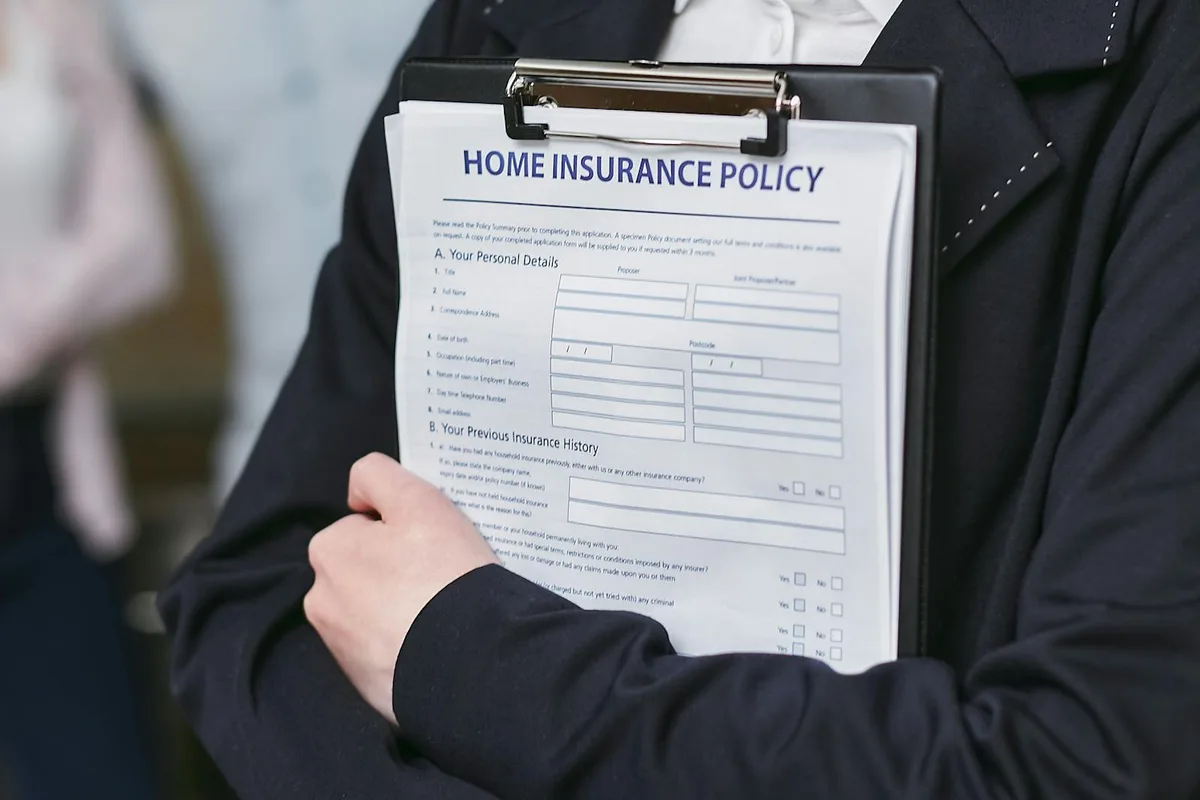
If you are applying for a standard Russian tourist visa (the traditional consular visa), travel insurance is a mandatory requirement. The Russian consulate will not process your visa application without an insurance policy that meets specific criteria:
- Minimum coverage: 30,000 EUR (or equivalent in USD/GBP) for medical expenses and emergency repatriation
- Territory: Must explicitly cover the Russian Federation
- Validity: Must cover the entire duration of your intended stay in Russia
- Accepted insurers: The policy must be issued by an insurer recognised by the Russian consulate in your country — check with your specific consulate for their list
You must submit the original insurance certificate (or a clearly printed PDF) with your visa application. The certificate must state the policy number, coverage amount, validity dates, the insured person's name (matching the passport), and the territory of coverage including Russia.
For the full visa application process, see our standard tourist visa guide.
For E-Visa Holders: Not Required but Strongly Recommended
The Russian e-visa does not require proof of travel insurance as part of the application. However, this does not mean you should travel without it.
Russia's healthcare system provides emergency treatment to foreigners regardless of insurance status, but non-emergency care must be paid for, and costs at private clinics in Moscow and Saint Petersburg are substantial — a consultation with a specialist can cost 3,000-8,000 RUB, a hospital stay 15,000-50,000 RUB per day, and emergency surgery can reach hundreds of thousands of rubles. Medical evacuation from Russia to Western Europe, should it become necessary, costs 30,000-100,000 EUR.
For Expats and Long-Term Residents
If you are living in Russia on a residence or work permit, travel insurance is not the right product — you need a proper health insurance policy. Our healthcare and insurance guide for expats covers this in detail.
The Post-Sanctions Insurance Landscape
The challenge in 2026 is finding an insurer that actually covers Russia. Since 2022, most major Western travel insurance companies have added Russia to their exclusion lists. This includes many household names in the travel insurance market.
Companies that generally DO NOT cover Russia (as of early 2026):
- Allianz Travel Insurance (most European policies)
- AXA Assistance (most policies)
- Zurich Travel Insurance
- Generali Global Assistance
- Most UK-based travel insurers (check your specific policy)
- Most standard credit card travel insurance (automatically excluded)
The exclusion is typically found in the policy's territorial restrictions or sanctions compliance clause. Even if Russia is not explicitly named, policies often exclude countries subject to EU, UK, or US sanctions, which effectively removes Russia.
This means you cannot rely on your existing travel insurance or credit card coverage. You must specifically verify that Russia is included before purchasing.
Verify Russia is explicitly named on the policy certificate — a "worldwide" policy with a sanctions-exclusion clause will be rejected at the consulate and leaves you uncovered on arrival.
Providers That Still Cover Russia
World Nomads
World Nomads is one of the few well-known international travel insurance providers that continues to offer coverage for Russia. Their policies are underwritten by insurers that have not imposed blanket Russia exclusions.
Key details:
- Plans: Standard and Explorer (two tiers)
- Medical coverage: Up to 5,000,000 USD (Standard) or 10,000,000 USD (Explorer)
- Emergency evacuation: Included
- Trip cancellation: Included (Explorer plan)
- Price: Approximately 50-120 USD for a two-week trip, depending on your country of residence and age
- Claim process: Claims can be filed online; reimbursement is in your home currency
Advantages: Well-established company, English-language support, straightforward claims process, policies available to citizens of most countries. Disadvantages: More expensive than pre-2022 options; deductibles can be significant; verify Russia coverage explicitly when purchasing as policies vary by underwriter.
SafetyWing
SafetyWing markets itself as insurance for digital nomads and long-term travellers. Their Nomad Insurance product covers Russia.
Key details:
- Medical coverage: Up to 250,000 USD
- Emergency evacuation: Included
- Price: From 45 USD per 4-week period (varies by age)
- Structure: Subscription-based (renews every 4 weeks) rather than per-trip
- Home country coverage: Limited (some coverage during brief returns)
Advantages: Flexible subscription model, good for longer stays, affordable, no need to specify exact travel dates. Disadvantages: Lower coverage limits than World Nomads; trip cancellation not included; the subscription model may be confusing for short-trip travellers.
Russian Insurance Companies
Russian insurers obviously cover Russia and offer travel insurance products aimed at both Russians travelling abroad and foreigners visiting Russia. Buying from a Russian insurer eliminates the sanctions-related coverage question entirely.
Cherehapa (Черехапа): An online insurance aggregator that compares policies from multiple Russian insurers. The website is available in Russian only, but with a browser translator it is navigable. Policies from 300-1,500 RUB per week (3-15 EUR) depending on coverage level.
Soglasiye (Согласие/Solidarity): A major Russian insurer that offers policies for foreigners visiting Russia. Medical coverage up to 35,000 EUR, including emergency evacuation. Policies can be purchased online or at their offices. Prices start at approximately 500 RUB per week.
Ingosstrakh (Ингосстрах): One of Russia's largest and most reputable insurers. Offers comprehensive travel health insurance with coverage limits up to 100,000 EUR. English-language support available. Policies from 700-2,000 RUB per week.
Advantages of Russian insurers: Much cheaper, no sanctions exclusion issues, direct relationships with Russian hospitals (can often arrange direct billing rather than requiring you to pay and claim), policies specifically designed for the Russian healthcare system.
Disadvantages: Claims process may be in Russian only; reimbursement is in rubles; company reputation and financial stability may be less familiar to you; policies may not be accepted by all Russian consulates for visa applications (check with your consulate).
Combination Approach
Many experienced Russia travellers use a two-policy approach:
- A Western policy (World Nomads or SafetyWing) for emergency evacuation coverage and the security of a Western-standard claims process
- A Russian policy (via Cherehapa) for day-to-day medical coverage with direct hospital billing in Russia
This provides both the high-limit evacuation coverage that Russian policies sometimes lack and the practical in-Russia coverage that Western policies deliver less efficiently.
What Your Policy Should Cover
Essential Coverage
- Emergency medical treatment: Hospitalisation, surgery, doctor visits, ambulance services. Minimum 30,000 EUR for visa requirements, but 100,000+ EUR is advisable.
- Emergency medical evacuation: Transport to the nearest adequate medical facility, including air evacuation if necessary. This is the most expensive potential scenario and the primary reason to have insurance.
- Repatriation: Return of remains to your home country in the event of death. A grim consideration but an important one.
- Emergency dental treatment: For pain relief and immediate treatment only (most policies do not cover routine dental care).
Highly Recommended Coverage
- Trip cancellation/interruption: Reimburses non-refundable costs if you must cancel or cut short your trip due to illness, family emergency, or other covered reasons.
- Lost or delayed baggage: Compensation for delayed, lost, or damaged luggage.
- Personal liability: Coverage if you accidentally cause injury or property damage to others.
- Travel delay: Coverage for additional expenses (accommodation, meals) caused by significant flight delays.
Coverage to Consider
- Existing medical conditions: Most policies exclude pre-existing conditions unless specifically declared and covered (usually for an additional premium).
- Adventure activities: Standard policies may exclude certain activities. If you plan to ski, hike in remote areas, or engage in winter sports, verify coverage.
- COVID-19: Most policies now cover COVID-related medical expenses and trip disruption, but check the specific terms.
Prices Comparison
| Provider | 2-Week Trip | Coverage Limit | Evacuation | Visa-Compatible |
|---|---|---|---|---|
| World Nomads (Standard) | ~70-100 USD | 5M USD | Yes | Usually yes |
| SafetyWing (4 weeks) | ~45 USD | 250K USD | Yes | Check with consulate |
| Cherehapa (Russian) | ~500-1,000 RUB | 35K-100K EUR | Varies | Usually yes |
| Ingosstrakh | ~700-2,000 RUB | Up to 100K EUR | Yes | Yes |
Prices vary by age, country of residence, trip duration, and coverage level. The figures above are indicative for a healthy adult aged 30-50.
The Visa Application Process
If you need the insurance policy for a standard visa application:
- Purchase the policy before submitting your visa application
- Ensure the dates on the policy match or exceed your intended travel dates in Russia
- Verify the coverage amount is at least 30,000 EUR
- Print the policy certificate — most consulates require a physical printout
- Check the certificate includes: your full name (matching passport), policy number, coverage territory (Russia/Russian Federation), validity dates, coverage amount, and the insurer's contact details
- Confirm with your consulate that they accept policies from your chosen insurer — some consulates maintain lists of approved insurers
Common Mistakes
- Dates do not match: Your insurance must cover every day of your visa validity period, not just your planned travel dates. If your visa is valid for 30 days, your insurance must cover 30 days.
- Coverage amount too low: The minimum is 30,000 EUR. Some budget policies offer only 20,000 EUR — this will be rejected.
- Russia not explicitly named: Generic "worldwide" coverage that excludes sanctioned countries will be rejected. The certificate must specifically include Russia.
- Policy purchased after visa application submitted: Some consulates require the insurance certificate at the time of application, not later. Check the requirements.
The most robust setup is a two-policy approach — a Western insurer (World Nomads or SafetyWing) for high-limit evacuation coverage, plus a Russian insurer (Ingosstrakh, Soglasiye) for direct hospital billing in rubles.
Making a Claim in Russia
If you need medical treatment in Russia:
- Contact your insurer's emergency line immediately. All travel insurers operate 24/7 emergency phone lines. The number should be on your insurance card or certificate. Save it in your phone before travelling.
- Follow the insurer's instructions. They may direct you to a specific partner hospital or clinic. Going to a non-partner facility may complicate your claim.
- Keep all documentation. Receipts, medical reports, prescriptions, discharge summaries — keep originals and take photos of everything.
- Pay upfront if required. Western insurers typically require you to pay for treatment and then claim reimbursement. Russian insurers may arrange direct billing with partner hospitals. Have sufficient cash or a Russian bank card available.
- File the claim promptly. Most insurers require claims to be filed within 30-90 days of the incident. Submit all documentation as specified in your policy.
Emergency Numbers in Russia
- Emergency services: 112 (works from any phone, operators may speak English)
- Ambulance: 103
- Police: 102
- Fire: 101
Private ambulance services in Moscow and Saint Petersburg (EMC, Medsi, European Medical Centre) typically cost 15,000-40,000 RUB per call-out but provide faster service and English-speaking paramedics.
Key Takeaways
Travel insurance for Russia in 2026 requires more research than for most destinations, but the core principles are straightforward. For visa holders, it is mandatory (30,000 EUR minimum medical coverage). For e-visa travellers, it is strongly recommended. Most Western insurers no longer cover Russia — World Nomads and SafetyWing are the main exceptions. Russian insurers offer affordable alternatives with the advantage of direct hospital billing. A combination of Western evacuation coverage and Russian local coverage provides the most comprehensive protection. Purchase your policy before applying for your visa, ensure the dates and coverage match the requirements, and save your insurer's emergency number in your phone before departure.