Getting married in Russia as a foreigner: conditions and venue
Getting married in Russia as a foreigner is entirely possible and relatively simple. The civil marriage — the only one recognised by the state — is performed at the ZAGS (отдел ЗАГС), the Russian civil registry office. Any couple may marry there provided both spouses are of age (18), free of any existing marriage and physically present. The foreign nationality of one spouse is no obstacle: ZAGS offices in major cities handle mixed marriages every day.
Two substantive conditions apply: being single (or divorced, or widowed, with supporting proof) and having no close family relationship with your spouse. A religious marriage, notably Orthodox (венчание), has no legal value in Russia: it never replaces the visit to the ZAGS — it is, at most, an addition to it.
only the civil marriage at the ZAGS is recognised by the Russian state. A purely religious marriage has no legal value.
The ZAGS procedure, step by step
The process begins with filing a joint application (заявление), either in person at the ZAGS or online via the Gosuslugi portal. From the date of filing, a waiting period of about one month runs before the ceremony date. This delay, set by the Family Code, can be shortened in certain cases (pregnancy, exceptional circumstances).
The couple then chooses a slot and, if desired, a formal ceremony (торжественная регистрация) at the Wedding Palace — with décor, music and photography — or a simple administrative registration. A modest state fee (госпошлина) is paid. On the day of the ceremony, the marriage certificate (свидетельство о браке) is issued immediately.
| Step | Detail |
|---|---|
| Filing the application | In person or via Gosuslugi |
| Waiting period | About 1 month |
| State fee (госпошлина) | Modest |
| Ceremony | Simple or formal |
| Marriage certificate | Issued the same day |
The documents required for a foreign spouse
This is the most sensitive stage, because it depends on the nationality of the foreign spouse. The ZAGS systematically requires a valid passport with a notarised translation into Russian, proof of legal stay (visa, migration card) and, above all, proof of marital capacity — a document confirming that the person is free to marry under the law of their country.
It is on this last point that procedures diverge by nationality:
- French national: marital capacity goes through the French consulate. The French citizen must have the banns published and obtain a certificate of capacity to marry (CCAM), after a delay of roughly three to five weeks.
- Swiss, Belgian or other national: they apply to their own national civil registry (not to the French consulate) for a certificate of marital capacity or an individual civil-status certificate.
All these foreign documents generally have to be translated and, depending on the case, apostilled before the ZAGS will accept them. To prepare the whole stay, our guide to moving to Moscow details the related formalities.
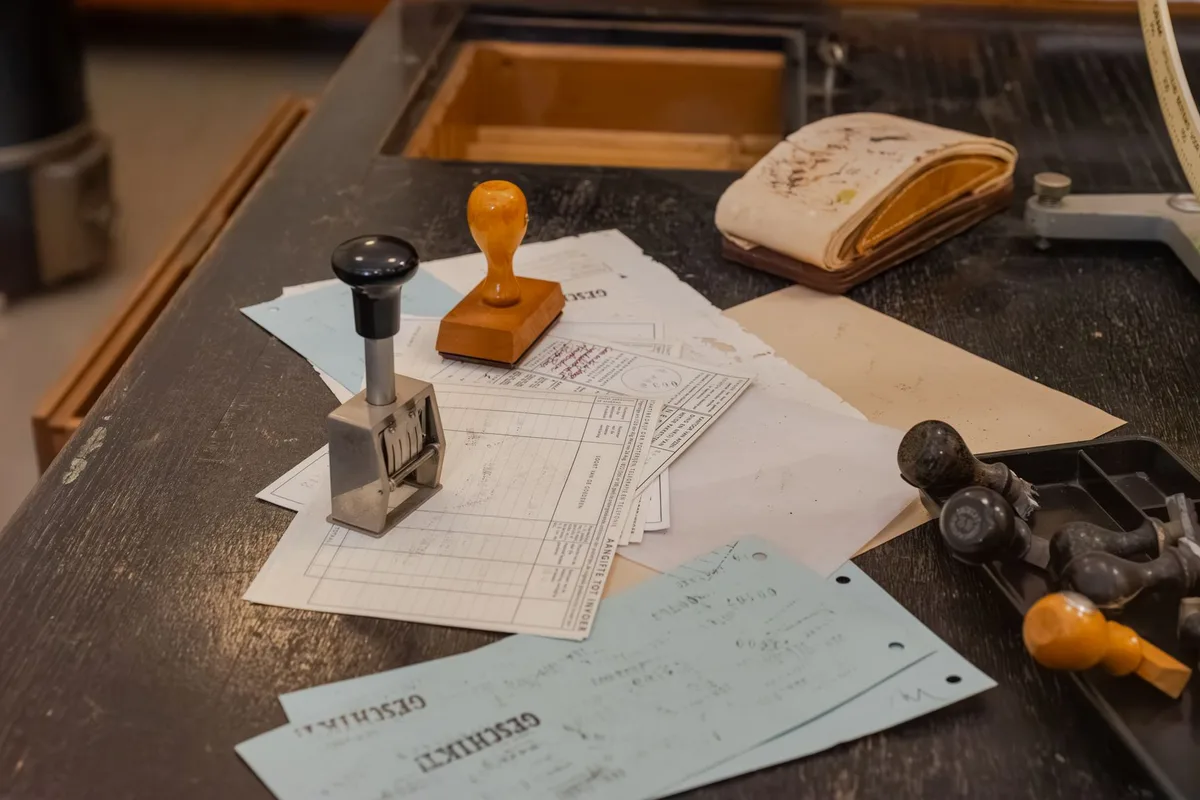
proof of marital capacity depends on your nationality. A French citizen goes through the French consulate (banns + CCAM); other nationalities go through their own civil registry.
The role of the witness: myth and reality
Many people do not realise it: for a civil marriage at the ZAGS, witnesses are neither required nor recorded. It is a legacy of the Soviet era, when they signed the record — but since the 1995 Family Code, they have had no legal function. Inviting a witness remains possible and common, but purely symbolic: their name does not appear on the marriage certificate.
The witness regains a genuine role only in an Orthodox religious marriage (венчание), where they hold the crown above the couple. In that case, some parishes require the witness to be a baptised Orthodox Christian.
Using your Russian marriage abroad: apostille and translation
A marriage performed in Russia is valid worldwide. There is no prior "recognition" procedure to complete: you never remarry in your home country. However, for the Russian certificate to be usable by a foreign administration, it must be authenticated.
The standard chain is as follows: apostille on the original certificate, then a notarised copy, then translation by a sworn translator into the language of the destination country. In Russia, the apostille on civil-status documents is affixed by the regional ЗАГС archives; in Moscow, it is obtained at a "Мои документы" public service centre.
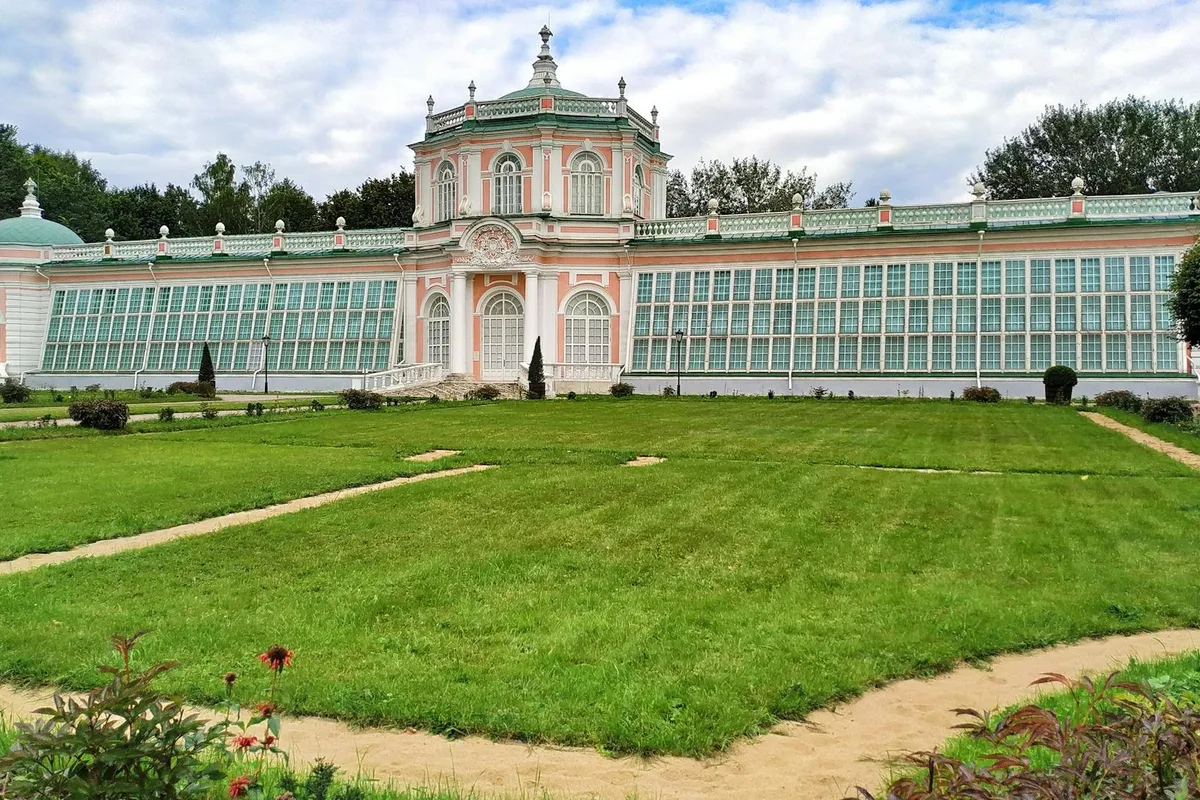
Note: between some countries, bilateral conventions waive the apostille — but not between France and Russia, where the apostille remains mandatory. Always check the exact requirement of the destination country before starting the process.
original certificate → apostille ("Мои документы" centre in Moscow) → notarised copy → sworn translation. No remarriage abroad.
Bringing your spouse to your country
Once married, many couples wish to settle in the foreign spouse's country. The procedure again depends on nationality. For France, two regimes coexist:
- Spouse of a French national: a long-stay "spouse of a French citizen" visa, applied for through the French consular authorities, followed by a residence permit.
- Spouse of an EU, EEA or Swiss citizen: the "family member of an EU/Swiss citizen" regime, more flexible and free of charge, followed by a residence permit applied for online after arrival.
In every case, it is the apostilled and translated Russian marriage certificate that serves as the key document in the file. Our complete guide to living in Russia and our Russian visa guide cover the neighbouring procedures.
The matrimonial property regime of international couples
A final point, often overlooked: the matrimonial property regime. For marriages celebrated since 29 January 2019, international couples fall, on the EU side, under Regulation (EU) 2016/1103. Absent an express choice, the applicable law is that of the first common habitual residence after the marriage.
In practice, a couple settling in France after their Russian marriage will be subject to French law, whose default regime is community of acquisitions (communauté réduite aux acquêts). To adopt a separation of property regime, you need a marriage contract before a notary designating the applicable law and the chosen regime — a deliberate step, possible before or after the marriage, and entirely independent of the ZAGS.
without a marriage contract, a couple settling in France falls under community of acquisitions. Separation of property requires a notarial deed.
Frequently asked questions
Do you need witnesses to marry at the ZAGS?
No. For a Russian civil marriage, witnesses are neither required nor recorded on the certificate. Their role is purely symbolic, except in an Orthodox religious marriage.
Do you have to remarry in your home country?
No. A Russian marriage is valid everywhere. You simply apostille and translate the certificate for it to be recognised abroad; no second marriage is needed.
How long does it take to get married in Russia?
Allow about one month between filing the application at the ZAGS and the ceremony, plus the time needed to obtain the proof of marital capacity specific to your nationality.
Is the apostille mandatory for France?
Yes. There is no waiver of legalisation between France and Russia: the Russian marriage certificate must be apostilled, then translated by a sworn translator.
In summary
Getting married in Russia as a foreigner follows a clear path: file the application at the ZAGS, wait about one month, then hold the ceremony and receive the certificate the same day. Witnesses are optional. The real work lies in the documents — proof of marital capacity according to nationality, apostille and translation of the certificate — and, to settle abroad afterwards, in the spouse's visa and the matrimonial property regime. Anticipated properly, the whole process runs smoothly.