Why Moscow Attracts Expats
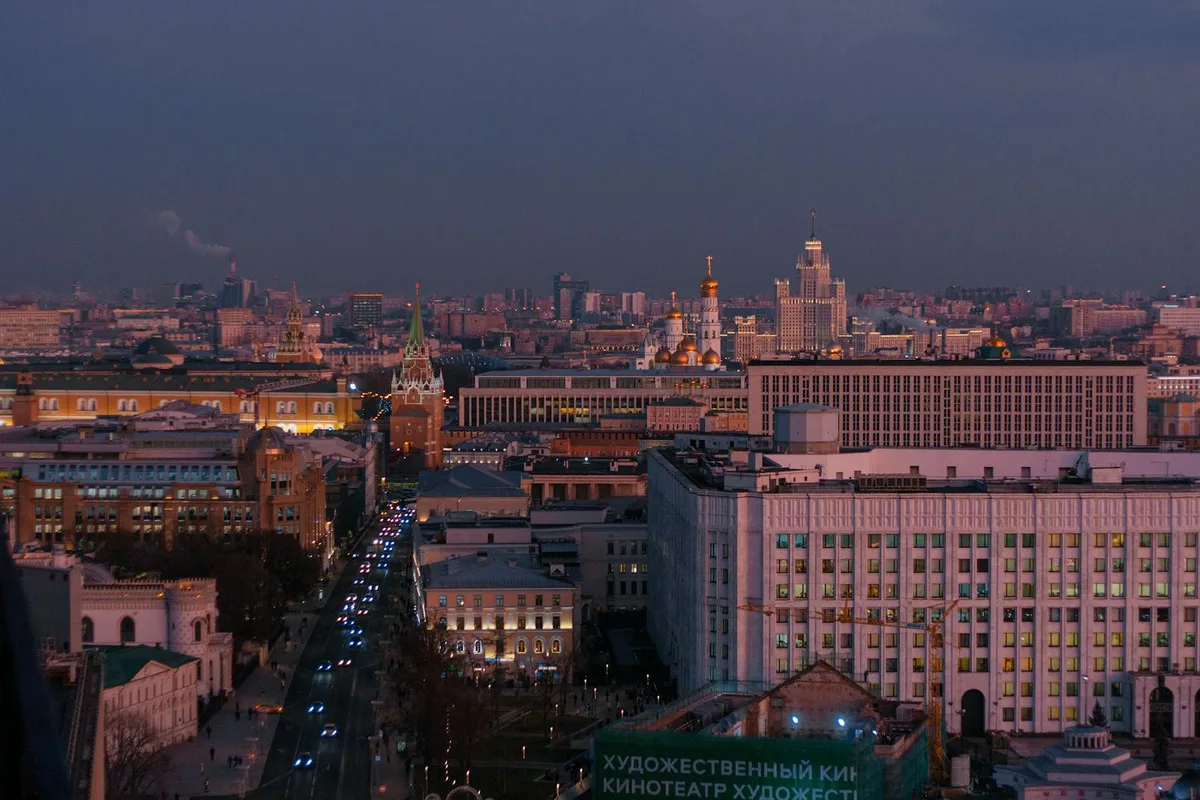
Moscow is a city that operates on a grand scale. With a metropolitan population exceeding 13 million, it is Europe's largest city and the undisputed economic engine of Russia. The capital accounts for roughly a quarter of the country's GDP, and its job market draws professionals from across the globe — in finance, technology, energy, education, and diplomacy. For the bigger picture beyond the capital, see our complete guide to living in Russia.
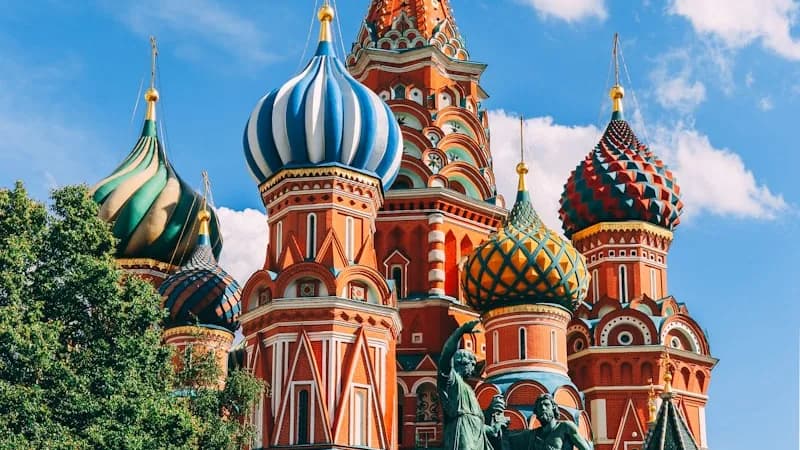
For expatriates, Moscow offers a paradox: a city of immense cultural depth and world-class infrastructure that can also feel overwhelming, opaque, and relentlessly fast-paced. The rewards, however, are substantial. Salaries in Moscow are competitive by regional standards, particularly in the technology and energy sectors. The cost of living, while the highest in Russia, remains significantly lower than London, Paris, or New York for comparable quality of life. The city's cultural scene — from the Bolshoi Theatre to the Garage Museum of Contemporary Art — rivals that of any global capital. And for those willing to learn the language and engage with the culture, Moscow offers a depth of experience that few cities can match.
This guide is designed to walk you through every practical aspect of the move, from visas and registration to finding an apartment, opening a bank account, and navigating daily life.
Administrative Formalities
Work Visa and Work Permit
To work legally in Russia, most foreign nationals require both a work permit and a work visa. The process is typically employer-driven:
- Employer obtains permission to hire foreign workers. Russian companies must secure a quota allocation from the Ministry of Labor, though certain categories of workers (highly qualified specialists, or HQS) are exempt from quotas.
- Work permit application. The employer submits a work permit application on your behalf to the Main Directorate for Migration Affairs (GUDM). Required documents include your passport, educational credentials (apostilled and translated into Russian), a medical certificate, and photographs.
- Work visa issuance. Once the work permit is approved, you apply for a work visa at the Russian consulate in your home country. The initial visa is typically valid for 90 days, after which it is extended in Russia for the duration of the work permit (up to three years for HQS).
- Highly Qualified Specialist (HQS) status. If your annual salary exceeds approximately 2.67 million RUB (roughly $27,000 at current exchange rates), you may qualify as an HQS. This category offers significant advantages: a simplified application process, exemption from quotas, a three-year work permit, and the ability to bring dependents on accompanying visas.
Registration (Миграционный учёт)
Every foreign national in Russia must register at their place of stay within seven business days of arrival (or of moving to a new address). If you live in a hotel or serviced apartment, the establishment handles this. If you rent a private apartment, your landlord is legally required to submit the registration notification to the local migration office or post office.
This is not optional. Failure to register can result in fines and complications with visa renewals.
Migration registration is the single most consequential deadline of your first week. You have seven business days from arrival, and the fine for non-compliance falls on you — 2,000 to 7,000 RUB plus potential entry-ban complications. Never rent from a landlord who refuses to handle it.
TIN (ИНН) and SNILS
For employment purposes, you will need a Russian Tax Identification Number (ИНН, or INN) and a social insurance number (СНИЛС, or SNILS). Your employer's HR department will typically assist with obtaining these, but they can also be applied for at the local tax office and Pension Fund office respectively.
Finding Housing in Moscow
Overview of the Market
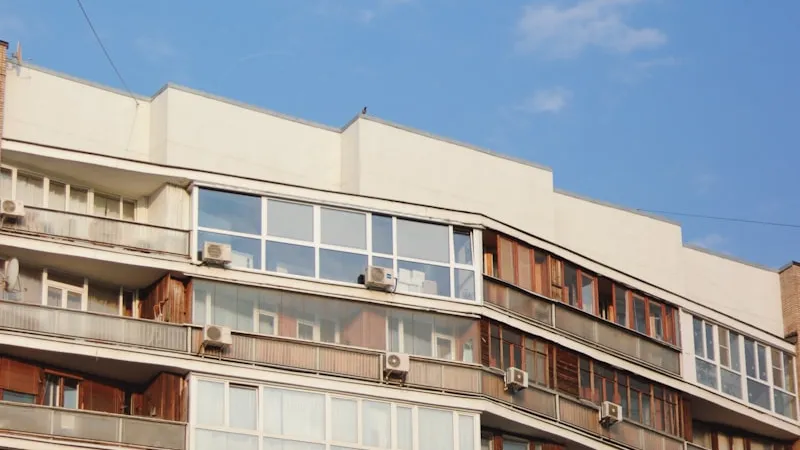
Moscow's rental market is large, liquid, and fast-moving. Apartments in desirable central neighborhoods are snapped up quickly, and the search process requires both preparation and decisiveness.
Our detailed housing guide for Moscow covers prices, pitfalls, and the rental process in depth. Expect to pay between 60,000 and 120,000 RUB per month ($600–$1,200) for a one-bedroom apartment in a decent central location. Larger apartments, premium renovations, or addresses in the most sought-after neighborhoods can run to 200,000 RUB ($2,000) or more. Further from the center, prices drop significantly: a one-bedroom near a metro station in a residential district might cost 35,000–55,000 RUB ($350–$550).
Recommended Neighborhoods for Expats
- Patriarshiye Prudy (Патриаршие пруды): A fashionable central neighborhood with leafy streets, upscale restaurants, and a lively atmosphere. Popular with young professionals and well-heeled expats. Expect premium rents.
- Khamovniki (Хамовники): A prestigious area near the Moscow River, home to several embassies and international schools. Excellent infrastructure, parks, and cultural institutions. A strong choice for families.
- Arbat / Kropotkinskaya: Historic neighborhoods with a mix of old Moscow charm and modern amenities. Well-connected by metro and close to the city center.
- Tverskaya: Moscow's main street and the surrounding area offer maximum convenience and nightlife, but noise levels and crowds may be a drawback.
- Frunzenskaya / Park Kultury: Quieter, green neighborhoods along the Moscow River with good transport links. Increasingly popular with expats seeking a balance between central location and livability.
How to Search
- Online platforms: CIAN.ru is the dominant Russian property portal. Avito.ru also has extensive listings. Both are primarily in Russian.
- Real estate agencies: For expats unfamiliar with the market, an English-speaking agent can be invaluable. Agencies such as Intermark, Savills Moscow, and Penny Lane Realty specialize in serving the international community.
- Expat groups and social media: Facebook groups such as "Expats in Moscow" and Telegram channels for expat housing are useful for leads and advice.
Rental Process
A typical rental transaction involves:
- Viewing the apartment (often arranged at short notice).
- Negotiating the terms — rent, deposit (usually one month's rent), and any included utilities.
- Signing a rental contract (договор аренды). Insist on a written contract, even if the landlord suggests otherwise. Have it reviewed by someone who reads Russian, or use a bilingual version.
- Paying the first month's rent and deposit. Payments are usually made in rubles by bank transfer.
- Registering at the apartment (see above).
Banking and healthcare
Opening a Bank Account
Opening a Russian bank account as a foreigner is straightforward, though some banks are more accommodating than others.
What You Need
- Passport with valid visa and registration
- Migration card
- Russian phone number
- INN (tax identification number) — helpful but not always required for opening a basic account
Recommended Banks
- Sberbank (Сбербанк): Russia's largest bank, with the most extensive branch and ATM network. Its mobile app is well-developed, though the interface is primarily in Russian.
- Tinkoff (Тинькофф): A fully digital bank with no physical branches. Accounts can be opened online or via courier delivery of the debit card. The app has an English-language option and is widely regarded as the most user-friendly for expats.
- Alfa-Bank (Альфа-Банк): A major private bank with a strong mobile app and English-speaking staff in central Moscow branches.
Practical Notes
- Russian banking apps are sophisticated. Contactless payments, instant transfers (via phone number), and in-app bill payments are standard.
- International money transfers from Russian banks face certain restrictions depending on the geopolitical environment. Discuss your specific situation with the bank before opening an account.
- Keep a small amount of cash on hand. While card payments are accepted almost everywhere in Moscow, some older shops, markets, and transport kiosks still prefer cash.
Healthcare System and Insurance
Public Healthcare
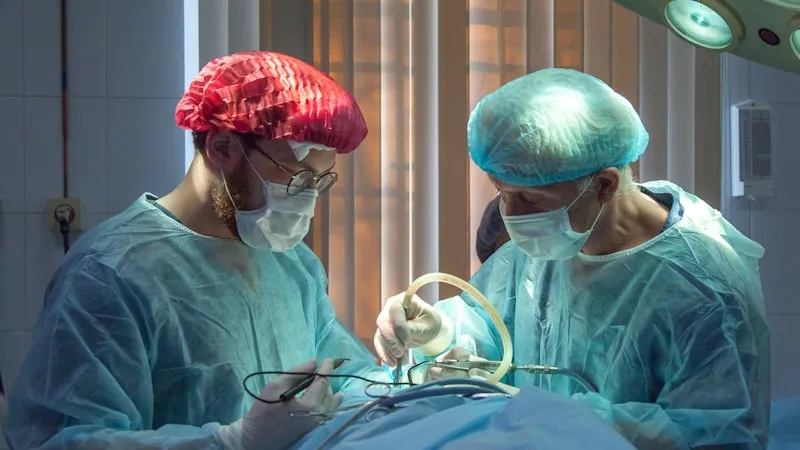
Russia has a universal public healthcare system funded through mandatory insurance contributions (ОМС, or OMS). As a legally employed foreign national, you are entitled to a compulsory medical insurance policy, which provides access to public clinics and hospitals at no direct cost.
In practice, the quality of public healthcare in Moscow varies. Major city hospitals have been substantially modernized, but language barriers, long wait times, and bureaucratic processes can be challenging for expats.
Private Healthcare
Most expatriates in Moscow use private clinics, which offer English-speaking doctors, shorter wait times, and a standard of care closer to what Westerners expect. For a full breakdown of clinics and insurance options, see our healthcare and insurance guide for expats. Leading private providers include:
- European Medical Center (EMC): Widely considered the top international clinic in Moscow, with departments covering virtually all specialties. Expensive without insurance.
- GMS Clinic: Modern facilities with multilingual staff. Strong general practice and pediatrics.
- Medsi (Медси): A large private chain with clinics across the city. Good value for money.
Insurance
If your employer does not provide private health insurance (ДМС, or DMS — voluntary medical insurance), purchasing a policy independently is strongly recommended. Annual premiums for comprehensive private coverage in Moscow range from 40,000 to 150,000 RUB ($400–$1,500) depending on the provider and coverage level. Policies from international insurers (Cigna, Allianz, Bupa) are also an option, particularly for those who travel frequently.
Pharmacies
Pharmacies (аптеки) are plentiful in Moscow and stock a wide range of medications, many of which are available without prescription. However, some medications common in Western countries may be unavailable or sold under different names. Bring a supply of any essential prescription medications with you, along with a doctor's letter.
Getting Around Moscow
The Metro
The Moscow Metro is the city's lifeline and one of the most efficient urban transit systems in the world. With over 250 stations across 15 lines, it covers virtually every part of the city. Trains run from approximately 5:30 AM to 1:00 AM, with intervals of 90 seconds during peak hours.
A single ride costs 50 RUB (approximately $0.50). For a comprehensive overview of all transport options, see our Moscow transport guide. The most practical option is a Troika card — a rechargeable transit card that works on the metro, buses, trams, and commuter trains. Load it at any metro station kiosk or via the Moscow Metro app.
The metro stations themselves are justly famous. Many were built in the Soviet era as "palaces for the people," with marble columns, mosaics, chandeliers, and bronze sculptures. Riding the metro is both a practical necessity and a genuine cultural experience.
Buses, Trams, and the MCC
Moscow's surface transit network has been overhauled in recent years. Modern buses and trams serve routes across the city, and the Moscow Central Circle (MCC) and Moscow Central Diameters (MCD) provide overground rail connections that complement the metro.
Taxis
Ride-hailing apps dominate the taxi market. Yandex Go is the most widely used, offering affordable rides, food delivery, and other services. The app is available in English. Typical fares within central Moscow range from 200 to 500 RUB ($2–$5).
Never hail an unmarked car from the street. Always use the app.
Driving
Moscow is notorious for traffic congestion. If you must drive, an international driving permit is valid for the first 60 days, after which you should obtain a Russian license (which requires passing theory and practical exams, or exchanging your existing license if your country has a bilateral agreement with Russia).
For most expats, a combination of metro and ride-hailing is far more practical than owning a car.
Daily Life in Moscow
Shopping and Groceries
Moscow offers everything from luxury shopping malls (GUM, TSUM, Afimall) to neighborhood supermarkets and bustling markets. Major grocery chains include Perekrestok, Azbuka Vkusa (an upmarket chain popular with expats), Pyaterochka (budget-friendly), and Vkusvill (health-oriented). Online grocery delivery via Yandex Lavka, Samokat, or Sbermarket is fast and affordable, with deliveries often arriving within 15 minutes in central areas.
Language
Russian is the language of daily life. While English proficiency has improved among younger Muscovites, particularly in the hospitality and tech sectors, it is not widely spoken in shops, government offices, or by taxi drivers. Learning Russian — even at a basic conversational level — will dramatically improve your daily experience. Our complete guide to learning Russian outlines the best strategies for every level.
Language schools catering to expats include the Moscow International Academy, Denis' School, and Liden & Denz. Private tutors are widely available and affordable, with rates typically ranging from 1,500 to 3,000 RUB ($15–$30) per hour.
Translation apps (Yandex Translate works well for Russian) and the Google Translate camera feature are invaluable tools in the early months.
Climate
Moscow has a continental climate with pronounced seasons. Winters are long and cold: temperatures regularly drop to -15°C to -20°C (5°F to -4°F) between December and February, with short days and heavy snowfall. Invest in a quality winter coat, insulated boots, and thermal layers.
Summers are warm and pleasant, with temperatures ranging from 20°C to 30°C (68°F to 86°F) and long daylight hours. June and early September are particularly agreeable.
The transitional seasons — spring (late March through May) and autumn (September through November) — feature highly variable weather. Layered clothing and waterproof outerwear are essential.
Cultural Life
Moscow's cultural calendar is extraordinarily rich. The Bolshoi Theatre, Tretyakov Gallery, Pushkin Museum, and dozens of smaller venues offer world-class performances and exhibitions year-round. Tickets to the Bolshoi can be booked online and range from 500 RUB for a balcony seat to 15,000 RUB or more for premium positions.
The city's restaurant scene has blossomed into one of Europe's most dynamic, with options ranging from traditional Russian cuisine to experimental fine dining. Notable areas for dining out include Patriarshiye Prudy, Kitay-Gorod, and Krasny Oktyabr.
Expat Communities in Moscow
Despite geopolitical shifts, Moscow retains a sizable and active international community. Key resources include:
- InterNations Moscow: The largest expat networking platform, with regular events and a forum for practical questions.
- Moscow Expat Life (Facebook/Telegram): Active groups for sharing advice, organizing meet-ups, and selling household items.
- American, British, and other national communities: Organizations such as the American Chamber of Commerce (AmCham Russia), the British Business Club, and various national cultural centers host events and provide networking opportunities.
- International schools: Families with children will find a range of international schools, including the Anglo-American School of Moscow, the British International School, and the French Lycée Alexandre Dumas. Enrollment should be arranged well in advance.
- Religious communities: Moscow has active communities for major faiths, including English-language services at several churches and synagogues.
Building a social network takes effort in any foreign city, but Moscow's expat community is welcoming and well-organized. Attending regular meet-ups and joining community groups early in your stay will make the transition considerably smoother.
Estimated Monthly Budget
The following estimates are based on a single expat living in a one-bedroom apartment in a reasonably central Moscow neighborhood (as of early 2026). Costs are given in both Russian rubles and approximate USD equivalents.
| Category | Monthly Cost (RUB) | Monthly Cost (USD) |
|---|---|---|
| Rent (1-bedroom, central) | 80,000–120,000 | $800–$1,200 |
| Utilities (electricity, heating, water, internet) | 6,000–10,000 | $60–$100 |
| Groceries | 25,000–40,000 | $250–$400 |
| Dining out (moderate) | 15,000–30,000 | $150–$300 |
| Transportation (metro + occasional taxi) | 4,000–8,000 | $40–$80 |
| Mobile phone | 500–1,500 | $5–$15 |
| Health insurance (private, monthly equivalent) | 5,000–12,000 | $50–$120 |
| Gym / fitness | 3,000–8,000 | $30–$80 |
| Entertainment and culture | 5,000–15,000 | $50–$150 |
| Total | 143,500–244,500 | $1,435–$2,445 |
These figures assume a comfortable but not lavish lifestyle. Costs can be reduced significantly by living further from the center, cooking at home, and using public transport exclusively. Conversely, premium housing, frequent dining out, and international school fees can push the monthly budget well above $4,000.
A realistic single-expat budget in a central one-bedroom lands at $1,400-$2,400 per month — roughly half the equivalent in London or Paris for comparable quality of life. The biggest compressible line items are rent (move one ring out) and dining (home cooking is cheap in Moscow); international schools are the biggest uncompressible cost for families.
Final Thoughts
Moving to Moscow is not a decision to take lightly, but it is one that can be immensely rewarding. The city demands energy, adaptability, and a willingness to engage with its complexities — bureaucratic, linguistic, and cultural. In return, it offers an experience unlike any other: a metropolis where imperial history and cutting-edge modernity exist side by side, where cultural riches are matched by professional opportunity, and where daily life, once navigated, has a rhythm and depth that many expats find deeply compelling.
Prepare thoroughly, stay patient with the administrative hurdles, learn at least some Russian, and approach the city with curiosity rather than preconceptions. Moscow will reward you for it.
Frequently Asked Questions
How many French and English speakers live in Moscow in 2026?
Between 3,000 and 5,000 French nationals are registered with the consulate. The English-speaking expat community has shrunk since 2022 but remains active around international companies, language schools and binational families.
Do I need to speak Russian to settle in Moscow?
Not strictly to start if you work for a multinational, but without basics every rental, bank, medical or administrative step requires a Russian-speaking intermediary. Aim for the Cyrillic alphabet plus 200-300 everyday words before arrival.
What monthly budget should a single expat plan for in Moscow?
Between 1,765 EUR and 3,530 EUR depending on neighborhood and comfort level. Rent eats 50-60 percent of the budget in central districts. At a Paris budget, you live comfortably in Moscow.
Is migration registration mandatory if I stay with a friend?
Yes, no exceptions. Every foreigner must be registered within 7 working days of arrival. Hotels do it automatically; in a rental or at a friend's place, the Russian owner or host must complete the formality at the MFC or migration office.
Can I open a bank account without an internal Russian passport?
Yes. Sberbank, T-Bank (formerly Tinkoff), Alfa-Bank and VTB accept expats with a foreign passport, valid visa, migration stamp and a previously obtained INN tax ID. T-Bank is the fastest in 2026 — account opened in 30 to 60 minutes.