Moscow's Real Estate Market in 2026
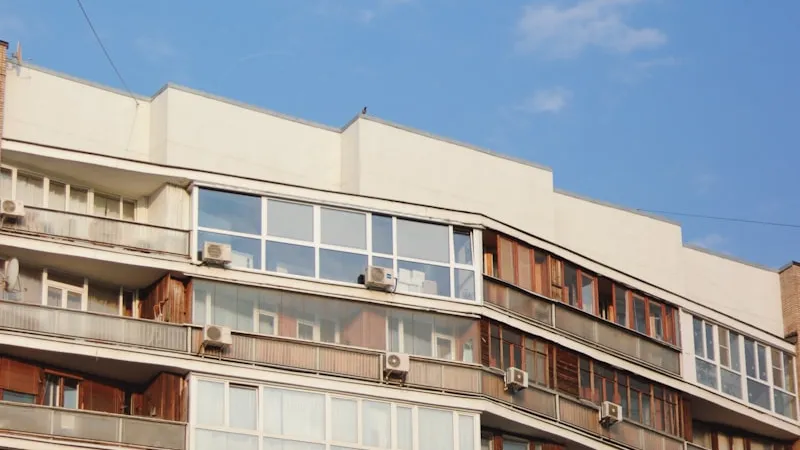
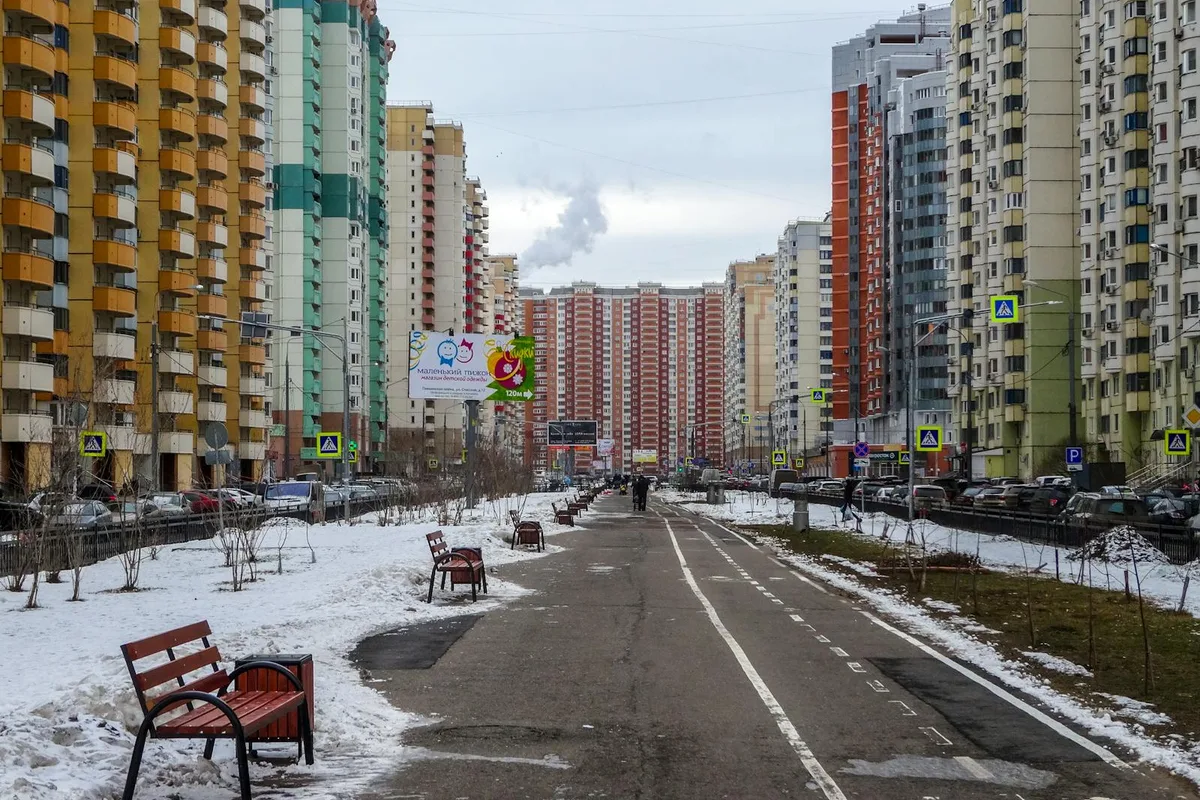
Moscow's rental market is one of the largest and most active in Europe. The city's sheer size — stretching well beyond the MKAD ring road that defines its formal boundaries — means that the range of available housing is enormous, from Soviet-era panel blocks on the outskirts to sleek, newly built apartment towers in the center. Housing is one piece of the wider picture covered in our complete guide to living in Russia.
If you are still in the planning stages, our complete guide to moving to Moscow covers visas, banking, and daily life alongside housing. For expatriates arriving in Moscow, the housing search is often the most immediate and consequential challenge. The market moves quickly: desirable apartments in central neighborhoods may receive multiple inquiries within hours of being listed. Understanding the market, knowing where to look, and being prepared to act decisively are essential.
Several trends define the 2026 market. New construction continues at a remarkable pace, with modern residential complexes offering high-quality finishes, concierge services, and underground parking. At the same time, the renovation of older buildings — particularly the Khrushchyovka-era five-story blocks targeted by Moscow's ambitious renovation program — is reshaping entire neighborhoods. Rental prices, after a period of volatility, have stabilized in ruble terms, though exchange rate fluctuations mean that dollar-equivalent costs vary.
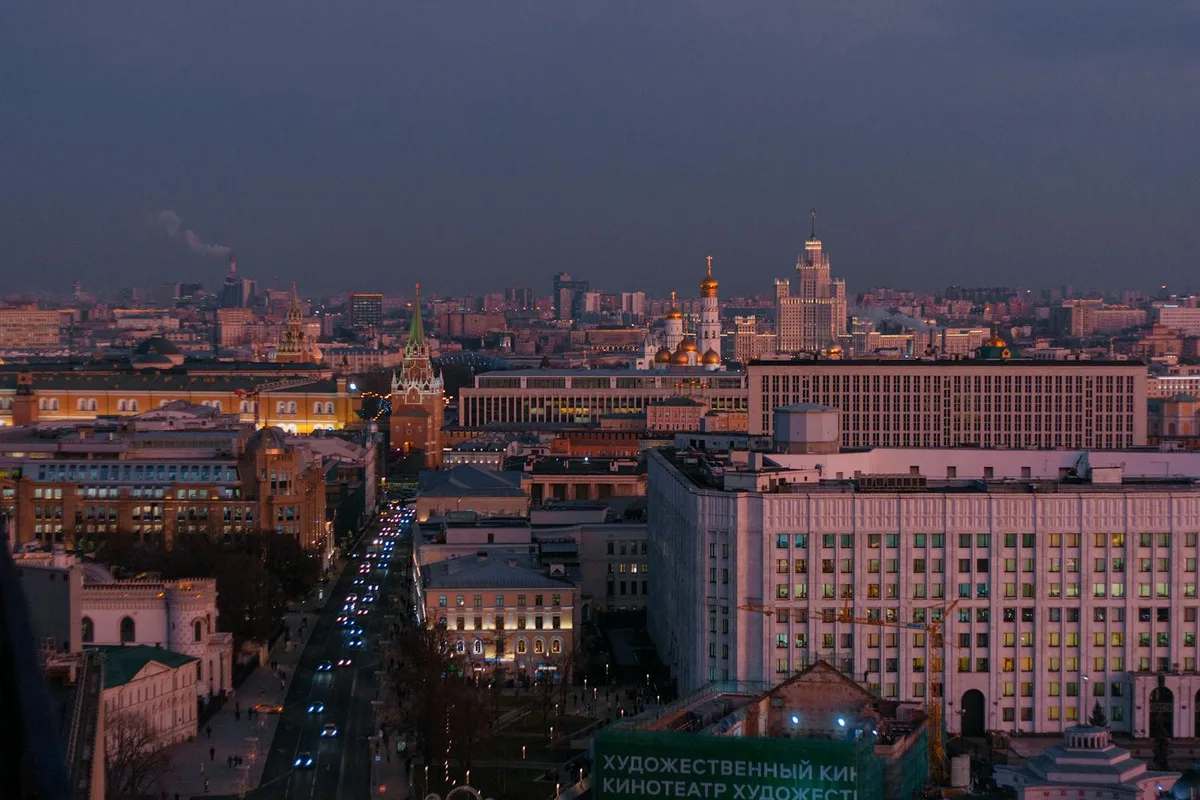
The city is broadly divided into concentric zones: the Boulevard Ring and Garden Ring mark the historic center; the area between the Garden Ring and the Third Transport Ring encompasses established residential districts; and the neighborhoods beyond, out to the MKAD and into the suburbs, offer more space at lower cost.
Rental Prices by Neighborhood
The following price ranges reflect monthly rents for furnished apartments in reasonable condition, based on listings from CIAN.ru and agency data as of early 2026. Prices are given in Russian rubles with approximate USD equivalents at a rate of roughly 100 RUB to $1.
Inside the Boulevard Ring (Historic Center)
This is the heart of Moscow — the Kremlin, Red Square, the Bolshoi Theatre, and the oldest streets in the city.
| Apartment Type | Monthly Rent (RUB) | Monthly Rent (USD) |
|---|---|---|
| Studio / 1-bedroom | 80,000–150,000 | $800–$1,500 |
| 2-bedroom | 120,000–250,000 | $1,200–$2,500 |
| 3-bedroom | 180,000–400,000+ | $1,800–$4,000+ |
Apartments here are often in historic buildings with high ceilings and character, but they may also have older plumbing, noisy courtyards, and limited parking. New-build premium apartments in this zone command the highest rents in the city.
Between the Boulevard Ring and Garden Ring
This zone includes some of Moscow's most desirable residential neighborhoods: Patriarshiye Prudy, Chistye Prudy, and parts of the Arbat district.
| Apartment Type | Monthly Rent (RUB) | Monthly Rent (USD) |
|---|---|---|
| Studio / 1-bedroom | 65,000–120,000 | $650–$1,200 |
| 2-bedroom | 100,000–200,000 | $1,000–$2,000 |
| 3-bedroom | 150,000–300,000 | $1,500–$3,000 |
This area offers the best combination of central location, walkability, and neighborhood character. It is the most popular zone among expats with mid-to-high budgets.
Between the Garden Ring and Third Transport Ring
Neighborhoods here include Khamovniki, Presnya, Taganka, Zamoskvorechye, and parts of Begovaya. Many of these areas have excellent metro access, green spaces, and a more residential character than the inner center.
| Apartment Type | Monthly Rent (RUB) | Monthly Rent (USD) |
|---|---|---|
| Studio / 1-bedroom | 50,000–90,000 | $500–$900 |
| 2-bedroom | 80,000–150,000 | $800–$1,500 |
| 3-bedroom | 120,000–220,000 | $1,200–$2,200 |
This zone represents strong value. Many modern residential complexes have been built here in recent years, offering contemporary finishes and amenities at lower prices than the historic center.
Beyond the Third Transport Ring (Outer Moscow)
Districts such as Fili, Prospekt Vernadskogo, Konkovo, Strogino, and Butovo are farther from the center but well-connected by metro. These areas are popular with families and those seeking more space.
| Apartment Type | Monthly Rent (RUB) | Monthly Rent (USD) |
|---|---|---|
| Studio / 1-bedroom | 30,000–55,000 | $300–$550 |
| 2-bedroom | 45,000–85,000 | $450–$850 |
| 3-bedroom | 65,000–130,000 | $650–$1,300 |
Apartments in these areas tend to be larger, newer, and quieter. The trade-off is a longer commute — though with Moscow's expanding metro network, many outer neighborhoods are now within 30–40 minutes of the center.
Budget two months' rent upfront (first month + one-month security deposit) and a third if you use an agency — their fee is almost always one additional month, paid by the tenant. On a 90,000 RUB one-bedroom in Patriarshiye, that is roughly 270,000 RUB in rubles before you sleep your first night.
Best Neighborhoods for Expats
Patriarshiye Prudy (Патриаршие пруды)
The neighborhood made famous by Bulgakov's "The Master and Margarita" is now one of Moscow's trendiest addresses. Centered around the picturesque Patriarch's Ponds, it is filled with boutique cafes, upscale restaurants (Pinch, Tehnikum, Saxon + Parole), wine bars, and concept stores. The streets are quiet and leafy by Moscow standards, and the area has an intimate, almost village-like feel despite being minutes from the Kremlin.
Pros: Walkable, vibrant social scene, architecturally beautiful, central. Cons: Expensive, limited parking, some apartments in older buildings with inconsistent quality. Typical rent (1-bedroom): 80,000–130,000 RUB ($800–$1,300).
Khamovniki (Хамовники)
A prestigious residential district along the Moscow River, Khamovniki is home to several embassies, Gorky Park, the Novodevichy Convent, and the Luzhniki Stadium. It attracts families with its excellent schools (including international options), green spaces, and relatively quiet streets.
Pros: Family-friendly, green, prestigious, good international infrastructure. Cons: Premium rents, some areas feel quiet at night. Typical rent (1-bedroom): 70,000–110,000 RUB ($700–$1,100).
Arbat / Kropotkinskaya
The Arbat district, centered on the pedestrianized Old Arbat Street and the more residential side streets nearby, offers a blend of history and convenience. Kropotkinskaya, just to the south, is one of Moscow's most elegant metro stations and sits at the edge of the Cathedral of Christ the Saviour precinct.
Pros: Historic atmosphere, walkable, excellent metro connections, close to cultural landmarks. Cons: Tourist crowds on Old Arbat, some older housing stock. Typical rent (1-bedroom): 65,000–110,000 RUB ($650–$1,100).
Tverskaya / Pushkinskaya
Moscow's main artery and the surrounding streets form the city's commercial heart. Living on or near Tverskaya means maximum convenience — shops, restaurants, cinemas, and metro stations are all within walking distance.
Pros: Supremely central, excellent nightlife and dining, well-connected. Cons: Noisy, busy, less residential character, higher rents. Typical rent (1-bedroom): 75,000–130,000 RUB ($750–$1,300).
Zamoskvorechye (Замоскворечье)
Literally "beyond the Moscow River," this district south of the Kremlin has undergone a renaissance. The Tretyakov Gallery, the Red October cultural cluster, and the Strelka Institute are all here. It has a bohemian, artistic character and is increasingly popular with creative professionals and younger expats.
Pros: Cultural energy, riverside walks, interesting architecture, growing restaurant scene. Cons: Limited metro coverage in some parts, uneven street quality. Typical rent (1-bedroom): 60,000–100,000 RUB ($600–$1,000).
Frunzenskaya / Park Kultury
These adjacent neighborhoods along the Moscow River offer green, quiet residential streets with excellent metro access. Frunzenskaya embankment is a popular walking and jogging route, and Gorky Park is within easy reach.
Pros: Green, quiet, good transport, strong neighborhood feel. Cons: Fewer restaurants and shops than trendier areas. Typical rent (1-bedroom): 60,000–95,000 RUB ($600–$950).
How to Find Housing
Online Platforms
- CIAN.ru — The dominant Russian property portal. Listings are overwhelmingly in Russian, but the interface is navigable with translation tools. Filters allow you to search by district, price range, number of rooms, and proximity to metro stations.
- Avito.ru — Russia's largest classifieds site. The housing section is extensive, but listings from private landlords may lack professional photographs. Exercise caution regarding scams.
- Yandex Realty (Яндекс Недвижимость) — A growing platform with a clean interface and map-based search.
Real Estate Agencies
For expats, particularly those arriving without strong Russian-language skills, working with an agency that caters to the international community is highly recommended. Reputable firms include:
- Intermark Relocation — Specializes in expat relocations, offering property search, lease negotiation, registration assistance, and settling-in services.
- Penny Lane Realty — A well-established Moscow agency with an English-speaking team and a strong portfolio of premium properties.
- Savills Moscow — The Moscow office of the international firm, focused on the upper end of the market.
Agency fees are typically equivalent to one month's rent, paid by the tenant. Some employers cover this cost as part of a relocation package.
Expat Groups and Networks
Facebook and Telegram groups for Moscow expats frequently feature housing listings, sublets, and recommendations. These can be particularly useful for short-term stays or flatshares.
The Rental Process
Viewing
Apartments are typically shown by the landlord, their representative, or the agency. Viewings are often arranged at short notice — sometimes the same day. Be prepared to make a decision quickly if you find a suitable place, as competition for good apartments is fierce.
Negotiation
Rents are usually negotiable, particularly for longer lease terms. A commitment of 12 months or more may secure a reduction of 5–10%. Discuss whether utilities are included in the rent (they usually are not) and clarify responsibility for minor repairs.
The Lease Contract (Договор Аренды)
Russian rental contracts are relatively straightforward but should be read carefully. Key elements include:
- Duration: Typically 11 months (to avoid mandatory state registration of leases exceeding one year) or 12 months with automatic renewal.
- Deposit: Usually one month's rent, returned at the end of the lease minus any deductions for damage.
- Payment terms: Monthly, in advance, by bank transfer. Some landlords still prefer cash, but electronic payment is increasingly standard.
- Inventory: An inventory of furnishings and their condition should be attached to the contract.
- Early termination: Most contracts require 30 days' written notice. Clarify any penalties for early departure.
Have the contract reviewed by a Russian-speaking advisor or a bilingual lawyer if you are unsure about any terms.
Deposit and First Payment
Upon signing, you will typically pay the first month's rent and the security deposit simultaneously — effectively two months' rent upfront. Ensure you receive a signed receipt (расписка) for all payments.
Pitfalls to Avoid
Scams and Fraud
- Too-good-to-be-true listings: If an apartment is significantly cheaper than comparable listings in the same area, proceed with extreme caution. Some fraudulent listings use photographs of other properties.
- Upfront payments before viewing: Never transfer money before viewing an apartment in person. Legitimate landlords and agencies do not require deposits before a viewing.
- Fake agents: Verify that any agency you work with has a physical office and verifiable online presence. Check reviews on Russian platforms such as Yandex Maps.
Legal and Practical Issues
- Unregistered landlords: Some landlords prefer informal arrangements to avoid tax obligations. While this may seem convenient, it leaves you without legal protection. Insist on a written contract.
- Registration refusal: Your landlord is legally obligated to assist with your migration registration. If a landlord refuses to register you, look elsewhere — the legal consequences of non-registration fall on you.
- Renovation surprises: "Евроремонт" (Euro-renovation) is a term used loosely in Russian real estate. Inspect apartments carefully. Check water pressure, heating, electrical outlets, window seals, and appliance condition.
- Noise: Moscow is a noisy city. Apartments facing major roads, bars, or construction sites can be unpleasantly loud. Visit at different times of day if possible.
Utility Payments
In most rentals, tenants pay utilities separately. Monthly utility costs for a one-bedroom apartment typically include:
- Electricity: 1,500–3,000 RUB ($15–$30)
- Heating and hot water (communal): 2,000–4,000 RUB ($20–$40) — billed through the management company
- Internet: 500–1,000 RUB ($5–$10)
- Cold water and sewage: 500–1,000 RUB ($5–$10)
Your landlord or management company will provide details on payment methods. Many utilities can be paid through banking apps.
Your landlord is legally required to file your migration registration within seven business days of move-in. A landlord who refuses is a non-starter — the fine falls on you, not on them, and a missing registration blocks visa extensions, bank accounts, and SIM cards. Walk away from the lease.
Flatsharing and Alternatives
Flatsharing
Flatsharing is less common in Moscow than in cities like London or Berlin, but it exists and is growing, particularly among younger professionals and students. Platforms for finding flatshares include:
- The Locals (thelocals.ru) — A curated flatsharing platform popular with expats and young professionals.
- Telegram groups — Several active channels cater to flatshare seekers in Moscow.
- CIAN and Avito — Both list rooms in shared apartments.
Expect to pay 25,000–50,000 RUB ($250–$500) per month for a room in a shared apartment in a central location.
Serviced Apartments
For those arriving in Moscow without a long-term housing arrangement, serviced apartments offer a practical interim solution. They come furnished, with utilities and internet included, and typically require no long-term commitment. Monthly rates range from 100,000 to 250,000 RUB ($1,000–$2,500) in central areas.
Short-Term Rentals
Platforms such as Sutochno.ru (the Russian equivalent of Airbnb) and some listings on Avito offer furnished apartments for short stays. These are useful for the initial apartment-hunting period but are more expensive on a per-night basis than long-term rentals.
Conclusion
Finding the right apartment in Moscow requires preparation, patience, and a willingness to move quickly when opportunity arises. Start your search before you arrive if possible, use reputable platforms and agencies, and do not compromise on a written lease contract and proper registration. The city's housing stock is vast and varied — with the right approach, you will find a home that suits your needs, budget, and lifestyle. For a deeper look at each district, see our Moscow neighborhoods guide.