Choosing where to live in Moscow is one of the most consequential decisions an expatriate will make. The city sprawls across more than 2,500 square kilometres, and the difference between neighborhoods is not merely aesthetic. Commute times, rental costs, access to international schools, proximity to green space, nightlife, and the general character of daily life vary enormously from one district to the next.
This guide moves beyond the tourist perspective to assess Moscow's neighborhoods as places to live, with realistic rental prices, transport connections, and an honest appraisal of each area's strengths and drawbacks.
The Tourist View vs. The Expat Reality
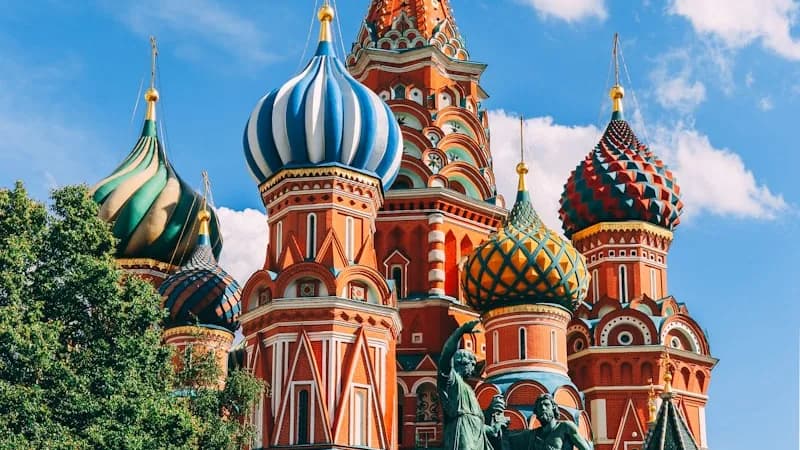
Tourists gravitate toward the Kremlin, Red Square, and the Arbat. These are magnificent places to visit, but living directly beside them is impractical for most people. The very centre of Moscow is expensive, noisy, and often lacks the residential infrastructure, including supermarkets, parks, and quiet streets, that makes a neighborhood liveable over months or years.
The most successful expat relocations tend to land in a ring around the historical centre: close enough to reach the major sights and offices within twenty to thirty minutes by metro, far enough to enjoy quieter streets, better-value apartments, and a genuine neighborhood feel.
Moscow's rental market uses the following rough pricing tiers (as of early 2026, for a one-bedroom apartment):
- Ultra-central (inside the Boulevard Ring): 80,000-200,000 RUB/month (775-1,940 USD)
- Inner city (between Boulevard and Garden Rings): 60,000-120,000 RUB/month (580-1,160 USD)
- Mid-ring (between Garden Ring and Third Ring): 45,000-85,000 RUB/month (435-825 USD)
- Outer areas (beyond Third Ring, near metro): 30,000-60,000 RUB/month (290-580 USD)
Two-bedroom apartments typically cost 30-50% more. Furnished apartments command a premium of 10-20% over unfurnished equivalents. For detailed pricing data and the rental process, see our housing prices and tips guide.
The price difference between an ultra-central one-bedroom and a mid-ring equivalent is typically 50,000-80,000 RUB per month — roughly 600,000-960,000 RUB per year, or 6,000-9,600 USD. Moving two metro stops out of the Boulevard Ring frees a substantial budget for travel, schools, or savings without materially affecting commute time.
Patriarch's Ponds (Patriarshiye Prudy)
Profile: Upscale, walkable, restaurant-dense, central
Patriarch's Ponds is Moscow's most fashionable residential neighborhood. Named after the small pond immortalised in Bulgakov's novel The Master and Margarita, the area features tree-lined streets, pre-revolutionary apartment buildings, and an extraordinary concentration of restaurants, wine bars, and boutiques. Our Moscow restaurants and cafes guide covers the best dining options across every district.
Rental prices: One-bedroom apartments range from 90,000 to 180,000 RUB/month (870-1,745 USD). Premium renovated flats in historic buildings can exceed 250,000 RUB.
Transport: Mayakovskaya, Tverskaya, and Pushkinskaya metro stations are within walking distance. The area is also highly walkable, with the Kremlin reachable on foot in 25 minutes.
Pros: Beautiful architecture, excellent dining, safe, culturally rich, walkable to the centre.
Cons: Expensive, limited parking, can be noisy on weekend evenings due to restaurant crowds, relatively few large supermarkets.
Best for: Well-compensated professionals, couples without children, those who value culture and dining above all else.
Khamovniki
Profile: Green, prestigious, family-friendly, central-south
Khamovniki sits south of the Moscow River, anchored by Gorky Park, the Luzhniki sports complex, and Moscow State University. It is one of the city's most desirable residential districts, combining green space with good schools and a relatively quiet atmosphere for such a central location.
Rental prices: One-bedroom apartments range from 70,000 to 150,000 RUB/month (680-1,455 USD). Larger family apartments near Park Kultury start at 120,000 RUB.
Transport: Park Kultury, Frunzenskaya, and Sportivnaya metro stations serve the district. The MCC Luzhniki station provides additional connectivity.
Pros: Gorky Park and the embankment for recreation, prestigious address, good schools nearby, quieter than the centre, strong expat community.
Cons: Expensive, parking difficulties, some streets lack character despite the greenery.
Best for: Families, fitness-oriented residents, those who want central proximity with a calmer pace.
Arbat and Novy Arbat
Profile: Historic, touristy, central, mixed character
The Old Arbat is Moscow's most famous pedestrian street, lined with souvenir shops, street performers, and cafes. The surrounding residential streets are quieter and offer solid if unremarkable housing. Novy Arbat (New Arbat), the broad avenue running parallel, is a mix of Soviet-era tower blocks, offices, and shopping centres.
Rental prices: One-bedroom apartments range from 65,000 to 130,000 RUB/month (630-1,260 USD). Renovated flats in the lanes off Old Arbat command premiums.
Transport: Arbatskaya, Smolenskaya, and Biblioteka imeni Lenina metro stations provide excellent connectivity.
Pros: Central location, walkable to the Kremlin, historical atmosphere, good metro access.
Cons: Tourist congestion on Old Arbat, noise from Novy Arbat traffic, limited green space, some apartment buildings are poorly maintained.
Best for: Short-term residents, those who prioritize centrality above all, people who enjoy a bustling street atmosphere.
Chistye Prudy and Kitay-Gorod
Profile: Bohemian, youthful, nightlife-adjacent, central-east
The Clean Ponds boulevard and the adjacent Kitay-Gorod area form Moscow's most eclectic central neighborhood. Nineteenth-century mansion blocks sit alongside Soviet brutalism and converted merchant houses. The bar and café scene is lively, the streets are walkable, and the atmosphere has an energy that Patriarch's Ponds, for all its polish, sometimes lacks. For nightlife recommendations across the city, see our Moscow nightlife guide.
Rental prices: One-bedroom apartments range from 60,000 to 120,000 RUB/month (580-1,160 USD).
Transport: Chistye Prudy, Kitay-Gorod, and Turgenevskaya stations are all nearby.
Pros: Vibrant nightlife and café culture, central, architecturally diverse, good value relative to other central areas, young and international crowd.
Cons: Noisy, especially on weekend nights, some buildings in poor condition, limited green space apart from the boulevard itself.
Best for: Young professionals, freelancers, those who value nightlife and cultural energy.
Zamoskvorechye
Profile: Quiet, artistic, central-south, underrated
South of the Moscow River, Zamoskvorechye (literally "beyond the Moscow River") is one of Moscow's most charming and underappreciated residential neighborhoods. Low-rise streets, churches, the Tretyakov Gallery, and a growing café scene give it a village-like feel despite being a fifteen-minute walk from Red Square.
Rental prices: One-bedroom apartments range from 55,000 to 110,000 RUB/month (535-1,065 USD). The area offers notably better value than neighborhoods on the north bank.
Transport: Tretyakovskaya, Novokuznetskaya, and Polyanka metro stations serve the area.
Pros: Beautiful, quiet, walkable to the centre, artistic character (Tretyakov Gallery, Garage Museum nearby), better value than comparable central areas.
Cons: Fewer restaurants than Patriarch's Ponds, some streets feel deserted after dark, limited nightlife.
Best for: Couples, art enthusiasts, those who want central living without central noise, budget-conscious expats who refuse to leave the centre.
Presnensky (Moscow City Area)
Profile: Modern, high-rise, business-oriented, well-connected
The Presnensky district includes Moscow City, the cluster of glass skyscrapers that houses much of the city's corporate activity. The towers contain offices, hotels, apartments, and shopping malls. Living in Moscow City means floor-to-ceiling windows, concierge services, and gyms, but minimal street life and an atmosphere that some find sterile.
Rental prices: One-bedroom apartments in the towers range from 80,000 to 180,000 RUB/month (775-1,745 USD). Apartments in the surrounding residential streets are more affordable at 50,000-90,000 RUB.
Transport: Delovoy Tsentr, Mezhdunarodnaya, and Vystavochnaya metro stations provide direct access. The MCC adds further connectivity.
Pros: Modern apartments, building amenities, close to major employers, impressive views, shopping malls within walking distance.
Cons: Sterile atmosphere, windy streets between towers, expensive, limited cultural offerings, far from historical Moscow.
Best for: Corporate employees working in Moscow City, those who prefer modern apartments to historical ones, people comfortable with a vertical lifestyle.
Value districts: Taganskaya and Sokol
Taganskaya and Rogozh
Profile: Emerging, affordable, well-connected, gritty-charming
East of the centre, the Taganskaya area has been gentrifying steadily. Former industrial buildings now house lofts, co-working spaces, and cafes. The district retains a rougher edge than the polished west side, which is precisely its appeal for many younger residents.
Rental prices: One-bedroom apartments range from 45,000 to 85,000 RUB/month (435-825 USD). Loft conversions and newer buildings can be higher.
Transport: Taganskaya, Marksistskaya, and Proletarskaya metro stations connect to the centre within minutes.
Pros: Affordable, improving rapidly, creative atmosphere, good metro links, genuine neighborhood character.
Cons: Infrastructure still catching up (fewer quality supermarkets), some streets remain rough, limited green space.
Best for: Budget-conscious expats, creative professionals, those who enjoy emerging neighborhoods.
Sokol and Aeroport
Profile: Quiet, residential, green, northwest
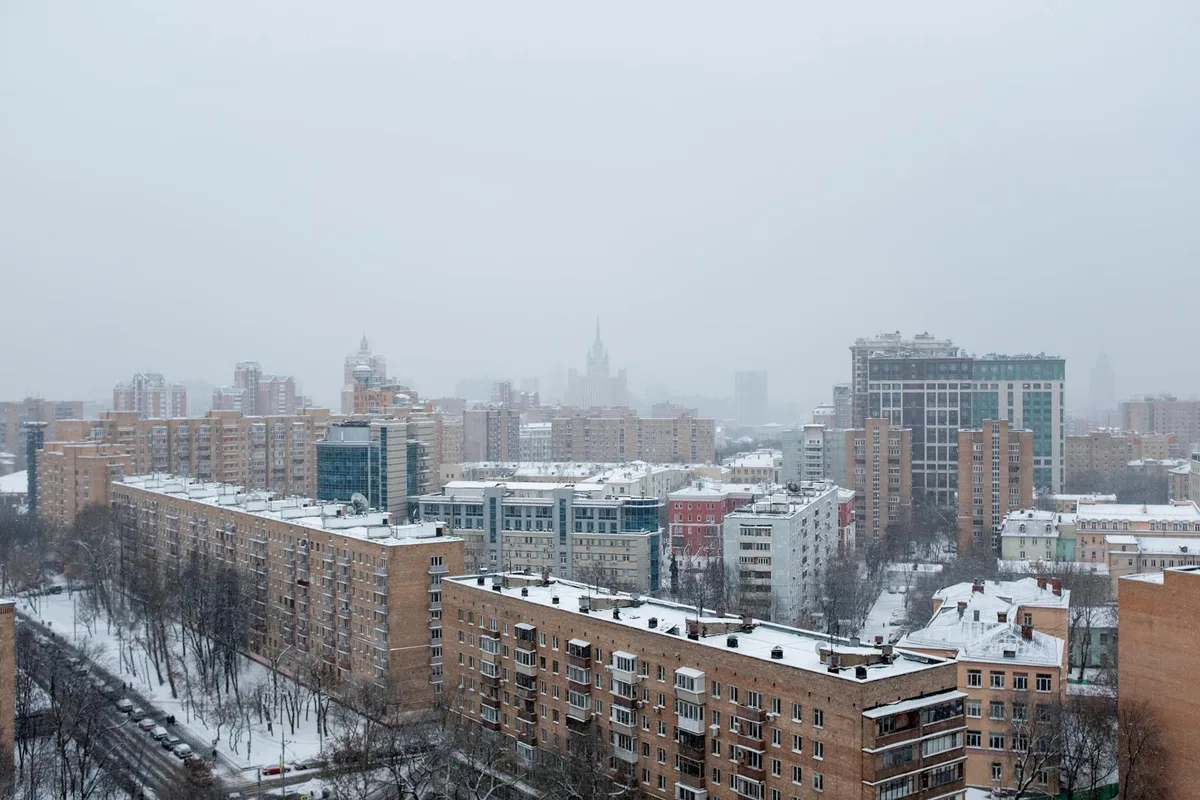
These adjacent neighborhoods along Leningradsky Prospekt offer a suburban feel with excellent metro access. Tree-lined streets, Soviet constructivist housing, small parks, and a calm atmosphere distinguish them from the central bustle.
Rental prices: One-bedroom apartments range from 40,000 to 70,000 RUB/month (390-680 USD). Excellent value for the quality of life.
Transport: Sokol and Aeroport metro stations (Line 2, Green) provide a direct 15-minute ride to the centre.
Pros: Quiet, green, affordable, fast metro to centre, good local shops and markets.
Cons: Limited nightlife, few restaurants of note, less architecturally interesting than central areas.
Best for: Families, those who need affordability without sacrificing metro access, people who prefer residential calm.
Practical Considerations for All Neighborhoods
Finding an Apartment
The primary platforms for apartment hunting in Moscow are CIAN (cian.ru), Avito (avito.ru), and Yandex Realty (realty.yandex.ru). All have some English-language support, though CIAN is the most comprehensive. Working with a real estate agent is common; agents typically charge one month's rent as commission. Landlords generally require the first month's rent plus a one-month security deposit upfront.
Lease Terms
Standard leases run for eleven months (to avoid mandatory state registration of longer leases). Most landlords require a minimum commitment of six months. Utilities (electricity, water, heating, internet) typically add 5,000-10,000 RUB per month on top of rent.
Registration
Foreign residents must register their address with the migration authorities within seven working days of moving into a new apartment. Your landlord is technically responsible for filing this registration. Some landlords are reluctant; insist on it, as the registration document is required for many administrative procedures.
Proximity to International Schools
If children are part of the equation, school location should drive the neighborhood choice. The Anglo-American School of Moscow is in the northwest (near Pokrovskoye-Streshnevo). The British International School has campuses in various locations. The International School of Moscow is near Krylatskoe. Most international schools offer bus services, but proximity reduces commute stress for families.
The Bottom Line
Moscow's best neighborhoods for expatriates share three qualities: reliable metro access, a walkable streetscape with shops and cafes, and a reasonable balance between cost and character. Patriarch's Ponds offers the highest polish at the highest price. Zamoskvorechye delivers central charm at a discount. Khamovniki suits families who want green space without leaving the core. Taganskaya rewards those willing to embrace a neighborhood still finding its identity.
Visit at least three neighborhoods before signing a lease. Walk the streets at different times of day. Check the metro commute to your workplace. And remember that in a city of Moscow's scale, the difference between a great neighborhood and a mediocre one is often just two metro stops.