The student visa is the most common and practical route for foreigners wishing to study Russian in Russia for periods exceeding 90 days. Unlike tourist visas, which are limited in duration and prohibit formal study, the student visa provides a legal framework for extended stays, allows enrolment in accredited educational institutions, and can be renewed without leaving the country.
This guide covers the complete procedure from selecting an institution to collecting your visa, including the bureaucratic realities that official sources often omit.
The Student Visa as Your Entry Point
Why It Matters
Russia does not offer a dedicated "language learning" visa. If you wish to study Russian at a recognised institution for more than 90 days, you need a student visa (учебная виза). For courses shorter than 90 days, a tourist visa or e-visa may suffice, but these do not provide the migration registration stability or institutional support that a student visa offers.
The student visa is typically issued for the duration of your course, up to one year, and is renewable from within Russia. If you plan to certify your level, the TORFL certification guide explains the official Russian language exam system. It permits multiple entries and exits (for multi-entry variants), and it provides access to student discounts on transport, museums, and cultural events.
Who Is Eligible
Any foreign national accepted into a programme at a Russian educational institution licensed by the Russian Ministry of Education can apply for a student visa. This includes:
- Full degree programmes (bachelor's, master's, doctorate)
- Preparatory year programmes (подготовительный факультет)
- Intensive Russian language courses at accredited universities and language schools
- Short-term courses exceeding 90 days at licensed institutions
The key requirement is the institution's accreditation. Language schools that are not licensed by the Ministry of Education cannot issue the invitation letter required for a student visa.
Choosing an Institution
University Programmes
Major Russian universities operate dedicated Russian language centres for international students. These offer the most structured programmes and the strongest institutional support for visa matters.
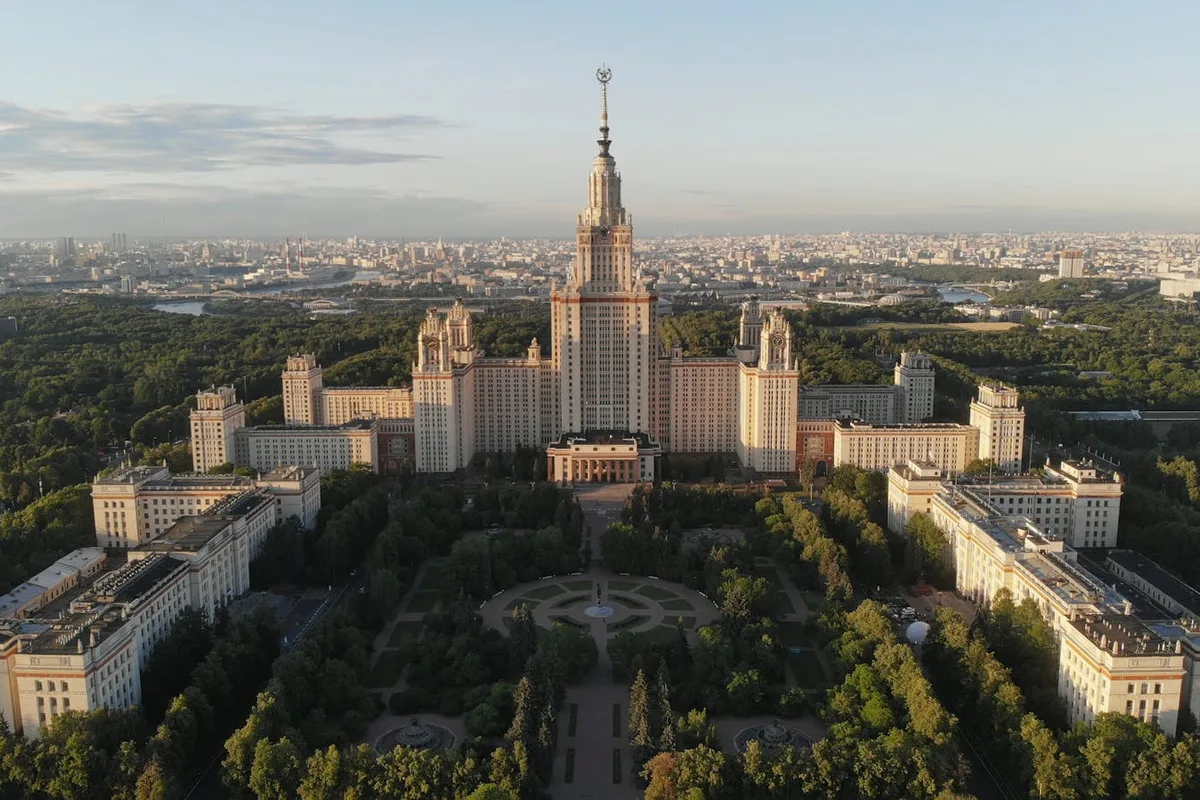
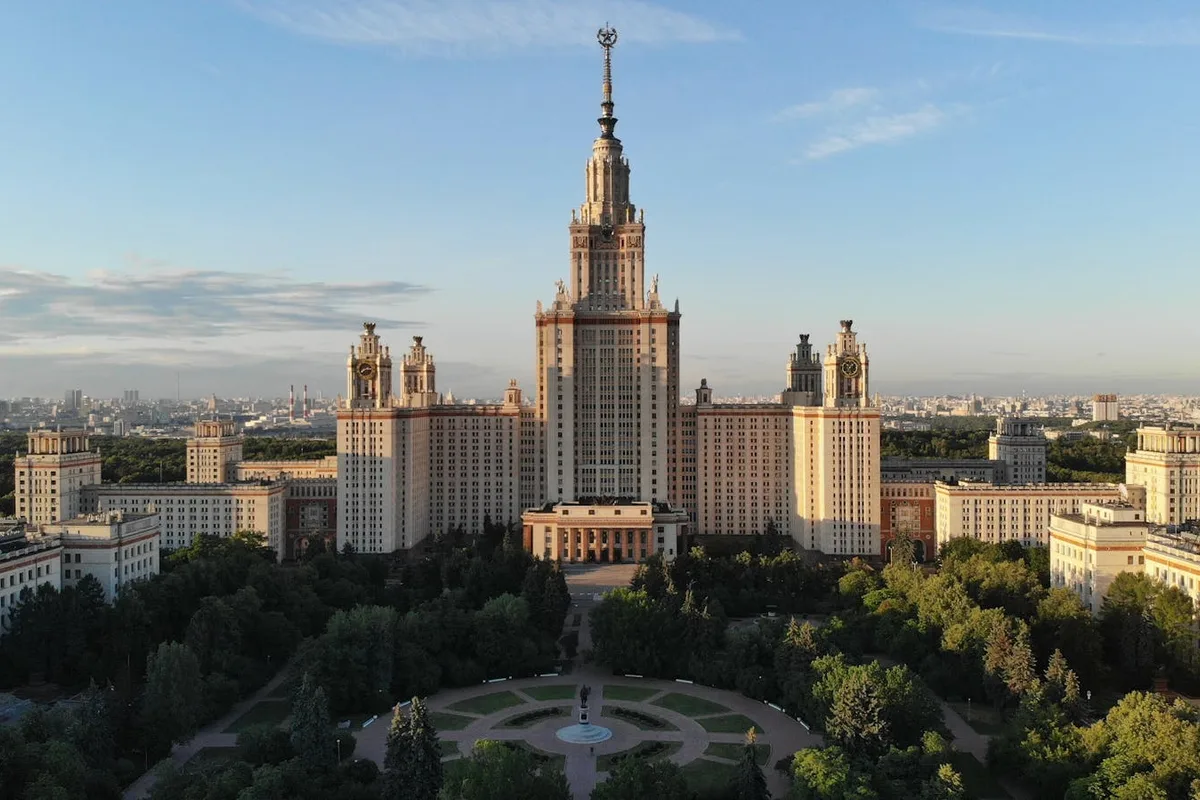
Moscow State University (МГУ): The preparatory faculty offers intensive Russian courses at all levels. Monthly tuition ranges from approximately $350 to $600. The university handles visa invitations and registration. Accommodation in university dormitories is available from approximately $100 to $250 per month, though conditions vary.
Saint Petersburg State University (СПбГУ): Similar programme structure to MSU, with tuition slightly lower (approximately $300 to $500 per month). The city's lower cost of living makes this an attractive option.
Pushkin State Russian Language Institute (Moscow): Specialises exclusively in Russian as a foreign language. Considered one of the premier institutions for language study. Tuition approximately $400 to $600 per month for intensive programmes.
Kazan Federal University, Novosibirsk State University, Ural Federal University: Regional universities offering quality programmes at lower costs (tuition from $200 to $400 per month) in cities with less English spoken, which benefits immersion.
Private Language Schools
Several private schools hold the necessary accreditation to sponsor student visas. These tend to offer smaller class sizes and more flexible scheduling but at higher prices.
Liden & Denz (Moscow and Saint Petersburg): Well-established, internationally accredited. Tuition approximately $400 to $700 per month for standard group courses. Known for efficient visa support services.
Derzhavin Institute (Saint Petersburg): Smaller, personal atmosphere. Tuition approximately $250 to $450 per month. Good host family placement programme.
Education in Russia (Moscow): Budget-friendly option with visa support. Group courses from approximately $200 per month.
What to Verify Before Enrolling
Before committing to any institution, confirm three things in writing:
- Accreditation status: Request the institution's license number and verify it on the Russian Ministry of Education's registry.
- Visa invitation capability: Explicitly confirm that the institution will issue the invitation letter (приглашение) required for your student visa application.
- Migration registration: Confirm that the institution will handle your migration registration (миграционный учёт) upon arrival, or specify what you need to do yourself.
the one non-negotiable criterion is the institution's accreditation with the Russian Ministry of Education. Without it, no invitation letter — and without the invitation, no student visa. Always request the licence number in writing and verify it against the official registry before paying any deposit.
The Step-by-Step Visa Procedure
Step 1: Apply to the Institution (8 to 12 Weeks Before Departure)
Submit your application to the chosen institution. Requirements typically include:
- Completed application form (usually available online)
- Copy of your passport (valid for at least 18 months beyond your intended arrival date)
- Copy of your highest educational qualification (not always required for language courses, but some universities request it)
- Passport-sized photographs (typically two to four, 3.5 x 4.5 cm)
- Payment of a deposit or first instalment of tuition
Processing time for acceptance and invitation letter issuance varies from two to eight weeks depending on the institution. University bureaucracies tend to be slower; private schools faster.
Step 2: Receive the Invitation Letter (6 to 8 Weeks Before Departure)
The institution applies to the Russian Ministry of Internal Affairs (MVD) for your invitation letter. This is a formal document authorised by the MVD that permits you to apply for a student visa. Processing typically takes three to six weeks from the institution's application.
The invitation letter is either mailed to you as a physical document or sent as a PDF (acceptance varies by consulate). Some consulates require the original; others accept a printed copy. Verify your specific consulate's requirements in advance.
Step 3: Gather Required Documents
For the visa application at your nearest Russian consulate or visa application centre, you will need:
- Passport: Valid for at least 18 months beyond your intended stay, with at least two blank pages.
- Visa application form: Completed online through the Russian Ministry of Foreign Affairs electronic visa application portal. Print and sign the completed form.
- Invitation letter: Original or copy as specified by your consulate.
- Passport photographs: Two recent photographs, 3.5 x 4.5 cm, white background.
- HIV test certificate: Russia requires a negative HIV test result for visa stays exceeding 90 days. The test must be conducted within three months of the application date. The certificate must specifically mention HIV (not just a general health certificate).
- Medical insurance: Proof of medical insurance valid in Russia for the duration of your stay. Some consulates accept Russian insurance purchased online; others require insurance from a provider in your home country. Coverage must include emergency medical treatment and repatriation. Annual policies from international insurers typically cost $300 to $800 depending on coverage level and age.
- Visa fee payment: Varies by nationality and consulate. For UK citizens, approximately 50 to 150 GBP depending on processing speed. For US citizens, the fee is $160 for single/double entry. EU citizens pay approximately 35 to 70 euros. Processing times range from 4 to 20 working days depending on the service level selected.
Step 4: Submit the Application
Applications are submitted in person at the Russian consulate or through an authorised visa application centre (such as VFS Global, which operates Russian visa centres in many countries). Visa centres charge an additional service fee of approximately 25 to 40 euros.
Some consulates accept applications by post; most require in-person submission or submission through the visa centre. Appointment booking is typically required and can be done online.
Step 5: Collect Your Visa
Processing takes 4 to 20 working days depending on the service selected. Express processing (four working days) costs roughly double the standard fee. Collection is in person or by courier, depending on the consulate.
Verify everything upon collection: Check the visa dates, number of entries, and personal details before leaving the consulate or visa centre. Errors are far easier to correct immediately than after you have departed.
Upon Arrival in Russia
Migration Registration (Within 7 Working Days)
Russian law requires all foreign nationals to be registered at their place of stay within seven working days of arrival. For students, this is typically handled by the educational institution or by your accommodation provider (university dormitory, hotel, or landlord).
If your institution handles registration, provide them with your passport and migration card (the small form you receive at border control) immediately upon arrival. If you are arranging your own accommodation, the landlord is legally responsible for registering you, though in practice many landlords are unfamiliar with the process. In this case, the institution's international office can usually assist or direct you to the local migration office.
Keep your registration document safe. You will need it for visa renewals, when checking into hotels, and potentially during police document checks.
Medical Clearance
Within 30 days of arrival, most educational institutions require students to undergo a medical examination at a designated Russian medical facility. This typically includes blood tests, chest X-ray, and a general health assessment. Cost is approximately $50 to $150. The institution will provide specific instructions and referrals.
Rights and Limitations
What the Student Visa Allows
- Full-time study at the sponsoring institution
- Part-time work (up to 20 hours per week during term, full-time during official vacation periods) at the sponsoring institution or affiliated organisations, subject to a work permit obtained through the institution
- Multiple entries and exits (for multi-entry visas) during the validity period
- Access to student discounts (metro cards, museum entry, some medical services)
- Opening a Russian bank account (with varying requirements depending on the bank)
- Migration registration renewal through the institution
What It Does Not Allow
- Employment outside the sponsoring institution without a separate work permit
- Remaining in Russia beyond the visa expiration date (overstaying carries serious consequences, including fines, deportation, and multi-year entry bans)
- Transferring to a different institution without updating your visa and migration registration
- Engaging in activities unrelated to study as your primary purpose of stay
Renewal and Extension
Standard Renewal
Student visas can be renewed from within Russia, provided your course continues. The institution's international office initiates the renewal process, which should begin at least 30 to 45 days before your current visa expires.
Required documents for renewal:
- Passport with current visa
- Current migration registration
- Confirmation of continued enrolment from the institution
- Passport photographs
- Updated medical insurance
- Visa extension application form
Processing takes approximately 14 to 20 working days. During this period, your passport may be held by the migration authorities. The institution should provide a temporary document confirming your legal status.
Changing Institutions
If you wish to transfer from one institution to another, the process requires your current institution to de-register you and the new institution to register you and apply for a new invitation. This is bureaucratically complex and should be initiated well in advance. Consult the international offices of both institutions before making any decisions.
What Happens After Your Course Ends
When your course concludes, your student visa remains valid until its printed expiration date. However, your migration registration may expire when your course ends. Clarify this timeline with your institution's international office. Once your visa expires, you must leave Russia. There is typically a short grace period (three to seven days) after the visa end date, but do not rely on this without confirming current regulations.
Costs Summary
A realistic budget for a one-year Russian language study programme:
| Item | Estimated Annual Cost |
|---|---|
| Tuition (university programme) | $3,000 to $7,000 |
| Accommodation (shared flat) | $4,000 to $10,000 |
| Visa fees and processing | $100 to $300 |
| Medical insurance | $300 to $800 |
| Medical examination in Russia | $50 to $150 |
| Living expenses (food, transport, phone) | $3,000 to $6,000 |
| Total | $10,450 to $24,250 |
Saint Petersburg and regional cities fall toward the lower end of these ranges; Moscow toward the higher end. Our guide to moving to Moscow provides detailed cost-of-living breakdowns for students and expats alike. Private language schools may charge higher tuition than university programmes but sometimes offer more flexible scheduling and smaller classes.
a realistic total year in Russia — tuition, housing, insurance and living expenses — falls between USD 10,000 and 24,000, with a sharp gap between Moscow and regional cities. Full enrolment-to-arrival timing is rarely under three to four months: starting early is the single most decisive factor to avoid a delayed start of term.
Practical Tips
Start early. The combined timeline from initial application to visa collection can easily span three to four months. Begin the process at least four months before your intended departure date.
Keep copies of everything. Photocopy every document you submit and every document you receive. Store digital copies in the cloud. Russian bureaucracy occasionally loses paperwork, and having copies saves weeks of replacement processing.
Learn basic Cyrillic before arrival. The ability to read signs, forms, and street names in Cyrillic is essential from day one. Even A1-level Russian dramatically reduces the stress of arrival and initial settlement. For a structured approach, see our guide to learning Russian through immersion.
Bring extra passport photographs. You will need them for registration, university ID cards, transit passes, and various administrative procedures. Bring at least ten.
Register your presence with your home country's embassy. While not mandatory, registering with your embassy or consulate in Russia ensures they can contact you in emergencies and provides a safety net in case of serious difficulties.