Money is one of the first practical challenges any visitor to Russia faces in 2026. The financial sanctions imposed on Russia since 2022 severed the country from the Visa and Mastercard payment networks, which means that the bank cards sitting in your wallet — the ones you use effortlessly everywhere else in the world — simply do not work here. Not at shops, not at restaurants, not at ATMs, not online. This single fact shapes the entire financial experience of visiting Russia and requires planning that was unnecessary just a few years ago.
The good news is that solutions exist, they are well-established, and millions of foreign visitors and residents manage perfectly well. Russia is a modern, digitised economy — Russians themselves are among the most enthusiastic users of contactless payment and mobile banking in the world. The challenge for foreigners is gaining access to that system. This guide explains how.
The Basic Problem: Foreign Cards Do Not Work
Since March 2022, Visa and Mastercard suspended all operations in Russia. This means:
- Credit and debit cards issued by any bank outside Russia on the Visa or Mastercard networks will be declined everywhere — shops, restaurants, hotels, transport, online services
- ATM withdrawals with foreign Visa/Mastercard are impossible
- Apple Pay and Google Pay linked to foreign cards do not function
- American Express and Discover cards likewise do not work
- Online purchases on Russian websites (RZD train tickets, museum bookings, etc.) cannot be completed with foreign cards
There are no exceptions, workarounds, or special arrangements. If it says Visa or Mastercard and it was issued outside Russia, it will not work.
Solution 1: Cash (The Essential Baseline)
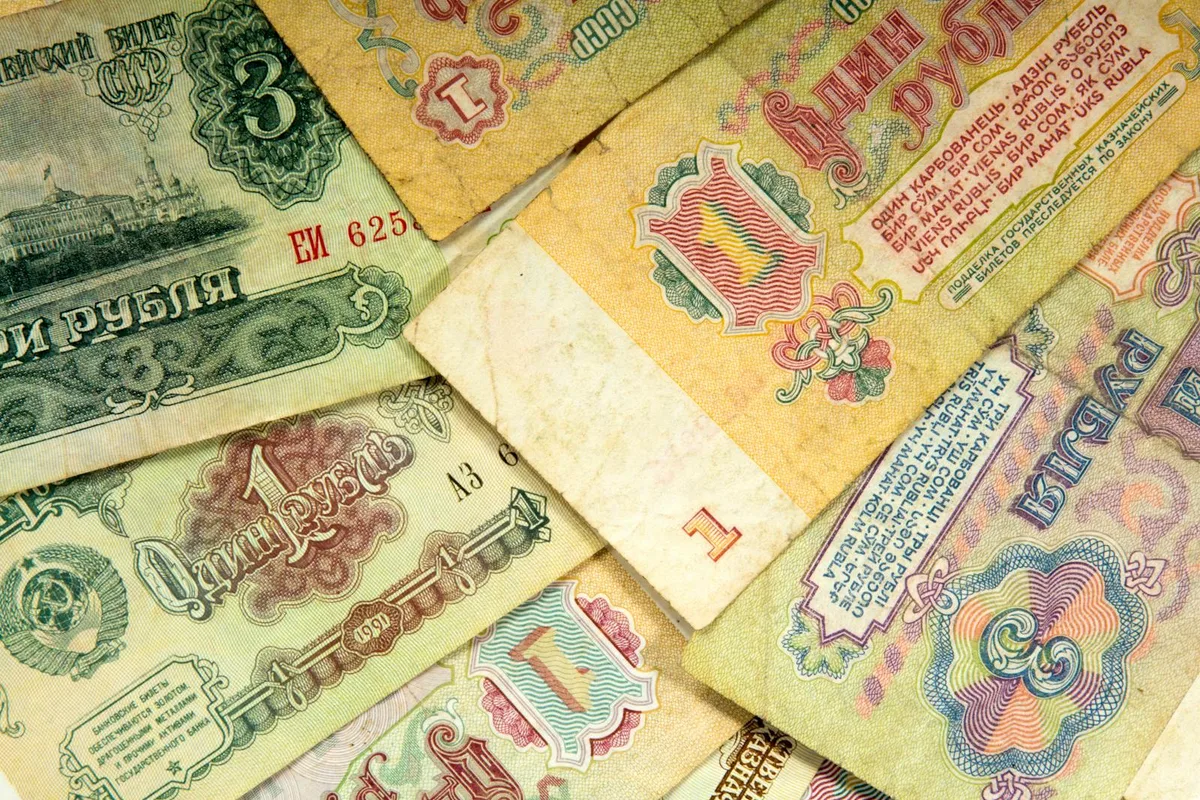
Cash in rubles is the foundation of any visitor's financial strategy in Russia. Whatever other arrangements you make, you should always have a reasonable amount of cash as backup.
How Much Cash to Bring
A practical guideline for a tourist in Moscow or Saint Petersburg:
- Budget traveller: 15,000-20,000 RUB per week (150-200 EUR) — covers meals at affordable restaurants, metro transport, museum admissions, and incidentals
- Mid-range traveller: 25,000-35,000 RUB per week (250-350 EUR) — comfortable dining, taxis, attractions, and modest shopping
- Comfortable traveller: 40,000-50,000 RUB per week (400-500 EUR) — good restaurants, private tours, shopping, and entertainment
These figures assume accommodation is pre-paid (most hotels accept foreign cards for online booking through international platforms, even though the physical card won't work in Russia).
Which Currency to Bring
Bring euros or US dollars in clean, undamaged notes. These are the most widely accepted currencies for exchange in Russia. British pounds, Swiss francs, and Chinese yuan can also be exchanged but at fewer locations and potentially less favourable rates.
Important: Russian exchange offices may refuse notes that are torn, heavily creased, marked with pen, or older than a certain series (particularly for USD, pre-2006 series notes are sometimes rejected). Bring crisp, recent notes.
Exchanging Money in Russia
Exchange offices (обмен валюты) are found throughout Russian cities — in airports, shopping centres, near metro stations, and on major streets.
At the airport: Convenient but with the worst rates. The markup at Sheremetyevo and Domodedovo airport exchange offices is typically 3-5% worse than in the city. Exchange only enough to cover your immediate transport needs (2,000-3,000 RUB) and find a better rate in town.
City exchange offices: Found everywhere in Moscow and Saint Petersburg. Rates are competitive and usually displayed on electronic boards outside. The rate shown is typically the rate you get — commissions are rare at reputable offices. Always count your money at the counter before leaving.
Bank branches: Sberbank, VTB, T-Bank (Tinkoff), and other major banks exchange foreign currency at competitive rates. You will need your passport. Bank hours are typically 09:00-18:00 on weekdays, with some branches open on Saturdays.
The Exchange Rate
As of early 2026, the ruble trades at approximately:
- 1 EUR = 95-100 RUB
- 1 USD = 88-93 RUB
- 1 GBP = 110-118 RUB
The rate fluctuates and can move significantly over short periods. Check xe.com or Google for the current interbank rate before exchanging, so you can evaluate the markup being offered.
Bring euros or USD in clean, recent notes and exchange at a city obmennik, not the airport — the airport markup is typically 3-5% worse, and Russian kiosks regularly reject creased or pre-2006 USD notes.
Solution 2: UnionPay Cards
UnionPay, the Chinese payment network, continues to operate in Russia and is accepted at a growing number of locations. If you can obtain a UnionPay card before travelling, it provides a partial solution to the cashless payment problem.
How to Get a UnionPay Card
- Banks in China: The primary source, obviously, but not helpful for most Western travellers
- ICBC (Industrial and Commercial Bank of China): Has branches in several European countries and offers UnionPay cards to account holders
- Some Turkish banks: Certain Turkish banks issue UnionPay cards that work in Russia
- Wise (TransferWise): Has experimented with UnionPay virtual cards in some markets — check current availability
UnionPay in Practice
UnionPay acceptance in Russia has expanded but remains inconsistent. Major chain stores, supermarkets, and hotels in Moscow and Saint Petersburg generally accept it. Smaller shops, restaurants, and businesses outside major cities may not. ATM withdrawals with UnionPay work at machines operated by Sberbank, VTB, Gazprombank, and Raiffeisenbank.
Limitations: Transaction fees for UnionPay vary by issuing bank and can be 1-3% per transaction. ATM withdrawal limits may be lower than for domestic cards. Not all Russian ATMs accept UnionPay — look for the UnionPay logo on the machine.
Solution 3: Opening a Russian Bank Account
For longer stays, opening a Russian bank account is the most practical solution. A Russian-issued Mir card gives you full access to the domestic payment system — contactless payments, ATM withdrawals, mobile banking, online purchases, and QR code payments.
T-Bank (formerly Tinkoff)
T-Bank is the most foreigner-friendly Russian bank. It operates entirely online (no physical branches), delivers cards to your address, and its app is available in English. Opening an account requires:
- Passport with a valid Russian visa
- Russian phone number
- A meeting with a T-Bank representative (they come to you — a cafe, hotel, or your apartment)
The process takes 2-5 business days from application to receiving your card. There are no account maintenance fees for basic accounts. T-Bank also offers an eSIM product and integrates well with Russian payment services.
For a detailed guide on Russian banking options, see our banking guide for expats.
Sberbank
Russia's largest bank has the widest ATM and branch network. Opening an account is possible for foreigners but requires visiting a branch with your passport and migration card. The process is more bureaucratic than T-Bank and the app is Russian-only.
Loading Money onto a Russian Account
Once you have a Russian bank account, you need to fund it. Options include:
- Cash deposit: Deposit rubles (exchanged from your foreign currency) at an ATM that accepts cash deposits. Most Sberbank and T-Bank ATMs support this.
- Crypto-to-ruble: Some travellers use cryptocurrency exchanges that support ruble withdrawals to Russian bank accounts. This exists in a legal grey area and is not officially recommended.
- Wire transfer: International wire transfers to Russian banks are possible but can be slow, expensive, and subject to compliance scrutiny. SWIFT transfers from some Western banks to Russian banks are restricted or blocked.
Solution 4: SBP (Faster Payments System) and QR Codes
Russia's SBP (Система Быстрых Платежей) is a government-backed instant payment system that enables payments via QR codes, phone number transfers, and direct bank-to-bank transactions. It has become extremely popular and is accepted at a rapidly growing number of merchants.
If you have a Russian bank account linked to SBP, you can:
- Pay at shops and restaurants by scanning a QR code with your banking app
- Transfer money to any Russian phone number instantly
- Split bills with other SBP users
- Pay for many online services
SBP payments are free for individuals (no transaction fees) and cost merchants less than card payments, which is why adoption has been enthusiastic.
Day-to-Day Payment in Practice
What a Typical Day Looks Like
A visitor to Moscow without a Russian bank card will use cash for most transactions. Here is what that looks like:
- Metro/transport: Buy a Troika card at any metro station for 80 RUB (refundable deposit) and load it with cash at ticket machines. This covers metro, buses, trams, and commuter trains within Moscow.
- Meals: Most restaurants accept cash. Mid-range lunch: 500-800 RUB. Dinner: 1,000-2,500 RUB. Street food and canteens: 200-400 RUB.
- Museums and attractions: Many ticket offices accept cash. Some require online pre-purchase (Kremlin, Hermitage), which is where the foreign card problem bites — ask your hotel to help with online bookings.
- Taxis: Yandex Go (the dominant taxi app) requires a Russian payment method. Without one, you can use cash — when ordering, select "cash payment" in the app if you have a Russian phone number, or hail taxis at designated stands. In practice, asking your hotel to order taxis is often the simplest approach.
- Shopping: Supermarkets, pharmacies, and shops all accept cash. Self-checkout machines may be card-only — use staffed registers.
Tipping
Tipping is appreciated but not obligatory in Russia. When you do tip:
- Restaurants: 10% of the bill is standard for good service. Leave cash on the table — tipping through card payments is unreliable.
- Taxis: Not expected, but rounding up is appreciated.
- Hotels: 200-500 RUB for porters and housekeeping, per service.
- Guides: 500-1,000 RUB for a half-day tour, 1,000-2,000 for a full day.
Prices to Expect
For context on what things cost and how much cash you will need, see our detailed guide on the cost of living in Moscow and Saint Petersburg. For dining specifically, the eating in Moscow guide covers restaurant prices and recommendations.
Some benchmark prices in early 2026:
- Coffee (cappuccino): 200-350 RUB (2-3.50 EUR)
- Beer (domestic, 0.5L): 200-400 RUB
- Metro single ride: 57 RUB (Troika card rate)
- Museum admission: 400-1,000 RUB
- Theatre ticket (Bolshoi, economy): 2,000-5,000 RUB
- Decent restaurant dinner for two: 3,000-6,000 RUB
For stays beyond a few weeks, open a T-Bank account — delivered to your door, English app, full Mir-card access to SBP QR payments — it is the only clean solution for long-term residents.
Safety and Common Sense
Carrying Cash
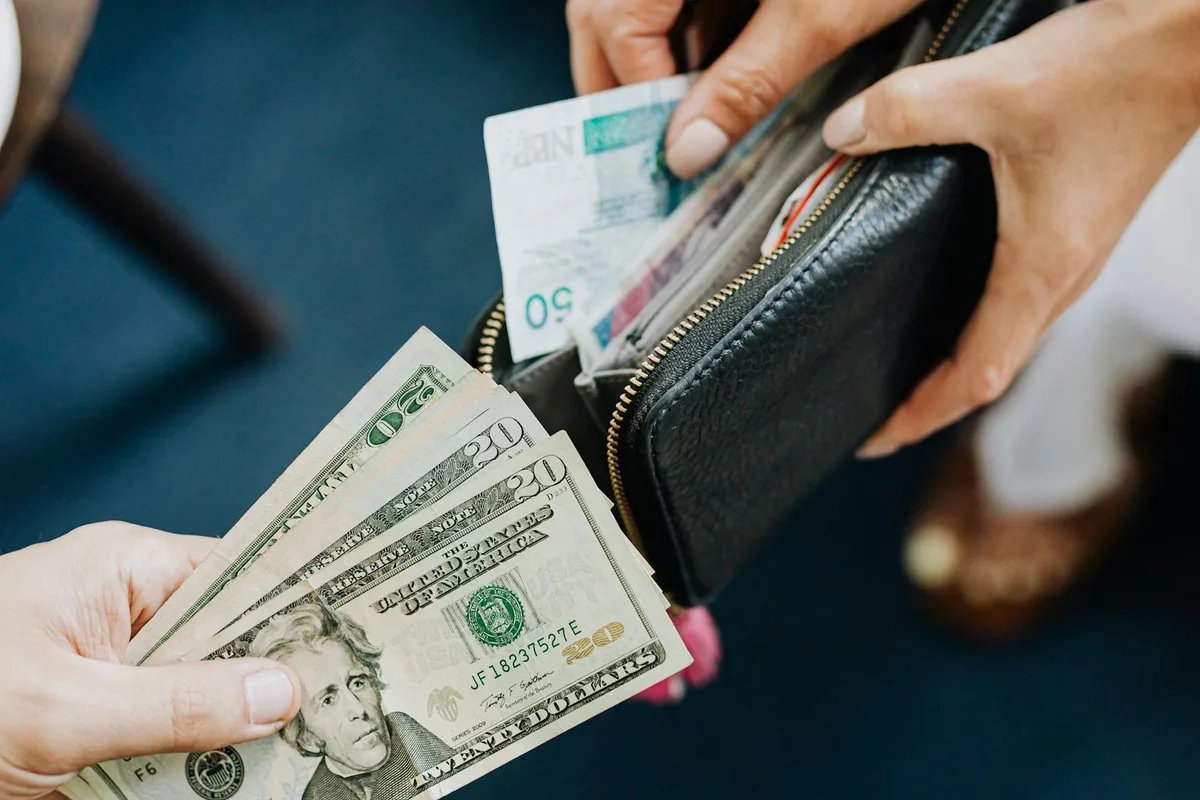
Russia is generally safe for carrying reasonable amounts of cash. Standard precautions apply:
- Use a money belt or distributed storage (some cash in wallet, some in hotel safe, some in a separate pocket)
- Avoid displaying large amounts of cash in public
- Use well-lit, indoor ATMs at bank branches rather than standalone street machines
- Count your money discreetly
- Keep a small amount of small bills (100-500 RUB) separate for daily transactions
Exchange Office Scams
Legitimate exchange offices are regulated and generally honest. Be cautious of:
- Offices with dramatically better rates than competitors (the advertised rate may apply only to large sums, with a different rate for normal amounts)
- Street money changers (illegal and almost always fraudulent)
- Offices that announce a "commission" only after completing the transaction — always ask about commissions before handing over money
- The classic short-change technique — always count your rubles at the counter before leaving
Emergency Money
If you run out of cash and have no Russian bank card:
- Western Union operates in Russia through partner banks and post offices. Money can be sent from abroad and collected in rubles with your passport.
- Some hotels will exchange foreign cash for guests as a courtesy
- Embassies and consulates can provide emergency financial assistance in extreme cases
Leaving Russia: Converting Rubles Back
When departing, you may want to convert remaining rubles back to your home currency. This is straightforward at airport and city exchange offices. Keep your original exchange receipts — while not strictly required for tourist amounts, they can smooth the process if questioned. There is no limit on the amount of foreign currency you can take out of Russia, but amounts exceeding 10,000 USD equivalent must be declared at customs.
Alternatively, spend your remaining rubles at duty-free shops at the airport or on last-minute purchases. The ruble is not easily exchangeable outside Russia (some exchange offices in Istanbul, Dubai, and Helsinki will take rubles, but at poor rates).
Key Takeaways
Managing money in Russia in 2026 requires more planning than in most countries, but the fundamentals are simple: bring enough cash in euros or dollars to cover your stay, exchange at city exchange offices (not the airport) for the best rates, and budget approximately 300-500 EUR per week for a comfortable visit. If staying longer, open a T-Bank account for full access to the Russian payment system. UnionPay cards offer a partial bridge for card payments if you can obtain one before travel. Above all, do not arrive in Russia relying on your Visa or Mastercard — they will not work, and there are no exceptions.