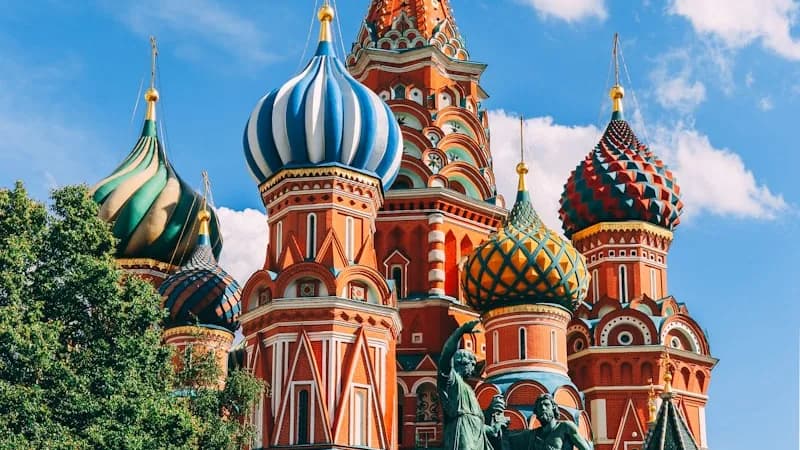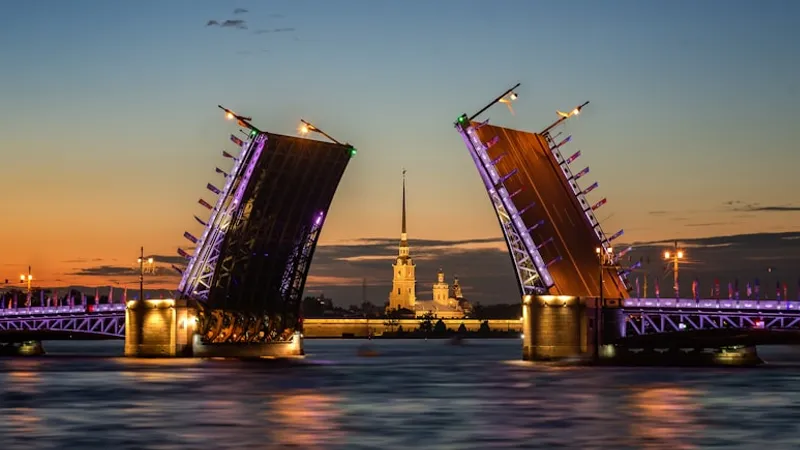
The question of Moscow versus Saint Petersburg is one that every prospective expatriate planning to live in Russia must answer, and it is not as straightforward as it might initially appear. Moscow is the capital, the economic engine, the city of power and money. Saint Petersburg is the cultural capital, the city of canals and palaces, the place Russians describe with a mixture of reverence and gentle condescension. Both are genuinely world-class cities. Both will test your patience. And the right choice depends far more on your personal circumstances than on any abstract ranking.
This guide compares the two cities across the dimensions that matter most to expatriates: employment, cost of living, housing, culture, climate, and quality of life.
Employment and Career Opportunities
Moscow
Moscow is the unambiguous centre of the Russian economy. The city accounts for roughly a quarter of Russia's GDP. Virtually every major Russian corporation, international company with Russian operations, and government institution is headquartered here. For expatriates in finance, consulting, technology, energy, law, or diplomacy, Moscow offers the widest range of opportunities by a significant margin.
Salaries in Moscow are the highest in Russia. An experienced expat professional can expect to earn 200,000-500,000 RUB per month (1,940-4,850 USD) depending on the sector, with senior positions in energy or finance reaching well beyond that.
Saint Petersburg
Saint Petersburg's economy is smaller but not negligible. The city has strengths in IT and software development, shipbuilding, automotive manufacturing (several international plants operate nearby), tourism, and education. Gazprom relocated its headquarters to Saint Petersburg in 2022, bringing associated professional services with it.
Salaries are typically 15-25% lower than Moscow equivalents. An experienced professional might earn 150,000-400,000 RUB per month (1,455-3,880 USD). The lower cost of living partially compensates, but the gap is real.
Verdict: Moscow wins decisively on breadth of opportunity and compensation. Saint Petersburg is viable for specific sectors, particularly IT and energy, but offers fewer options overall.
Cost of Living
Rent
This is the single largest expense for most expatriates, and the gap between the two cities is substantial.
| Apartment Type | Moscow (RUB/month) | Saint Petersburg (RUB/month) |
|---|---|---|
| 1-bedroom, centre | 70,000-150,000 | 40,000-80,000 |
| 1-bedroom, outside centre | 35,000-65,000 | 25,000-45,000 |
| 2-bedroom, centre | 100,000-220,000 | 60,000-120,000 |
| 2-bedroom, outside centre | 55,000-100,000 | 35,000-65,000 |
Saint Petersburg rents run roughly 30-40% lower than Moscow equivalents for comparable quality and location.
Daily Expenses
Groceries, restaurants, and transport are also cheaper in Saint Petersburg, though the gap is narrower than for rent:
| Item | Moscow | Saint Petersburg |
|---|---|---|
| Monthly metro pass | 2,540 RUB | 2,200 RUB |
| Meal at inexpensive restaurant | 600-900 RUB | 450-700 RUB |
| Cappuccino | 250-400 RUB | 200-350 RUB |
| Monthly groceries (one person) | 20,000-30,000 RUB | 16,000-24,000 RUB |
| Gym membership | 3,000-6,000 RUB | 2,500-5,000 RUB |
Overall, an expatriate in Saint Petersburg can expect to spend 20-30% less on living expenses than in Moscow for a comparable lifestyle.
Verdict: Saint Petersburg is significantly more affordable. An expat earning a Moscow salary while living in Saint Petersburg would enjoy a noticeably higher standard of living.
The salary-versus-cost arithmetic is blunt — Saint Petersburg salaries run 15-25% lower, but rent falls 30-40% and daily expenses 20-30%. A Moscow-paid remote role executed from Saint Petersburg is the single most financially efficient Russian setup; a Saint Petersburg-paid role competing on Moscow costs is the worst.
Housing Quality
Moscow
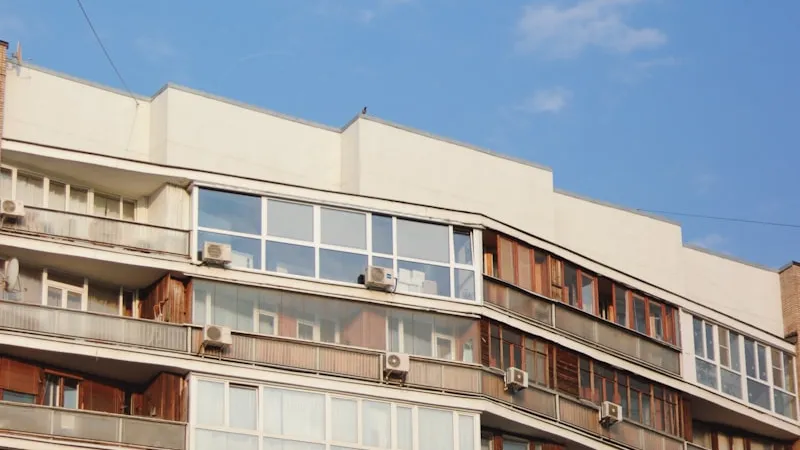
Moscow's housing stock is diverse. The centre offers renovated pre-revolutionary apartments (high ceilings, character, sometimes questionable plumbing), Soviet-era blocks (functional but often dreary), and modern developments (efficient but soulless). The Moscow City skyscrapers provide a distinctly 21st-century living experience. Quality varies enormously; viewing apartments in person before signing a lease is essential.
Saint Petersburg
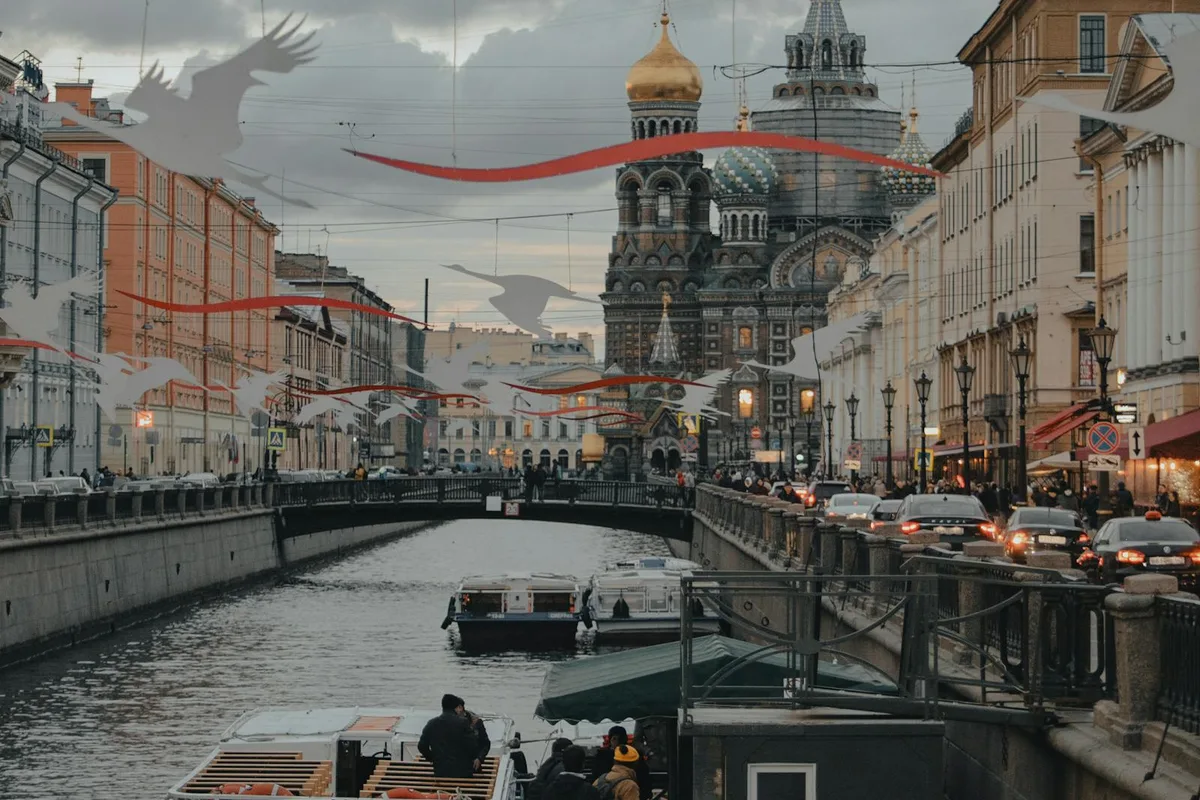
Saint Petersburg's housing has a particular character. Many central apartments occupy former kommunalkas (communal apartments) in 19th-century buildings. These have been subdivided and renovated to varying standards. The best offer extraordinary spaces: 4-metre ceilings, ornate mouldings, enormous windows overlooking canals. The worst suffer from dampness, antiquated wiring, and plumbing that betrays its age. New-build apartments on the city's periphery are modern and functional but lack character.
The dampness issue in Saint Petersburg deserves emphasis. The city's climate, built on marshland beside the Baltic, means that moisture is a persistent challenge. Ground-floor apartments and those in poorly maintained buildings can develop mould. Inspect carefully.
Verdict: A draw. Moscow offers more modern housing options. Saint Petersburg offers more character. Both require careful apartment selection.
Culture and Entertainment
Moscow
Moscow's cultural offering is vast. The Bolshoi Theatre, the Tretyakov Gallery, Gorky Park, the Garage Museum of Contemporary Art, and dozens of smaller theatres, galleries, and concert venues ensure there is always something on. The restaurant and nightlife scenes are larger and more diverse than Saint Petersburg's. The city's sheer size means that cultural options span every taste and budget.
Saint Petersburg
Saint Petersburg's cultural density may actually exceed Moscow's. The Hermitage alone could occupy weeks. The Mariinsky Theatre rivals the Bolshoi. The Russian Museum, Erarta, and countless smaller galleries maintain an extraordinary standard. The city's literary heritage (Dostoevsky, Akhmatova, Brodsky, Gogol) is woven into its streets. Summer brings the White Nights, a cultural festival without parallel in Russia.
The music and underground art scene in Saint Petersburg has a raw energy that Moscow's more commercialised scene sometimes lacks. The city has historically been the birthplace of Russian rock music and retains that creative edge.
Verdict: Moscow has more options. Saint Petersburg has more atmosphere. Culture enthusiasts will thrive in either city, but Saint Petersburg has a slight edge for those who value depth over breadth.
Climate and Weather
This is where the comparison becomes stark.
Moscow
Moscow has a continental climate. Winters are cold (-10C to -20C in January) but generally dry with regular snowfall. Summers are warm (20-30C) with occasional heat waves. Spring and autumn are brief but pleasant. Moscow receives more sunshine than Saint Petersburg and less rain.
Saint Petersburg
Saint Petersburg's climate is maritime-continental with heavy Baltic influence. The result is grey skies, persistent dampness, and rain for much of the year. Winter temperatures are similar to Moscow's but feel worse due to the humidity and wind off the Neva. The city averages only 62 sunny days per year. Seasonal affective disorder is common among residents and expatriates.
The compensation is the White Nights in June, when the city barely sees darkness and the sky glows until past midnight. But this brief euphoria cannot fully offset nine months of overcast skies.
Verdict: Moscow wins clearly. Its winters are colder on paper but more tolerable in practice. Its summers are warmer. Its sunshine hours are substantially higher. Saint Petersburg's climate is the single biggest drawback of living there.
Daily life: transport and community
Transport and Infrastructure
Moscow
Moscow's metro is the more extensive system (14 lines, 250+ stations). The city's ring-road structure and investment in the Moscow Central Circle and Moscow Central Diameters have improved connectivity substantially. Traffic congestion remains severe, particularly during rush hours.
Saint Petersburg
Saint Petersburg's metro is smaller (5 lines, 72 stations) but adequate for the city centre. The city's compact core makes walking and cycling (in summer) viable for many daily trips. Traffic congestion exists but is less severe than Moscow's. The drawbridge schedule in summer adds a unique complication for late-night returns.
Verdict: Moscow has better public transport infrastructure. Saint Petersburg's smaller scale makes daily life somewhat easier to navigate on foot.
Social Life and Community
Moscow
Moscow's expat community is larger, more diverse, and better organised. Regular events, established networking groups, international schools, and a wide range of English-speaking services make integration easier. The city's size also means more anonymity: you can reinvent yourself more easily in Moscow.
Saint Petersburg
The expat community in Saint Petersburg is smaller and more intimate. You will run into the same people repeatedly, which builds deeper connections but can also feel claustrophobic. Integration with Russians may actually be easier in Saint Petersburg, where the pace of life allows for more sustained social interactions. Petersburgers are generally considered more open and culturally oriented than Muscovites, though this is a generalisation that admits many exceptions.
Verdict: Moscow for breadth and professional networking. Saint Petersburg for depth and cultural connection.
Schools and healthcare
International Schools
Moscow
Moscow has the larger selection of international schools: the Anglo-American School, the British International School (multiple campuses), the International School of Moscow, and the French Lycee, among others. Annual fees range from 800,000 to 2,500,000 RUB (7,760-24,250 USD).
Saint Petersburg
Options are more limited but include the International School of Saint Petersburg and the Anglo-American School. Fees are generally 10-20% lower than Moscow equivalents.
Verdict: Moscow, by virtue of having more options and larger schools.
Healthcare
Both cities have excellent private clinics catering to expatriates. European Medical Centre and American Medical Center in Moscow, and Scandinavia Clinic and MEDSI in Saint Petersburg, offer Western-standard care with English-speaking staff. Healthcare costs are comparable between the two cities.
The Intangible Factor
Numbers and comparisons can only take you so far. The cities have fundamentally different personalities.
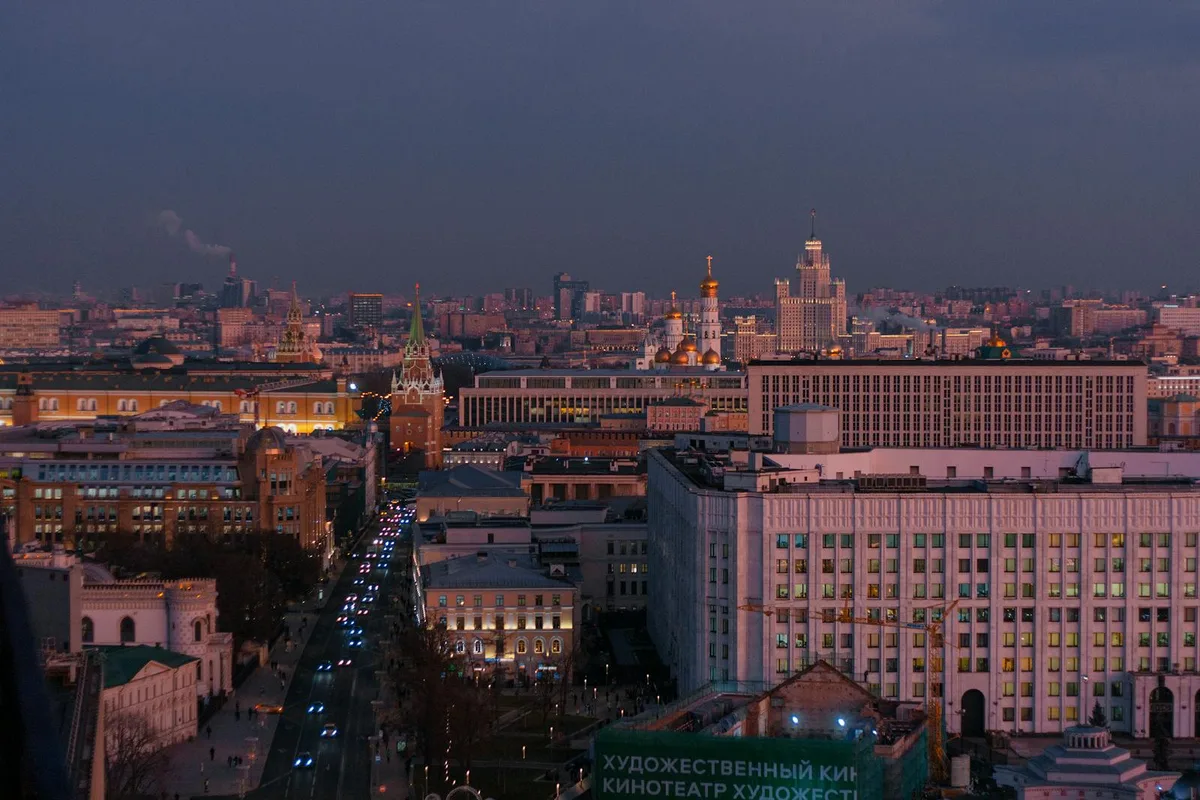
Moscow is ambitious, relentless, and forward-looking. It is a city of deals, construction cranes, and 24-hour energy. People move to Moscow to build careers, make money, and be at the centre of things. It can be exhausting.
Saint Petersburg is reflective, artistic, and slightly melancholy. It is a city of long walks along canals, afternoons in museum galleries, and conversations over tea. People move to Saint Petersburg for beauty, for culture, and for a pace of life that, while still urban, allows more space for contemplation. It can feel isolated.
Summary Table
| Factor | Moscow | Saint Petersburg |
|---|---|---|
| Career opportunities | Excellent | Good (sector-dependent) |
| Salary levels | Higher | 15-25% lower |
| Cost of living | Higher | 20-30% lower |
| Cultural richness | Vast and diverse | Dense and deep |
| Climate | Cold but sunny | Cold, damp, grey |
| Expat community | Large, diverse | Smaller, intimate |
| International schools | Many options | Fewer options |
| Housing character | Modern or Soviet | Historic, atmospheric |
| Transport | Extensive metro | Compact, walkable |
| Nightlife | Larger scene | Creative, intimate |
The Recommendation
Choose Moscow if your primary motivation is professional, if you need a large international community, or if you have school-age children requiring multiple options. Choose Saint Petersburg if you prioritise beauty, culture, and affordability over career breadth, and if you can tolerate a climate that tests even seasoned Northern Europeans.
For a detailed look at settling in the capital, see our complete guide to moving to Moscow. If Saint Petersburg is calling, our visitor's guide to Saint Petersburg covers the city's essentials. For many expatriates, the ideal solution is a Moscow posting with regular weekend trips to Saint Petersburg. The Sapsan train makes this entirely practical. But if you must choose one city to call home, be honest about what drives you. Moscow will reward ambition. Saint Petersburg will reward curiosity. Neither will bore you.