Staying connected in Russia is both more important and more complicated than it was a few years ago. Western messaging apps and social networks face intermittent blocks, many Russian services require a local phone number for verification, and the regulatory landscape around SIM card registration has tightened considerably since January 2025. For travellers and expats alike, getting a working Russian SIM card — or a viable alternative — is one of the first practical tasks upon arrival.
This guide covers the current state of mobile internet in Russia, the registration procedures foreigners must navigate, the four main operators and their plans, the eSIM situation after recent changes, and practical tips to keep you connected throughout your stay.
Why You Need a Russian SIM Card
A local Russian number is not merely a convenience. It is, in practical terms, a necessity for anyone spending more than a few days in the country.
Most Russian services — from banking apps to taxi services like Yandex Go — require SMS verification tied to a Russian mobile number. Restaurant reservations, museum ticket purchases, and even some public Wi-Fi networks demand phone confirmation. Without a local number, you will find yourself locked out of much of the digital infrastructure that makes daily life in Russia manageable.
Mobile data is also essential for navigation. Google Maps works in Russia but is less reliable than Yandex Maps for local transport and walking directions. Having consistent mobile data allows you to use translation apps, look up addresses in Cyrillic, and stay in touch via messaging apps that work with a VPN.
International roaming from your home carrier is technically possible, but prohibitively expensive for anything beyond occasional emergency use. European and North American carriers typically charge 10 to 15 USD per megabyte of data in Russia, which can add up to hundreds of dollars in a single day of normal smartphone use.
The New Registration Rules Since January 2025
The most significant change for foreigners buying SIM cards in Russia came into effect on 1 January 2025. The Russian government introduced mandatory registration through the Gosuslugi portal (the state services platform) and, for longer stays, linkage to a SNILS number (the Russian social insurance number).
What Changed
Previously, a foreigner could walk into any mobile operator's shop, present a passport, and walk out with an active SIM card in fifteen to twenty minutes. The process was straightforward and largely paperwork-free.
Under the new rules, the registration process now involves several additional steps:
For tourists (stays under 90 days): You must still present your passport and migration card at the operator's office. The operator will register your SIM card against your passport data in the Gosuslugi system. You do not need a SNILS number, but the registration process takes longer — typically thirty to forty-five minutes — because the operator must verify your data against the state database. Some smaller sales points may refuse to serve foreigners altogether because they lack the equipment or training for the new procedure.
For residents and long-stay visitors: If you hold a residence permit, work permit, or have been in Russia for more than 90 days, you are now expected to have a SNILS number linked to your SIM card. The SNILS can be obtained at any MFC (Multifunctional Centre) with your passport and migration documents. The process takes about two weeks. Without a SNILS, your SIM card may be deactivated after the initial 90-day period.
The 10 SIM Limit Per Foreigner
Russian law now limits foreign nationals to a maximum of ten active SIM cards registered to their passport. This might sound generous, but it includes SIM cards from all operators combined. If you have previously registered SIM cards in Russia that you no longer use, they still count against your total. Operators can check the national database to see how many active registrations exist under your passport number.
The Mass Deactivation Wave
In the first quarter of 2025, Russian authorities deactivated approximately eight million SIM cards that were registered to foreign passports but had not been updated to comply with the new Gosuslugi verification requirements. Many of these belonged to migrant workers and long-term residents who had not re-registered. If you had a Russian SIM card from a previous visit, there is a reasonable chance it has been deactivated. Check before you travel by trying to log into the operator's app or website.
For stays under 90 days, a physical SIM from a branded MTS or Beeline shop remains the only reliable path — bring passport, migration card and 30-45 minutes of patience, and budget 400-600 RUB/month for 30 GB.
The Four Major Operators
Russia has four nationwide mobile operators, all of which provide good coverage in cities and along major transport corridors. Coverage in remote rural areas and Siberia varies, but for most travellers the differences are marginal.
MTS (МТС)
MTS is the largest operator by subscriber count, with approximately 80 million users. It offers the widest network coverage, particularly in rural areas and along the Trans-Siberian railway route. MTS tends to be the most foreigner-friendly operator, with staff in major city shops more likely to speak basic English.
Tourist-friendly plans:
- "Tarifishche" (Тарифище): 30 GB data, 500 minutes, unlimited SMS — approximately 550 RUB/month (about 5.50 EUR)
- "For Devices" (Для устройств): Data-only plan, 30 GB — approximately 450 RUB/month (about 4.50 EUR)
- SIM card purchase fee: 0-200 RUB depending on the plan chosen
MTS has the most extensive network of physical shops across Russia. Look for the red-and-white egg logo.
Beeline (Билайн)
Beeline is the second-largest operator, recognised by its distinctive black-and-yellow striped branding. It has historically offered competitive pricing and good urban coverage, though its rural network is slightly thinner than MTS.
Tourist-friendly plans:
- "UP" (АП): 25 GB data, 400 minutes, unlimited SMS — approximately 500 RUB/month (about 5 EUR)
- "Close People+" (Близкие Люди+): 30 GB data, unlimited calls — approximately 600 RUB/month (about 6 EUR)
- SIM card purchase fee: typically free with plan activation
Beeline shops are common in shopping centres and metro station areas. The staff can usually process foreign passport registrations, though wait times at busy locations can exceed an hour.
MegaFon (МегаФон)
MegaFon is the third-largest operator and positions itself as the premium choice, with slightly faster average data speeds in independent tests. It operates the Yota sub-brand, which targets younger users with app-based management and no physical shops.
Tourist-friendly plans:
- "Include Everything" (Включайся): 30 GB data, 500 minutes — approximately 600 RUB/month (about 6 EUR)
- "Maximum" (Максимум): 50 GB data, unlimited calls — approximately 800 RUB/month (about 8 EUR)
- SIM card purchase fee: 0-300 RUB
MegaFon shops are widespread but tend to be busier than MTS locations. The MegaFon app is well-designed and available in English, which makes plan management easier once you are set up.
Tele2
Tele2 is the budget operator, now owned by Rostelecom (the state telecoms company). It consistently offers the lowest prices, though coverage outside major cities is noticeably weaker than the big three. For travellers sticking to Moscow, Saint Petersburg, and popular tourist destinations, Tele2 is perfectly adequate.
Tourist-friendly plans:
- "My Online" (Мой Онлайн): 25 GB data, 400 minutes — approximately 400 RUB/month (about 4 EUR)
- "Premium" (Премиум): 40 GB data, unlimited calls — approximately 600 RUB/month (about 6 EUR)
- SIM card purchase fee: typically free
Tele2 has fewer physical shops than its rivals, but major cities are well served. The operator is particularly popular with budget-conscious travellers.
Quick Comparison Table
| Operator | 30 GB Plan Price | Coverage | Foreigner-Friendly |
|---|---|---|---|
| MTS | ~550 RUB/month | Best rural | Yes |
| Beeline | ~500 RUB/month | Good urban | Yes |
| MegaFon | ~600 RUB/month | Fast speeds | Moderate |
| Tele2 | ~400 RUB/month | City-focused | Moderate |
How to Buy a SIM Card: Step by Step
What You Need
- Your passport — the same passport you used to enter Russia
- Your migration card — the small paper card filled in at border control (keep this safe; you need it for many things in Russia including biometric registration at the border)
- Registration confirmation — the slip from your hotel or the notification from your host confirming your registration address (not always required for SIM purchase, but some shops ask for it)
- Cash or a Russian bank card — foreign Visa and Mastercard do not work in Russia, so bring rubles in cash
Where to Buy
The most reliable option is to visit a branded operator shop (not a third-party reseller). These are found in every shopping centre, near most metro stations, and on major streets in cities. Branded shops have the equipment and authorisation to process foreign passport registrations under the new Gosuslugi rules.
Avoid buying SIM cards from kiosks, street vendors, or unofficial resellers. These SIM cards may be pre-registered to someone else's documents, which is now illegal and can result in the SIM being deactivated without warning.
At the airport: Sheremetyevo (SVO), Domodedovo (DME), and Vnukovo (VKO) airports all have MTS and Beeline shops in the arrivals hall. Prices are identical to city shops. The advantage is convenience; the disadvantage is that queues can be long when multiple international flights arrive simultaneously, and staff may be less experienced with the new registration procedures.
The Purchase Process
- Enter the operator's shop and take a queue number (most use an electronic queue system)
- When called, present your passport and migration card
- Tell the staff member which plan you want (having the plan name written down in Russian helps)
- The staff member will scan your passport, enter your data, and register the SIM through the Gosuslugi portal
- You will be asked to sign a contract (in Russian — ask for an explanation of key terms if needed)
- Pay for the SIM card and any initial top-up
- The staff member will insert the SIM into your phone and verify it works
- You will receive a text message confirming activation
The entire process takes 30 to 60 minutes. Patience is required.
The eSIM Situation in 2026
For many international travellers, eSIM seemed like the ideal solution: buy an eSIM online before departure, arrive in Russia with data already active, and avoid the registration hassle entirely. Unfortunately, the eSIM landscape for Russia has changed dramatically.
What Happened in October 2025
In October 2025, most major international eSIM providers — including Airalo, Holafly, and Nomad — stopped offering Russia-specific eSIM plans. This was partly due to tightened Russian regulations requiring all SIM cards (including eSIMs) to be registered to verified identities, and partly due to ongoing sanctions compliance concerns.
As of early 2026, very few international eSIM providers sell plans that work in Russia. Those that do typically offer roaming-based solutions that connect through a third country (usually Kazakhstan or Turkey), which means:
- Data speeds are often slower (capped at 3G in some cases)
- Prices are significantly higher (15 to 30 USD for 5-10 GB)
- You do not receive a Russian phone number (so no SMS verification for local services)
- Connection reliability varies by region
eSIM Options That Still Work (with Caveats)
T-Bank (formerly Tinkoff) eSIM: If you have or can open a T-Bank account, the bank offers an eSIM product tied to the Tele2 network. This is a fully Russian eSIM with a local number and proper registration. The catch is that opening a T-Bank account as a foreigner requires a passport, SNILS or INN, and a Russian address. For those who already have a T-Bank account, the eSIM can be activated through the app in minutes, with plans starting at 400 RUB/month.
MTS eSIM: MTS offers eSIM activation for customers who already have an MTS account, but new eSIM activations for foreign passports must be done in person at select MTS shops (not all locations support it). The eSIM uses the same plans and pricing as physical SIM cards.
Regional roaming eSIMs: A few smaller providers (check recent forums for current options, as this changes frequently) still sell eSIMs that roam onto Russian networks via CIS agreements. These provide data only, no Russian phone number, and typically cost 20-40 USD for 10-15 GB valid for 30 days.
Ovosim — a Russia eSIM that still works in 2026
Among the few providers still offering a data eSIM for Russia, Ovosim lets you buy and install your plan before you leave: QR code delivered instantly, activation on landing, no Gosuslugi paperwork. Russia plans start at around €3.99 (1 GB / 7 days), with 3 GB and 5 GB options for longer stays.
Novika reader code: NOVIKA10 — 10% off any OVOSIM plan, applied at checkout.
The Practical Recommendation
For most travellers arriving in Russia in 2026, a physical SIM card purchased at an operator's shop remains the most reliable, affordable, and functional option. eSIMs are a viable backup for data-only needs, and they are no longer the convenient catch-all they once were. If you only need data and want to skip the paperwork entirely, a pre-departure eSIM from a provider that still covers Russia — such as Ovosim — is the simplest fallback, with Russia plans from around €3.99.
International eSIMs for Russia are now a backup at best — Airalo, Holafly and Nomad exited in October 2025, leaving roaming-based solutions with no Russian phone number (so no SMS verification for Yandex Go, banking apps or delivery).
Practical Tips for Staying Connected
Top Up and Plan Management
All four Russian operators have well-designed mobile apps (MTS, Beeline, MegaFon, and Tele2 each have their own). These apps allow you to:
- Check remaining data, minutes, and account balance
- Top up your account (via Russian bank card or Apple Pay/Google Pay linked to a Russian card)
- Change plans
- Enable or disable roaming
- View usage statistics
For top-ups without a Russian bank card, you can:
- Pay cash at the operator's physical shop
- Use top-up terminals found in metro stations, shopping centres, and convenience stores (look for machines branded with the operator's logo)
- Ask someone with a Russian card to transfer credit through the operator's app
Wi-Fi as a Supplement
Free Wi-Fi is widely available in Russian cities. The Moscow Metro offers free Wi-Fi on all lines (you need to verify via a Russian phone number or watch a short advertisement). Cafes, restaurants, and hotels almost universally provide Wi-Fi, though speeds vary. The main public Wi-Fi networks require SMS verification, which brings you back to the need for a local SIM card.
Using a VPN
Many Western services and social networks experience intermittent blocks or throttling in Russia. A reliable VPN is essential for accessing Instagram, certain news sites, and other restricted content. Install and configure your VPN before arriving in Russia, as some VPN provider websites are blocked within the country. NordVPN, ExpressVPN, and Outline (based on Shadowsocks) are among the options that currently work well in Russia.
Keeping Your Home Number Active
If you plan to stay in Russia for an extended period, check with your home carrier about suspending your plan rather than cancelling it. Many carriers offer a low-cost suspension (3-5 EUR/month) that keeps your number active without incurring roaming charges. This is useful for receiving occasional verification SMS from home-country services.
Alternatively, forward your home number to a VoIP service like Google Voice or Skype before departure. This allows you to receive calls and some SMS messages over the internet without paying roaming fees.
Multiple devices and traveller-specific advice
What About Tablets, Laptops, and Mobile Hotspots
If you are travelling with multiple devices, the most economical approach is to buy a single SIM card with a generous data plan and use your phone as a mobile hotspot. All four operators allow tethering on standard plans without additional charges.
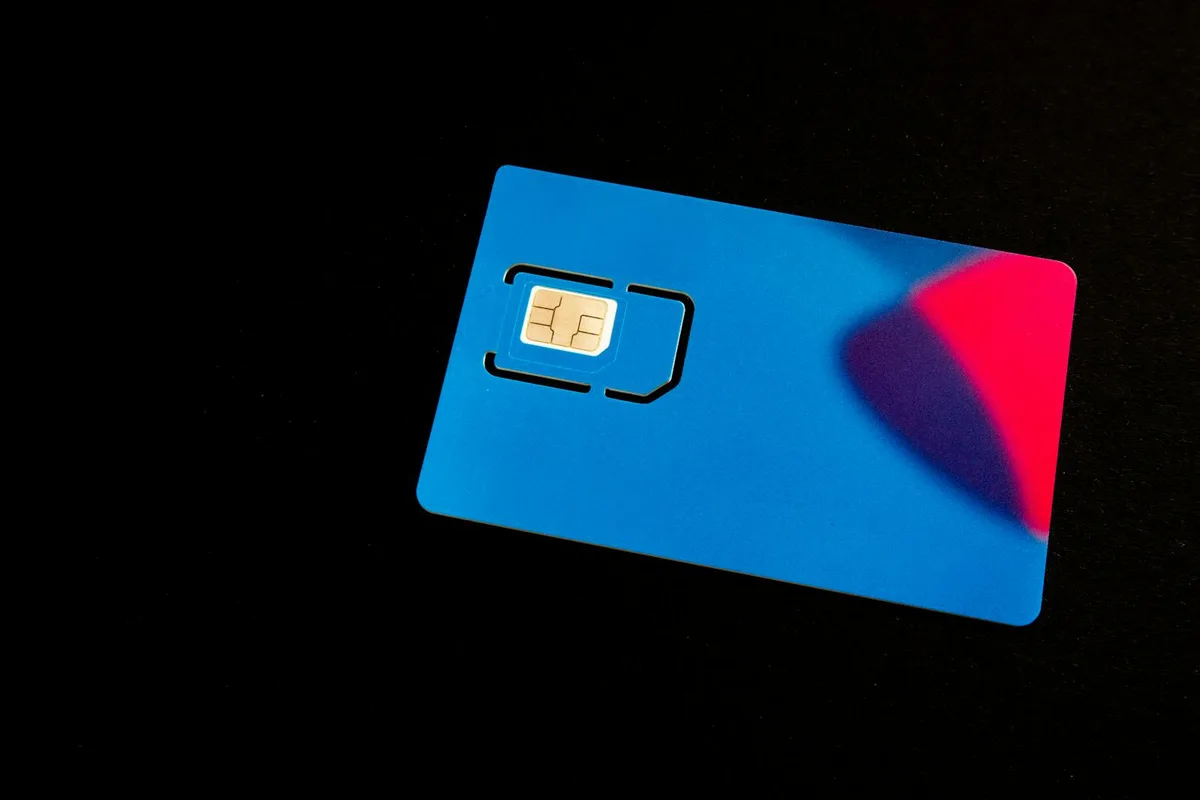
For heavy data users (remote workers, for example), dedicated data-only SIM cards are available from all operators at slightly lower prices than voice+data plans. MTS and MegaFon both offer plans with 50-100 GB of data for 600-1000 RUB/month.
Portable Wi-Fi hotspot devices (pocket Wi-Fi) can be rented in Moscow and Saint Petersburg, though this market has shrunk since the pandemic. Expect to pay 300-500 RUB/day for a device with unlimited data.
Special Considerations for Different Traveller Types
Short-Stay Tourists (1-2 Weeks)
Buy a prepaid SIM card at the airport or at an operator's shop in the city. A 30 GB plan for 400-600 RUB/month will be more data than you need. Bring cash in rubles for the purchase. Total cost for two weeks of connectivity: under 600 RUB (about 6 EUR).
Business Travellers
If you make frequent calls to Russian numbers, choose a plan with generous voice minutes. MTS and Beeline both offer business-oriented plans with unlimited calls for 700-900 RUB/month. Ensure your VPN is configured for any sensitive business communications.
Expats and Long-Term Residents
Get a SNILS number as soon as possible to avoid potential SIM deactivation after 90 days. Consider opening a T-Bank account for the integrated eSIM option and easier top-up management. Choose MTS or MegaFon for the most reliable long-term coverage. A good plan costs 500-800 RUB/month.
For banking and financial matters, see our guide on banking in Russia for expats.
Travellers on the Trans-Siberian or Remote Routes
MTS offers the best coverage along the Trans-Siberian railway and in Siberian cities. Download offline maps before departing, as mobile coverage drops out in remote stretches between cities. Consider buying a second SIM from a different operator as backup — Tele2 uses Rostelecom's infrastructure, which sometimes has coverage where the others do not.
If you are heading to Lake Baikal, MTS and MegaFon provide the most reliable service around Listvyanka and Olkhon Island, though do not expect 4G speeds outside the main settlements.
Getting Around Moscow and Beyond
Once you have mobile connectivity sorted, navigating Russian cities becomes far more manageable. The Moscow transport system relies heavily on apps — the Troika card can be topped up via phone, and the Yandex Go taxi app requires a Russian number for registration. Mobile data is your gateway to getting around efficiently.
Troubleshooting Common Issues
SIM card not activating: Wait up to two hours after purchase. If still inactive, return to the shop. The Gosuslugi verification can occasionally take time to process.
Data working but no calls/SMS: Check that your phone's APN settings match the operator's requirements. Staff at the shop should configure this during purchase, but sometimes the settings do not save correctly. Each operator publishes APN settings on their website.
SIM deactivated unexpectedly: This usually means the Gosuslugi re-verification was triggered and your data did not pass. Return to an operator shop with your passport and migration card to re-register.
No signal outside cities: Switch your phone from "4G only" to "3G/4G auto" in network settings. 3G coverage extends much further than 4G in rural Russia.
Cannot receive SMS verification codes: Some Russian services send codes from short numbers that may be blocked if your phone has a spam filter enabled. Disable SMS filtering temporarily if you are not receiving expected codes.
Key Takeaways
Getting a SIM card in Russia in 2026 requires more paperwork and patience than it did a few years ago, but the end result — reliable, fast, and extraordinarily cheap mobile internet — makes the effort worthwhile. Budget 400 to 600 RUB per month for a plan that would cost five to ten times as much in Western Europe or North America. Buy from a branded operator shop, bring your passport and migration card, and allow up to an hour for the registration process. Install a VPN before you arrive, and download offline maps as backup. If you would rather skip the registration process and only need mobile data, set up a pre-departure eSIM such as Ovosim before you fly. With these steps covered, you will have no trouble staying connected across Russia's eleven time zones.