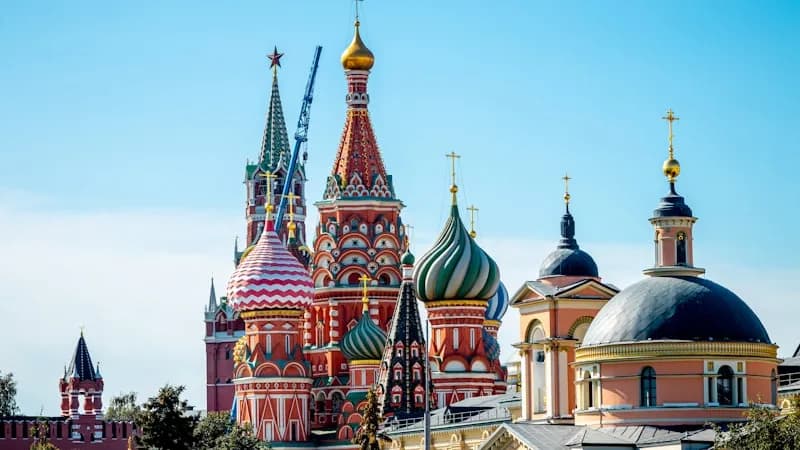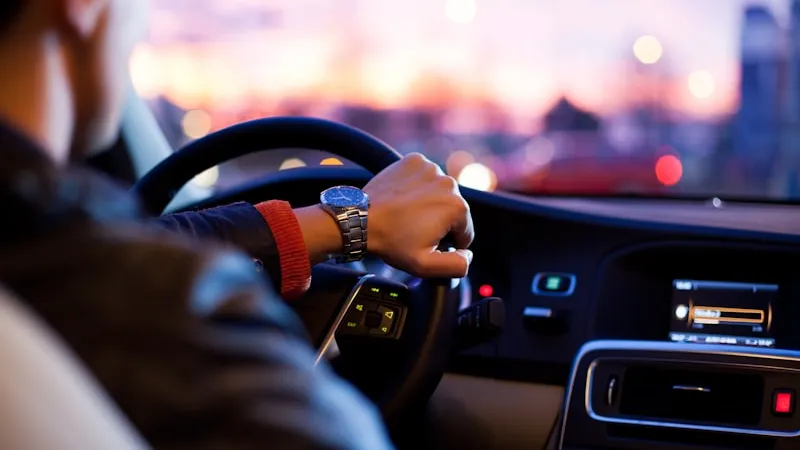
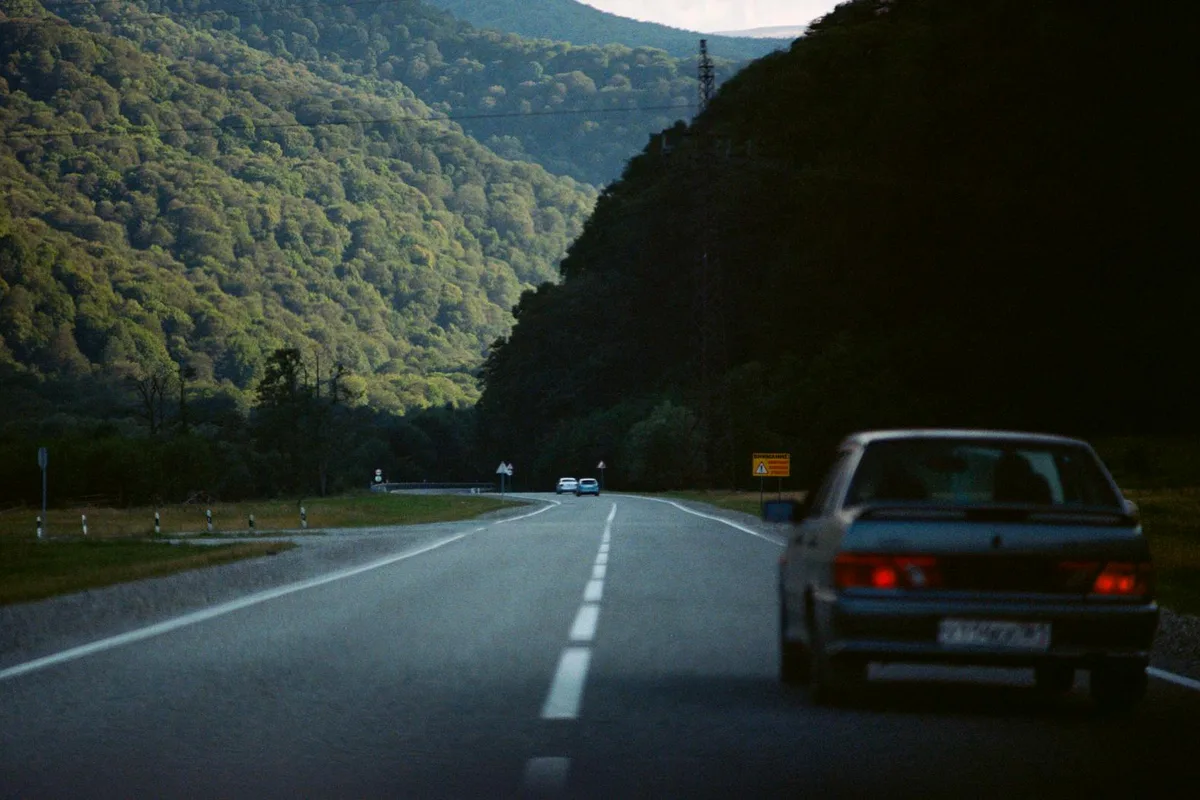
Russia is the largest country on Earth, stretching across eleven time zones from the Baltic exclave of Kaliningrad to the Pacific coast of Vladivostok. Exploring it by car offers a freedom and intimacy with the landscape that no other mode of transport can match. The distances are vast, the scenery ranges from birch forests to volcanic peninsulas, and the infrastructure, while imperfect, has improved considerably in recent years. Federal highways connecting major cities are now generally well-maintained, fuel is cheap by Western standards, and the network of roadside services continues to expand.
That said, driving in Russia is not without its challenges. The bureaucratic requirements — particularly around insurance and documentation — demand preparation. Road conditions outside the main corridors can deteriorate sharply, winter driving requires genuine skill and equipment, and the driving culture can feel aggressive to those accustomed to Northern European roads. This guide covers everything you need to know to drive legally, safely, and enjoyably in Russia in 2026.
Driving License Requirements
International Driving Permit
Foreign nationals may drive in Russia using their home-country driving license combined with an International Driving Permit (IDP). The IDP is essentially a standardised translation of your license into Russian (and other languages) and is recognised under the 1968 Vienna Convention on Road Traffic, to which Russia is a signatory.
Key points:
- Your IDP must be the 1968 Convention version (not the 1949 version, which some countries still issue)
- The IDP is valid only when accompanied by your original national driving license
- Both documents must be carried while driving
- The IDP is valid for the duration stated on it (typically one or three years), but only as long as your underlying national license remains valid
- You can obtain an IDP from your national automobile association (AAA in the US, AA/RAC in the UK, ADAC in Germany) for approximately 15-25 USD/EUR
Driving on a Foreign License Without an IDP
Technically, citizens of countries that signed the 1968 Vienna Convention can drive in Russia on their national license alone, provided the license conforms to the Convention's Annex 6 format (with Latin-script text or transliteration). In practice, Russian traffic police may not be familiar with foreign license formats, and having an IDP eliminates any ambiguity during a roadside check.
If your license is in a non-Latin script only (Chinese, Arabic, Japanese, etc.), an IDP or a certified Russian translation is mandatory.
Converting to a Russian License
If you plan to live in Russia for more than six months and continue driving, you should obtain a Russian driving license. This requires passing a theoretical exam (in Russian) and a practical driving test. Some bilateral agreements allow direct exchange without exams, but the list of qualifying countries is limited. Consult your local traffic police (GIBDD) office for current requirements.
Carry the 1968 Vienna Convention IDP alongside your national licence, not the 1949 version — the 1949 IDP is not valid in Russia, and police checkpoints now request the translated document as standard.
OSAGO: Mandatory Insurance
OSAGO (ОСАГО — Обязательное Страхование Автогражданской Ответственности) is Russia's compulsory third-party motor liability insurance. Every vehicle driven on Russian roads must have a valid OSAGO policy. This is non-negotiable — driving without OSAGO is illegal and carries fines, and in the event of an accident, the consequences are severe.
What OSAGO Covers
OSAGO covers damage you cause to other people or their property while driving. It does not cover damage to your own vehicle or injuries to yourself. The maximum payout limits are:
- 400,000 RUB (approximately 4,000 EUR) for property damage per incident
- 500,000 RUB (approximately 5,000 EUR) for personal injury per victim
These limits are relatively low by Western European standards, which is why many drivers also purchase KASKO (comprehensive) insurance for their own vehicle.
OSAGO Costs for Foreigners
The cost of an OSAGO policy depends on several factors: the vehicle's engine power, the driver's age and experience, the registration region, and the length of the policy. For a foreign driver with a standard passenger car, expect to pay:
- Short-term policy (1-3 months): 5,000-8,000 RUB (approximately 50-80 EUR)
- Six-month policy: 8,000-12,000 RUB (approximately 80-120 EUR)
- Annual policy: 10,000-15,000 RUB (approximately 100-150 EUR)
Policies can be purchased online through comparison sites like e-osago.ru or directly from major insurers (Ingosstrakh, Reso-Garantiya, AlfaStrakhovanie, Rosgosstrakh). You will need:
- Your passport (with Russian translation or IDP)
- Your driving license and IDP
- The vehicle's registration document (PTS or STS)
- A valid vehicle technical inspection certificate (Tekosmotr)
Rental Car Insurance
If you are renting a vehicle, OSAGO is included in the rental price by law. Most rental companies also offer supplementary collision damage waiver (CDW) and theft protection. Read the terms carefully — deductibles can be high (30,000-50,000 RUB), and some companies exclude coverage for gravel road damage or windscreen cracks.
Entering Russia by Car
Open Land Borders (2026)
As of early 2026, Russia's land borders are open for passenger vehicle crossings at numerous checkpoints. The most commonly used crossings for Western travellers include:
- Finland-Russia: Vaalimaa/Torfyanovka, Nuijamaa/Brusnitchnoye (though Finland-Russia border crossings have been subject to periodic closures since 2023 — check the current status before travel)
- Estonia-Russia: Narva/Ivangorod
- Latvia-Russia: Terehova/Burachki
- Georgia-Russia: Upper Lars/Verkhny Lars (Caucasus crossing, subject to weather closures in winter)
- Mongolia-Russia: Altanbulag/Kyakhta (for Trans-Siberian road trippers)
- China-Russia: Multiple crossings in the Far East
- Kazakhstan-Russia: Multiple crossings along the long shared border
Required documents at the border:
- Valid passport with Russian visa (or e-visa for eligible nationalities)
- Vehicle registration document
- Valid OSAGO insurance (or purchase at the border — some crossings have insurance offices)
- IDP and national driving license
- Green Card international insurance (accepted but not sufficient alone — OSAGO is still required within Russia)
Expect border crossings to take one to four hours depending on traffic and the efficiency of the checkpoint. The biometric registration system introduced for foreigners at Russian borders now includes fingerprinting and facial recognition at most major crossings.
Road Conditions and Infrastructure
Federal Highways
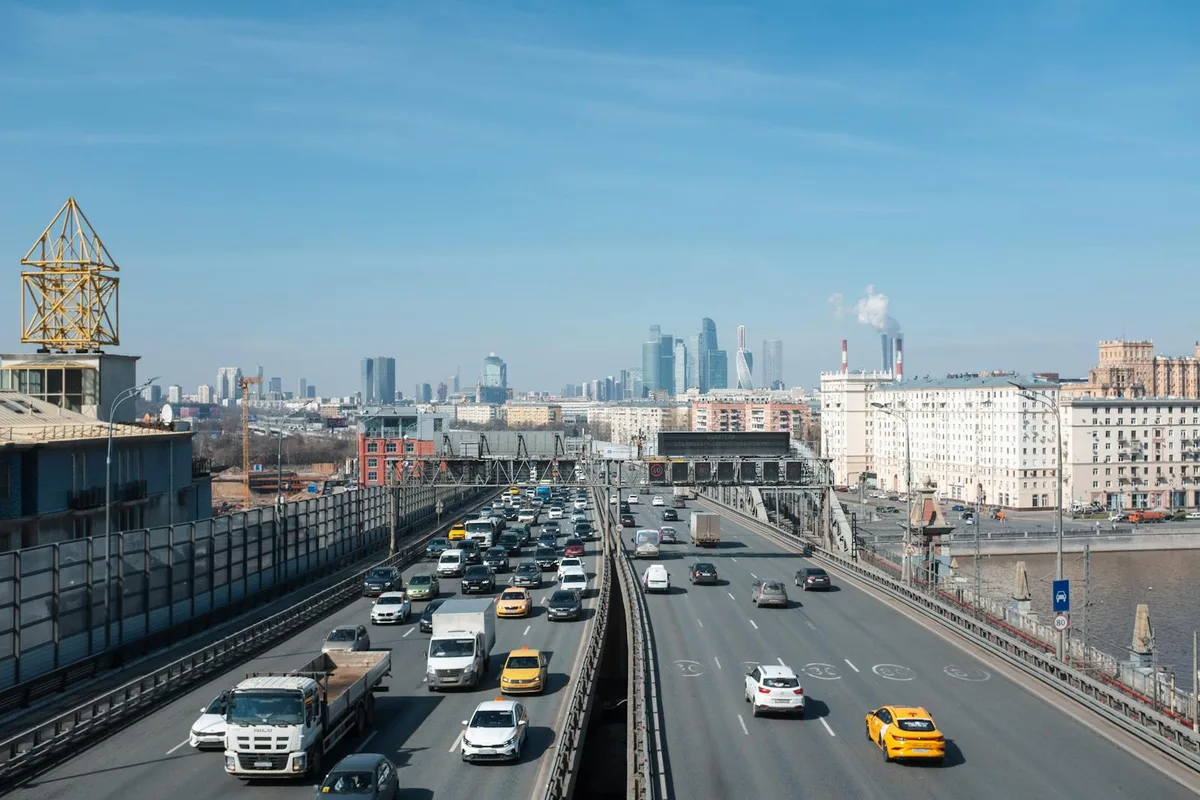
Russia's federal highway network has seen significant investment over the past decade. The M11 Neva motorway between Moscow and Saint Petersburg is a modern toll road (approximately 2,500 RUB for the full 700 km journey) with excellent surfaces and services. The M4 Don highway heading south to Krasnodar and the Black Sea coast is similarly well-maintained.
Major intercity routes are generally in good to acceptable condition, with dual carriageways near cities narrowing to two-lane roads in rural stretches. Road surfaces deteriorate noticeably after the spring thaw (March-April), when frost heave creates potholes that may not be repaired until summer.
Regional and Rural Roads
Once you leave the federal highway network, road quality varies enormously. Some regional roads are well-maintained asphalt; others are gravel or compacted dirt that becomes impassable mud during rain. In Siberia and the Russian Far East, unpaved roads are the norm outside cities. A vehicle with decent ground clearance is advisable for any route that ventures significantly off the main corridors.
Speed Limits
- Urban areas: 60 km/h (20 km/h in residential zones)
- Outside urban areas: 90 km/h
- Motorways: 110 km/h (130 km/h on some sections of the M11)
There is an unofficial enforcement threshold — fines are not issued for exceeding the limit by less than 20 km/h. This has created a culture where most drivers routinely travel 10-15 km/h above the posted limit. Be aware that speed cameras are widespread and increasingly automated.
Alcohol and Driving
Russia enforces a near-zero tolerance policy for alcohol while driving. The legal blood alcohol limit is 0.3 per mille (0.03%), which effectively means zero alcohol is permitted. Random breathalyser checks are common at police checkpoints, particularly on weekend evenings and holidays. Penalties include heavy fines (30,000 RUB) and license suspension for up to two years.
The legal BAC limit is 0.3 per mille (effectively zero), and speed cameras now blanket federal highways — a 30,000 RUB fine and licence suspension of up to two years follow any alcohol infraction.
Fuel Prices and Availability
Fuel in Russia is remarkably cheap by European standards, thanks to domestic production and government price controls.
Current prices (early 2026):
- AI-92 (regular): approximately 52-55 RUB/litre (about 0.55 EUR/litre)
- AI-95 (premium): approximately 55-60 RUB/litre (about 0.60 EUR/litre)
- AI-98 (super): approximately 65-70 RUB/litre (about 0.70 EUR/litre)
- Diesel: approximately 58-63 RUB/litre (about 0.63 EUR/litre)
Fuel stations are plentiful along federal highways and in cities. The major chains — Lukoil, Gazprom Neft, Rosneft, and Shell (now operating under a Russian entity) — maintain consistent quality standards. On remote roads in Siberia or the Far East, fill up whenever you can — the distance between stations can exceed 200-300 km.
Payment: Most stations accept cash and Russian bank cards. Foreign Visa and Mastercard do not work. Bring sufficient cash if you do not have a Russian bank card.
Navigation and Road Apps
Yandex Navigator is the essential driving app in Russia. It provides real-time traffic data, speed camera alerts, road condition reports from other users, and accurate routing that accounts for Russian road numbering conventions. Google Maps works but lacks the traffic accuracy and local detail that Yandex offers.
Download offline maps for your planned route before departure. Mobile coverage along highways is generally good but drops out on remote stretches, particularly in Siberia and the Urals.
2GIS is excellent for navigation within cities, with detailed building-level mapping and business information.
Popular Road Trips
Moscow to Saint Petersburg (700 km)
The M11 Neva motorway makes this a comfortable six to seven-hour drive on a modern toll road. Alternative routes via the older M10 highway pass through Novgorod and take eight to nine hours but are toll-free and more scenic. Moscow and Saint Petersburg deserve several days each.
The Golden Ring (600-800 km loop)
A circuit of ancient Russian cities northeast of Moscow, the Golden Ring is perhaps the ideal Russian road trip. Sergiev Posad, Suzdal, Vladimir, and Yaroslavl showcase Russian architecture and history at their finest. Roads are generally good, distances between cities are manageable (60-150 km), and accommodation is available in each town.
Moscow to the Black Sea Coast (1,500 km)
The M4 Don highway runs south through the agricultural heartland to Krasnodar and the Black Sea resorts. The drive takes 16-18 hours without stops (most people split it over two days). Sochi, Anapa, and Gelendzhik are the main coastal destinations.
Siberian Adventures
For the truly ambitious, the road from Moscow to Lake Baikal (approximately 5,500 km via Yekaterinburg and Novosibirsk) takes five to seven days of driving. The federal highway is paved throughout, though surfaces vary in quality east of the Urals. This route passes through some of the most dramatic landscape changes on Earth — from European Russia's gentle hills to the vast West Siberian Plain, across the Urals, and through the taiga forests of Eastern Siberia.
Practical Tips
- Dashcam: Install one. The majority of Russian drivers use dashcams, and the footage is invaluable in the event of an accident or dispute with traffic police.
- Winter tyres: Mandatory from December through February. Studded tyres are common and legal throughout winter. All-season tyres are not adequate for Russian winters.
- Documents: Keep originals of your passport, license, IDP, OSAGO policy, and vehicle registration in the car at all times. Traffic police can request them at any checkpoint.
- Roadside assistance: Russian auto clubs offer roadside assistance, but coverage outside major cities is limited. Carry basic tools, a spare tyre, and a warning triangle (legally required).
- Emergency number: 112 works nationwide from any mobile phone.
- Language: Traffic police rarely speak English. Having key phrases written in Russian (or a translation app ready) can help during interactions.
Renting a Car
Major Russian rental companies include Localrent, Rentmotors, and Car5. International companies that previously operated in Russia (Hertz, Avis) have largely withdrawn. Rental prices for a standard economy car start at approximately 2,500-3,500 RUB/day (25-35 EUR). For travel using Moscow's excellent public transport instead, you may not need a car in the capital at all.
Requirements for renting:
- Age 21+ (25+ for premium vehicles)
- Driving license held for at least two years
- International Driving Permit
- Passport
- Credit or debit card (Russian-issued; some companies accept cash deposits)
Key Takeaways
Driving in Russia is a rewarding way to explore the country, offering access to places that public transport cannot reach and a genuine sense of the scale and diversity of the Russian landscape. The bureaucratic requirements — an IDP, OSAGO insurance, and proper documentation — are manageable with preparation. Fuel is cheap, major highways are decent, and navigation apps make route-finding straightforward. Respect the speed limits, carry a dashcam, prepare for winter conditions if travelling in the cold months, and allow more time than you think you need. Russia is a country that rewards the unhurried traveller, and a road trip is one of the finest ways to experience it.